Life on Earth exists in an extraordinary variety of forms, ranging from microscopic organisms to large animals and towering plants. This immense variety of living organisms and their interactions with ecosystems is collectively known as biodiversity. Biodiversity is essential for maintaining ecological balance, supporting life processes, and ensuring the sustainability of natural resources.
In the study of Ecology and Environmental Science, biodiversity is considered one of the most important indicators of environmental health. A biologically diverse ecosystem tends to be more stable, productive, and resilient to environmental changes. Conversely, the loss of biodiversity can weaken ecosystems and threaten the survival of many species, including humans.
The modern concept of biodiversity gained global recognition through international efforts such as the Convention on Biological Diversity, which was adopted during the Earth Summit 1992 held in Rio de Janeiro. These initiatives highlighted the urgent need to conserve biological diversity and promote sustainable use of natural resources.
Meaning and Definition of Biodiversity
What is Biodiversity?
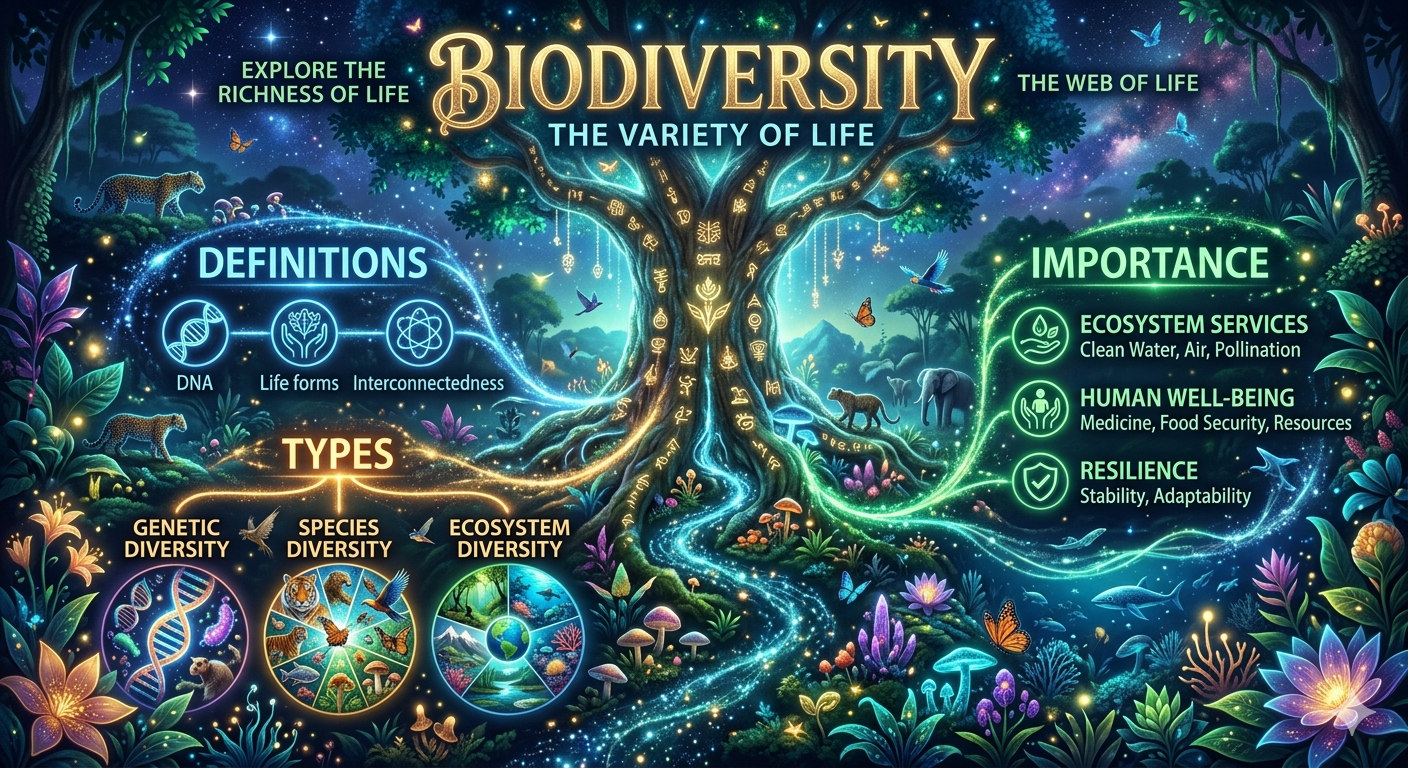
Biodiversity refers to the variety and variability of living organisms present on Earth. It includes differences among species, genetic variations within species, and the diversity of ecosystems in which these organisms live.
In simple terms, biodiversity represents the richness of life forms on our planet and the ecological relationships that connect them.
Different scholars and institutions have provided definitions of biodiversity. According to ecological studies, biodiversity encompasses:
- Diversity within species
- Diversity between species
- Diversity of ecosystems
Thus, biodiversity is not limited to the number of species but also includes genetic differences and ecological variations.
Key Characteristics of Biodiversity
Biodiversity has several defining characteristics that make it an essential component of natural systems.
1. Variety of Living Organisms
Biodiversity includes millions of species of plants, animals, fungi, and microorganisms that exist in different habitats.
2. Genetic Variation
Organisms within the same species possess genetic differences that help them adapt to environmental changes.
3. Ecological Diversity
Different ecosystems such as forests, deserts, oceans, wetlands, and grasslands contribute to biodiversity.
4. Interdependence of Species
Species are interconnected through ecological relationships such as food chains, food webs, and symbiotic associations.
5. Dynamic Nature
Biodiversity changes over time due to natural evolution, environmental changes, and human activities.
Types of Biodiversity
Biodiversity is commonly classified into three major types.
Genetic Diversity
Meaning
Genetic diversity refers to the variation in genes within a species. These genetic differences determine the physical characteristics, adaptability, and survival potential of organisms.
For example, different varieties of crops such as rice or wheat show genetic diversity in terms of size, color, resistance to diseases, and tolerance to climatic conditions.
Importance of Genetic Diversity
- Helps species adapt to environmental changes
- Increases resistance to diseases and pests
- Supports evolution and natural selection
- Improves agricultural productivity through crop breeding
Genetic diversity ensures the long-term survival of species by enabling them to respond to environmental pressures.
Species Diversity
Meaning
Species diversity refers to the variety of different species present in a particular region or ecosystem.
A species is a group of organisms capable of interbreeding and producing fertile offspring.
Species diversity includes two aspects:
- Species richness – the number of species in a region
- Species evenness – the relative abundance of each species
Examples
Tropical rainforests are known for extremely high species diversity because they support thousands of plant and animal species.
Ecosystem Diversity
Meaning
Ecosystem diversity refers to the variety of ecosystems present on Earth.
Each ecosystem consists of different communities of organisms interacting with their physical environment.
Examples of Ecosystems
- Forest ecosystems
- Grassland ecosystems
- Desert ecosystems
- Marine ecosystems
- Freshwater ecosystems
Different ecosystems support different species and ecological processes, thereby contributing to global biodiversity.
Importance of Biodiversity
Biodiversity is essential for the functioning of ecosystems and for the survival of human civilization. Its importance can be understood from ecological, economic, social, and cultural perspectives.
Ecological Importance of Biodiversity
Maintenance of Ecological Balance
Biodiversity helps maintain balance in ecosystems by regulating population sizes and supporting natural food chains.
Predators control herbivore populations, while plants provide food and oxygen for animals.
Stability of Ecosystems
A diverse ecosystem is more stable and resilient to disturbances such as natural disasters, climate change, and disease outbreaks.
For example, forests with diverse species can recover more quickly after environmental disturbances.
Nutrient Cycling
Biodiversity plays a crucial role in the cycling of nutrients such as carbon, nitrogen, and phosphorus.
Microorganisms, plants, and animals participate in processes like decomposition and nutrient recycling.
Pollination
Many plants depend on insects, birds, and other animals for pollination.
Pollinators such as bees and butterflies ensure the reproduction of flowering plants and agricultural crops.
Soil Formation and Fertility
Organisms such as earthworms, bacteria, and fungi contribute to soil formation and maintain soil fertility by decomposing organic matter.
Economic Importance of Biodiversity
Biodiversity provides numerous economic benefits to human society.
Source of Food
Many plants and animals serve as food for humans. Agricultural crops, livestock, fish, fruits, and vegetables are all products of biodiversity.
Examples include:
- Rice and wheat
- Fruits such as mango and apple
- Fish and seafood
Raw Materials for Industries
Biodiversity provides raw materials used in various industries.
Examples include:
- Timber for construction
- Cotton and jute for textiles
- Rubber for manufacturing
Medicines and Pharmaceuticals
Many medicines are derived from plants, animals, and microorganisms.
Examples include:
- Medicinal plants used in traditional medicine
- Antibiotics produced by bacteria
- Compounds derived from plants used in modern pharmaceuticals
Biodiversity serves as a valuable resource for discovering new drugs.
Tourism and Recreation
Natural landscapes rich in biodiversity attract tourists from around the world.
Wildlife tourism, national parks, and nature reserves contribute significantly to economic development.
Environmental Importance of Biodiversity
Climate Regulation
Forests and oceans play an important role in regulating global climate by absorbing carbon dioxide.
This helps reduce the impact of climate change.
Water Purification
Wetlands, forests, and aquatic ecosystems filter pollutants and maintain water quality.
They act as natural purification systems.
Disaster Protection
Mangrove forests and coastal vegetation protect shorelines from storms, cyclones, and erosion.
Similarly, forests reduce the risk of landslides and floods.
Social and Cultural Importance of Biodiversity
Biodiversity also holds significant social and cultural value.
Cultural Heritage
Many cultures have strong connections with nature and wildlife. Traditional practices and beliefs often emphasize the protection of plants and animals.
Spiritual and Religious Significance
Certain plants and animals are considered sacred in many societies.
For example:
- Sacred groves in India
- Reverence for certain animals and trees in cultural traditions
Educational and Scientific Value
Biodiversity provides opportunities for scientific research, environmental education, and ecological studies.
Threats to Biodiversity
Despite its importance, biodiversity is under severe threat due to human activities.
Habitat Destruction
Deforestation, urbanization, and agricultural expansion destroy natural habitats and reduce species populations.
Pollution
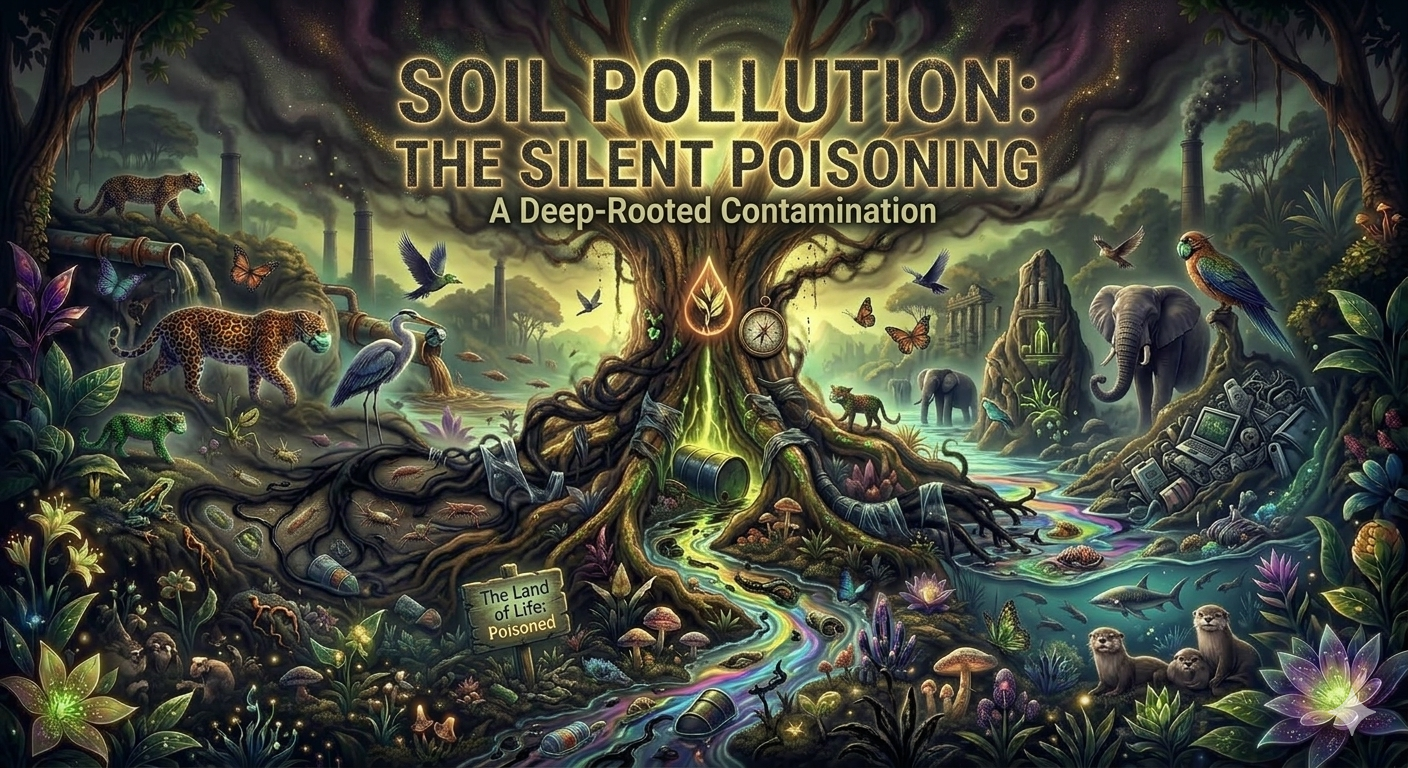
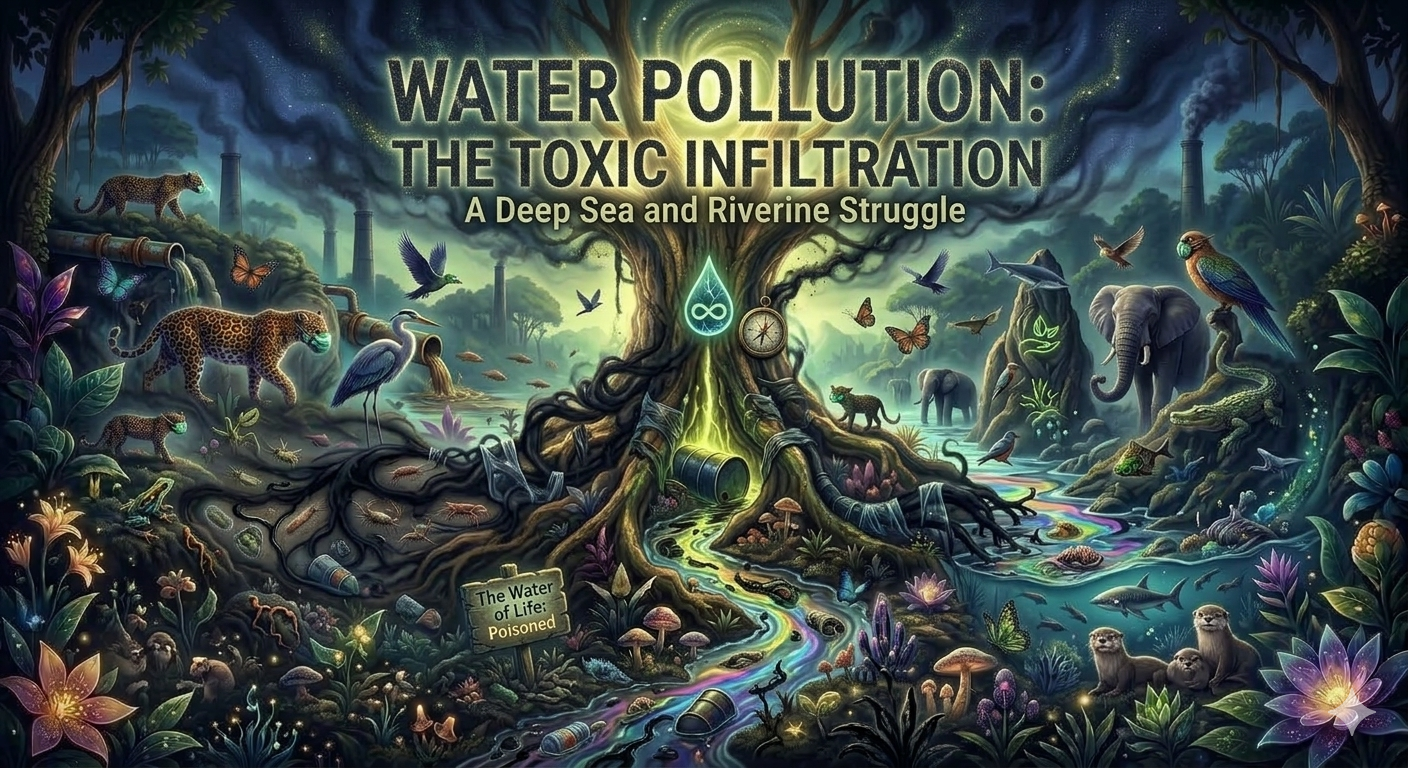
Air, water, and soil pollution harm plants, animals, and microorganisms.
Climate Change
Global warming and changing weather patterns disrupt ecosystems and threaten species survival.
Overexploitation of Resources
Excessive hunting, fishing, and harvesting of plants lead to the depletion of natural resources.
Invasive Species
Non-native species introduced into ecosystems can outcompete native species and disrupt ecological balance.
Biodiversity Conservation
Conservation efforts are necessary to protect biodiversity and ensure sustainable development.
In-situ Conservation
In-situ conservation involves protecting species within their natural habitats.
Examples include:
- National parks
- Wildlife sanctuaries
- Biosphere reserves
Ex-situ Conservation
Ex-situ conservation involves protecting species outside their natural habitats.
Examples include:
- Botanical gardens
- Zoos
- Seed banks
Sustainable Use of Resources
Natural resources should be used responsibly to prevent depletion and environmental degradation.
Environmental Awareness and Education
Public awareness programs encourage people to participate in biodiversity conservation.
Education plays a crucial role in promoting environmental responsibility.
Role of International Efforts in Biodiversity Conservation
Global cooperation is essential for biodiversity conservation.
Important international initiatives include:
- Convention on Biological Diversity
- International Union for Conservation of Nature
These organizations work to protect endangered species and promote sustainable environmental policies worldwide.
Conclusion
Biodiversity represents the richness and variety of life on Earth, including the diversity of genes, species, and ecosystems. It forms the foundation of ecological balance and supports essential life processes such as food production, climate regulation, nutrient cycling, and ecosystem stability.
The importance of biodiversity extends beyond ecological benefits to economic, social, and cultural dimensions. Human societies depend heavily on biodiversity for food, medicine, raw materials, and environmental services.
However, increasing human activities such as deforestation, pollution, climate change, and overexploitation of natural resources have placed biodiversity under serious threat. Protecting biodiversity requires coordinated efforts at local, national, and global levels.
Through conservation measures, sustainable development practices, and environmental awareness, it is possible to preserve biodiversity for future generations. Maintaining biological diversity is not only necessary for protecting nature but also essential for ensuring the long-term survival and well-being of humanity.