Introduction
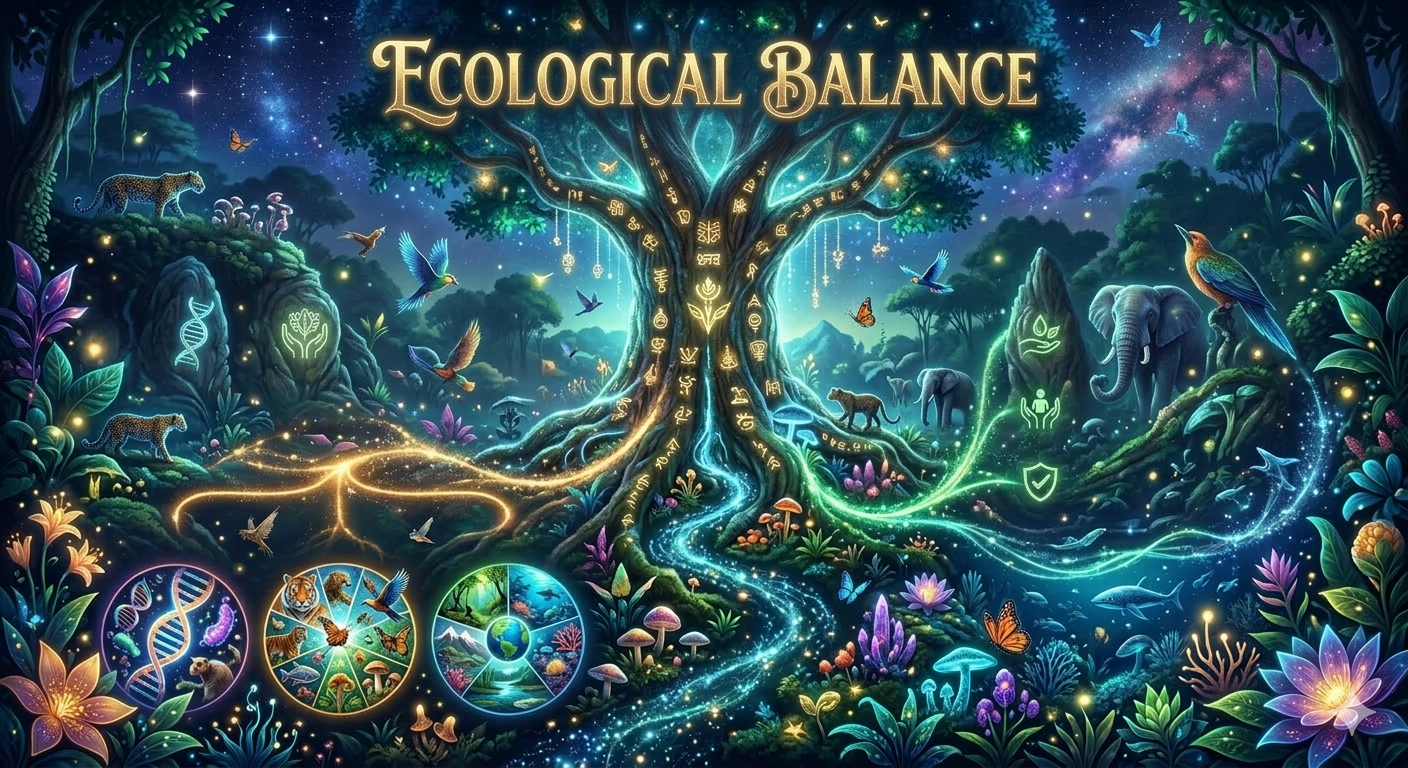
Nature operates through a complex network of relationships among living organisms and their physical environment. These relationships ensure that ecosystems function smoothly and life continues to flourish on Earth. One of the most important principles that maintains the stability of natural systems is ecological balance.
Ecological balance refers to the stability and harmony between living organisms and their environment. When ecosystems maintain equilibrium among different species, resources, and environmental factors, they remain healthy and productive. However, when this balance is disturbed due to natural disasters or human activities, ecosystems can become unstable.
In the field of Ecology and Environmental Science, ecological balance is considered essential for sustaining biodiversity, regulating climate, and maintaining life-supporting systems. Understanding ecological balance is therefore crucial for environmental protection and sustainable development.
Meaning and Definition of Ecological Balance
What is Ecological Balance?
Ecological balance refers to a state of equilibrium within an ecosystem where living organisms and their physical environment coexist in a stable and sustainable relationship. In such a condition, the populations of plants, animals, and microorganisms remain relatively stable, and natural processes such as nutrient cycling and energy flow operate efficiently.
In simple terms, ecological balance is the natural stability of ecosystems that allows them to function properly without excessive disturbances.
This balance is maintained through interactions among different components of the environment, including biotic factors such as plants and animals, and abiotic factors such as water, soil, air, and climate.
Characteristics of Ecological Balance
Ecological balance possesses several key features that help maintain environmental stability.
1. Stability of Ecosystems
Ecological balance ensures that ecosystems remain stable despite minor environmental changes. Species populations fluctuate within limits but do not collapse.
2. Interdependence of Organisms
All organisms depend on each other either directly or indirectly. For example, plants provide food and oxygen, while animals help in pollination and seed dispersal.
3. Natural Regulation of Populations
Predator-prey relationships regulate the population sizes of species and prevent overpopulation.
4. Continuous Energy Flow
Energy flows continuously from the Sun to producers and then to consumers and decomposers through food chains.
5. Nutrient Recycling
Ecological balance ensures that nutrients are continuously recycled through natural processes such as decomposition.
Components Responsible for Ecological Balance
Several ecological components work together to maintain balance in nature.
Producers
Role of Producers
Producers are organisms that create food using sunlight through photosynthesis. They form the foundation of ecosystems because they supply energy to all other organisms.
Examples include:
- Green plants
- Algae
- Phytoplankton
These organisms convert solar energy into chemical energy, which supports the entire food chain.
Consumers
Role of Consumers
Consumers are organisms that depend on other organisms for food. They are divided into several categories such as herbivores, carnivores, and omnivores.
Examples include:
- Herbivores such as deer and rabbits
- Carnivores such as lions and wolves
- Omnivores such as humans and bears
Consumers regulate population sizes and maintain ecological balance through predator-prey relationships.
Decomposers
Role of Decomposers
Decomposers break down dead organisms and organic matter into simpler substances.
Examples include:
- Bacteria
- Fungi
They recycle nutrients back into the soil, making them available for plants again. Without decomposers, nutrients would remain locked in dead matter.
Abiotic Factors
Abiotic factors such as sunlight, temperature, water, soil, and air create environmental conditions necessary for life. These physical factors influence species distribution, population growth, and ecosystem productivity.
Mechanisms that Maintain Ecological Balance
Ecological balance is maintained through several natural processes.
Food Chains and Food Webs
Food chains represent the transfer of energy from one organism to another. A typical food chain begins with producers and ends with top predators.
Example:
Plants → Grasshopper → Frog → Snake → Eagle
In reality, organisms are connected through complex networks called food webs, which stabilize ecosystems.
Nutrient Cycling
Nutrients such as carbon, nitrogen, and phosphorus circulate continuously through ecosystems.
Important nutrient cycles include:
- Carbon cycle
- Nitrogen cycle
- Water cycle
These cycles ensure the availability of essential nutrients for living organisms.
Population Control
Predator-prey relationships regulate species populations. If herbivores increase excessively, plant populations decrease, which eventually reduces herbivore numbers.
This natural regulation helps maintain equilibrium.
Natural Succession
Ecological succession refers to the gradual replacement of species in an ecosystem over time. Through succession, ecosystems recover from disturbances and restore balance.
Importance of Ecological Balance
Ecological balance is vital for maintaining environmental stability and supporting life on Earth.
Preservation of Biodiversity
Ecological balance supports the survival of diverse plant and animal species. Balanced ecosystems provide habitats, food sources, and favorable conditions for different organisms.
This helps preserve biodiversity and maintain genetic diversity among species.
Stability of Ecosystems
Balanced ecosystems are more stable and resilient to environmental disturbances such as storms, droughts, and diseases.
For example, diverse forests can recover more quickly after natural disasters.
Regulation of Climate
Healthy ecosystems regulate climate by controlling atmospheric gases and maintaining temperature balance.
Forests absorb carbon dioxide and release oxygen, helping reduce global warming.
Maintenance of Food Chains
Ecological balance ensures the smooth functioning of food chains and food webs.
If one species disappears, it can disrupt the entire food chain and affect multiple organisms.
Soil Fertility and Nutrient Recycling
Ecological balance helps maintain soil fertility through decomposition and nutrient recycling.
Microorganisms break down organic matter and release nutrients back into the soil.
Water Purification
Wetlands and forests naturally filter pollutants and maintain water quality.
These ecosystems act as natural purification systems.
Disaster Prevention
Healthy ecosystems reduce the impact of natural disasters.
For example:
- Mangrove forests protect coastal regions from storms and tsunamis
- Forest vegetation prevents soil erosion and landslides
Factors that Disturb Ecological Balance
Several natural and human-induced factors can disrupt ecological balance.
Deforestation
Large-scale removal of forests destroys habitats and reduces biodiversity.
It also contributes to soil erosion and climate change.
Pollution
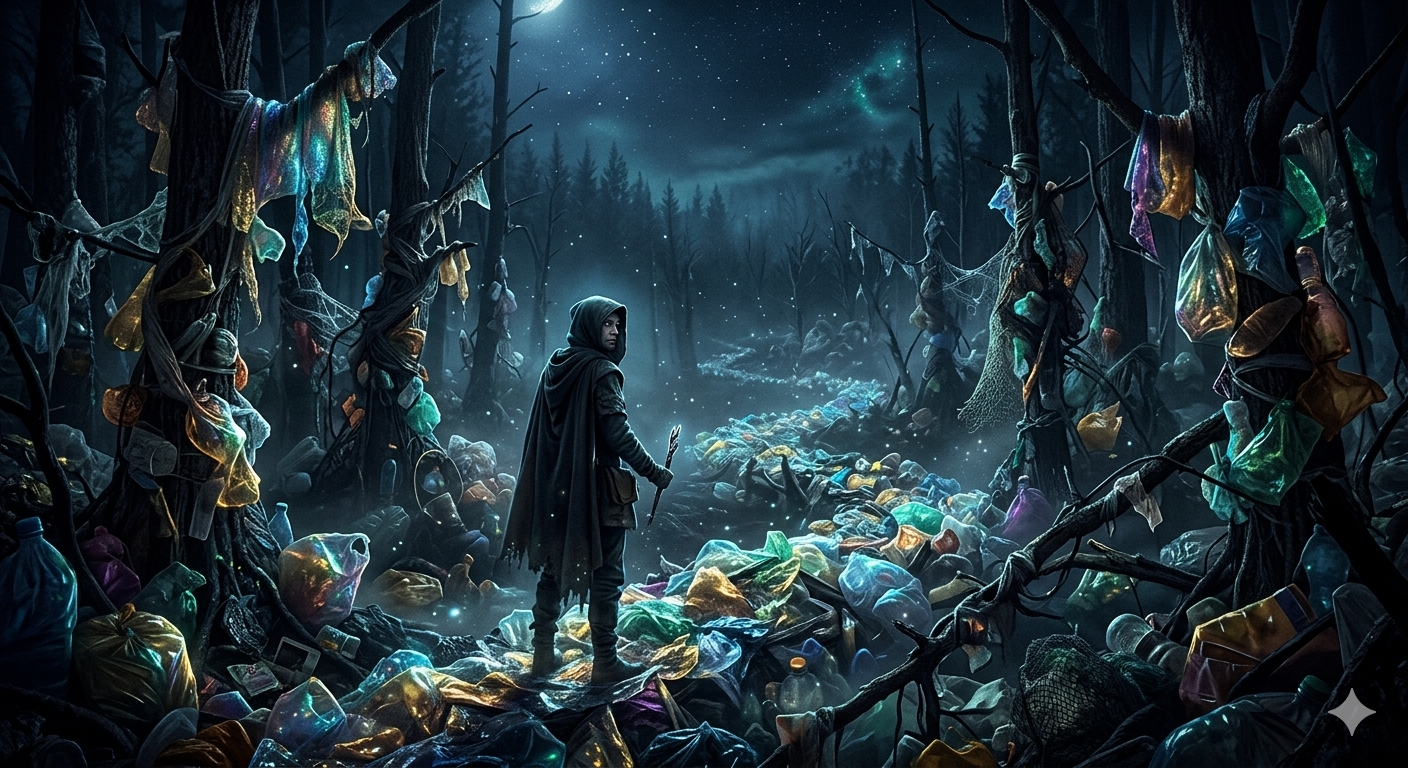
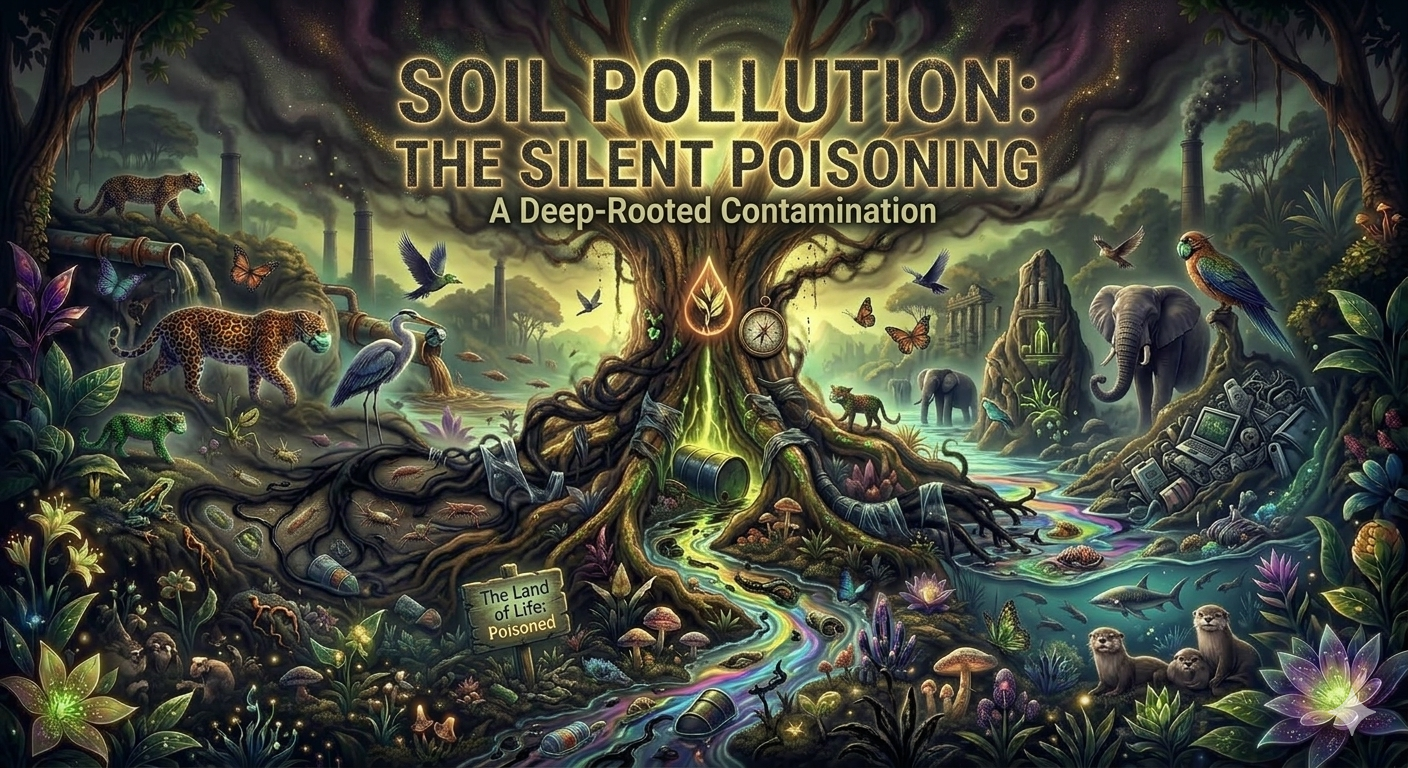
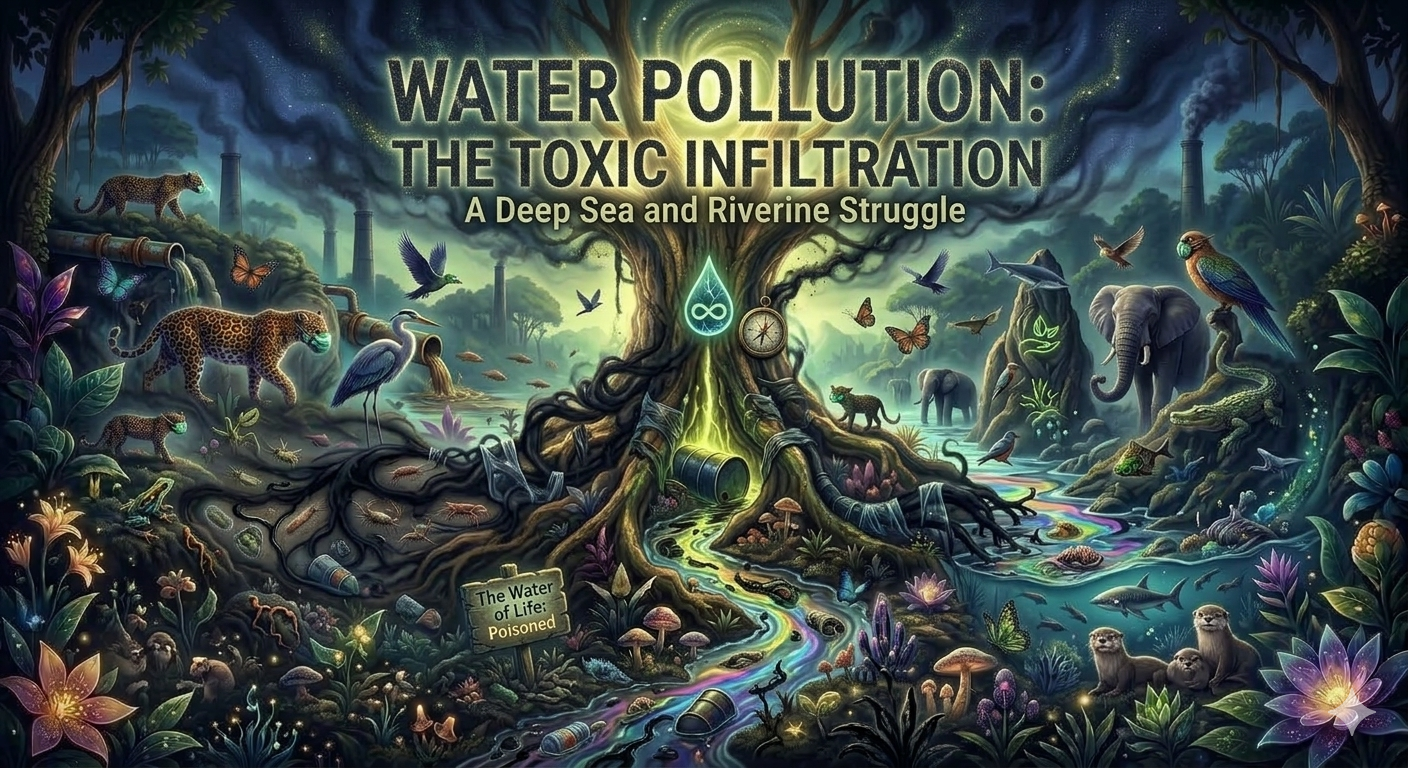
Air, water, and soil pollution harm plants, animals, and microorganisms, leading to ecosystem degradation.
Climate Change
Global warming alters temperature and rainfall patterns, affecting species survival and ecosystem stability.
Overexploitation of Natural Resources
Excessive hunting, fishing, and harvesting of plants can reduce species populations and disturb ecological relationships.
Introduction of Invasive Species
Non-native species introduced into ecosystems can outcompete native species and disrupt ecological balance.
Role of Humans in Maintaining Ecological Balance
Humans play a crucial role in protecting ecosystems and maintaining environmental stability.
Sustainable Resource Management
Natural resources should be used responsibly to prevent depletion and environmental damage.
Conservation of Biodiversity
Establishing national parks, wildlife sanctuaries, and protected areas helps conserve ecosystems.
Pollution Control
Reducing pollution through proper waste management and cleaner technologies protects environmental quality.
Environmental Education and Awareness
Public awareness programs encourage individuals and communities to adopt environmentally responsible practices.
Afforestation and Reforestation
Planting trees and restoring degraded forests helps rebuild ecosystems and maintain ecological balance.
Global Efforts to Protect Ecological Balance
Several international initiatives aim to protect ecosystems and biodiversity.
One important global agreement is the Convention on Biological Diversity, which encourages countries to conserve biodiversity and use natural resources sustainably.
Organizations such as the United Nations Environment Programme work to promote environmental protection and sustainable development worldwide.
Conclusion
Ecological balance is the foundation of a healthy and sustainable environment. It represents the harmonious interaction between living organisms and their physical surroundings, ensuring that ecosystems remain stable and productive.
Through processes such as food chains, nutrient cycling, and population regulation, ecological balance maintains biodiversity and supports life on Earth. However, increasing human activities such as deforestation, pollution, climate change, and overexploitation of resources have severely disturbed this delicate balance.
Protecting ecological balance requires collective efforts from governments, communities, and individuals. Conservation of biodiversity, sustainable use of natural resources, pollution control, and environmental education are essential steps toward maintaining environmental stability.
Ultimately, preserving ecological balance is not only necessary for protecting nature but also crucial for ensuring the survival, health, and well-being of future generations.