Introduction
The concept of an ecosystem is one of the most fundamental ideas in the field of Ecology. It helps scientists and environmentalists understand how living organisms interact with each other and with their physical environment. Every organism on Earth—whether a plant, animal, or microorganism—exists within a system of relationships that influence its survival and growth. These relationships form complex networks of energy flow, nutrient cycling, and environmental balance.
An ecosystem can be found everywhere on Earth, from forests and deserts to oceans and even small ponds. It includes both living organisms and non-living elements that function together as a unit. The concept of ecosystem was formally introduced by Arthur Tansley in 1935 to explain how organisms and their environment form an integrated system.
Understanding ecosystems is essential for environmental conservation, sustainable development, and maintaining biodiversity. Human activities such as deforestation, pollution, and climate change can disrupt ecosystem balance, making it important to study how ecosystems function and what components sustain them.
Meaning and Definition of Ecosystem
What is an Ecosystem?
An ecosystem refers to a natural system in which living organisms interact with each other and with their physical environment. These interactions involve the transfer of energy, circulation of nutrients, and ecological relationships such as predation, competition, and cooperation.
In simple terms, an ecosystem is a community of living organisms together with the non-living elements of their environment functioning as a single unit.
Various scholars have defined ecosystems in different ways:
- According to Arthur Tansley, an ecosystem is a system formed by the interaction of living organisms with their physical environment.
- According to ecological science, it is a structural and functional unit of nature that includes both biotic and abiotic components.
These components interact continuously to maintain ecological balance.
Characteristics of an Ecosystem
Before discussing the components, it is important to understand the basic characteristics of ecosystems.
1. Interaction Between Living and Non-living Components
One of the defining features of an ecosystem is the interaction between living organisms and non-living environmental factors such as soil, water, sunlight, and air.
2. Energy Flow
Energy flows through the ecosystem mainly from the Sun to plants and then to animals. This energy transfer occurs through food chains and food webs.
3. Nutrient Cycling
Essential nutrients such as carbon, nitrogen, and phosphorus circulate continuously between organisms and their environment.
4. Self-regulating System
Ecosystems have natural mechanisms that help maintain balance. For example, predator-prey relationships regulate population sizes.
5. Dynamic Nature
Ecosystems are not static; they constantly change due to natural processes and human influences.
Types of Ecosystems
Ecosystems can be classified into several categories based on their size, location, and characteristics.
1. Terrestrial Ecosystems
These ecosystems exist on land. Examples include:
- Forest ecosystems
- Grassland ecosystems
- Desert ecosystems
- Mountain ecosystems
Each of these has unique climate conditions, vegetation, and animal life.
2. Aquatic Ecosystems
Aquatic ecosystems occur in water bodies and include:
- Freshwater ecosystems such as lakes, ponds, and rivers
- Marine ecosystems such as seas and oceans
These ecosystems support a wide range of aquatic plants, fish, and microorganisms.
3. Natural Ecosystems
Natural ecosystems develop without human intervention. Examples include tropical forests and coral reefs.
4. Artificial Ecosystems
Artificial ecosystems are created and maintained by humans, such as agricultural fields, gardens, and aquariums.
Main Components of an Ecosystem
An ecosystem consists of two broad categories of components:
- Abiotic Components (Non-living components)
- Biotic Components (Living components)
Both components interact closely to maintain ecological balance.
Abiotic Components of Ecosystem
Meaning of Abiotic Components
Abiotic components are the non-living physical and chemical elements of an ecosystem that influence living organisms. These elements determine the conditions in which organisms live and grow.
Abiotic factors shape the structure and productivity of ecosystems.
Major Abiotic Components
1. Sunlight
Sunlight is the primary source of energy for most ecosystems.
Plants use sunlight to perform photosynthesis, a process through which they convert solar energy into chemical energy. This energy supports all other organisms in the ecosystem.
Without sunlight, most ecosystems would not be able to sustain life.
2. Temperature
Temperature affects the metabolic activities of organisms.
Different species have specific temperature ranges within which they can survive. For example:
- Polar organisms survive in extremely cold conditions.
- Desert organisms adapt to high temperatures.
Temperature also influences plant growth, reproduction, and species distribution.
3. Water
Water is an essential element for all living organisms.
It performs several important functions:
- Acts as a solvent for nutrients
- Regulates body temperature
- Supports physiological processes
Aquatic ecosystems are entirely dependent on water, while terrestrial ecosystems also rely heavily on rainfall and moisture.
4. Soil
Soil is an important abiotic component, especially in terrestrial ecosystems.
It provides:
- Nutrients for plants
- Anchoring support for roots
- Habitat for microorganisms
Soil composition varies in terms of minerals, organic matter, and moisture content.
5. Air and Atmospheric Gases
Air contains several gases essential for life, including:
- Oxygen for respiration
- Carbon dioxide for photosynthesis
- Nitrogen for plant nutrition
The balance of these gases plays a critical role in ecosystem functioning.
6. Nutrients and Minerals
Nutrients such as nitrogen, phosphorus, potassium, calcium, and magnesium are necessary for plant growth.
These nutrients circulate through the ecosystem via biogeochemical cycles.
For example:
- Carbon cycle
- Nitrogen cycle
- Phosphorus cycle
7. Topography
Topography refers to the physical features of the land such as mountains, valleys, and slopes.
It influences:
- Climate conditions
- Water drainage
- Soil formation
- Distribution of organisms
Biotic Components of Ecosystem
Meaning of Biotic Components
Biotic components include all living organisms present in an ecosystem. These organisms interact with each other and with the abiotic environment to form ecological communities.
Biotic components are generally classified into three major groups based on their role in energy flow.
Major Biotic Components
1. Producers (Autotrophs)
Producers are organisms that produce their own food through photosynthesis.
Examples include:
- Green plants
- Algae
- Phytoplankton
These organisms capture solar energy and convert it into chemical energy stored in food molecules.
Producers form the foundation of all food chains because they supply energy to other organisms.
2. Consumers (Heterotrophs)
Consumers are organisms that cannot produce their own food and depend on other organisms for nutrition.
They are divided into different categories.
Primary Consumers
Primary consumers are herbivores that feed directly on plants.
Examples include:
- Deer
- Rabbits
- Grasshoppers
- Cows
They convert plant energy into animal biomass.
Secondary Consumers
Secondary consumers feed on primary consumers.
Examples include:
- Frogs
- Small birds
- Lizards
They play an important role in controlling herbivore populations.
Tertiary Consumers
Tertiary consumers are higher-level predators that feed on secondary consumers.
Examples include:
- Snakes
- Hawks
- Foxes
These predators maintain ecological balance by regulating lower trophic levels.
Omnivores
Omnivores consume both plants and animals.
Examples include:
- Humans
- Bears
- Some birds
Omnivores occupy multiple positions in food chains.
3. Decomposers
Decomposers break down dead plants, animals, and organic matter into simpler substances.
Examples include:
- Bacteria
- Fungi
They play a crucial role in nutrient recycling by returning minerals to the soil.
Without decomposers, dead organic matter would accumulate and nutrients would not be reused.
4. Detritivores
Detritivores feed on dead organic matter known as detritus.
Examples include:
- Earthworms
- Termites
- Some insects
They help in the fragmentation and decomposition of organic material.
Interaction Between Ecosystem Components
The components of an ecosystem interact in various ways.
1. Food Chains
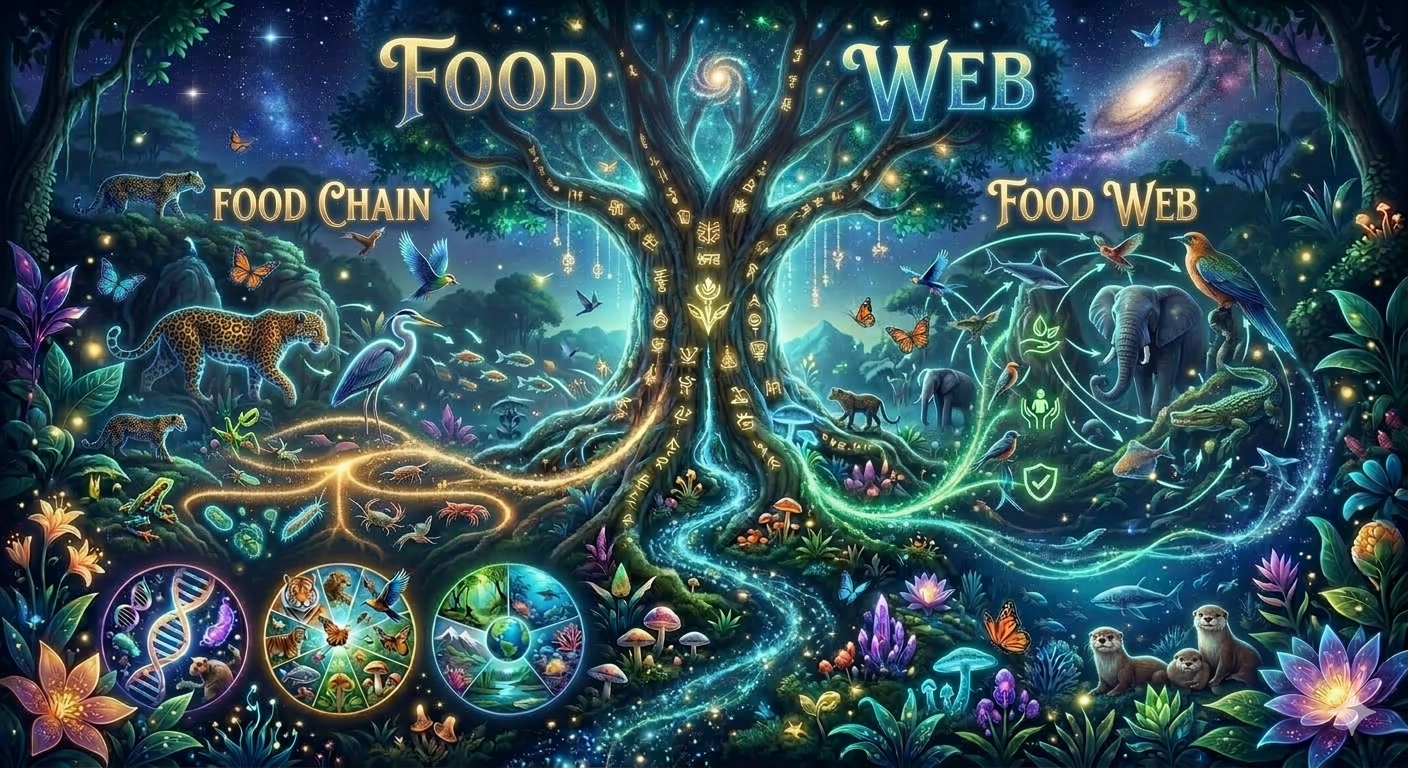
A food chain represents the sequence of energy transfer from one organism to another.
Example:
Plants → Grasshopper → Frog → Snake → Hawk
Each step represents a trophic level.
2. Food Webs
In reality, organisms are connected through complex networks called food webs.
Food webs show multiple feeding relationships within ecosystems.
3. Energy Flow
Energy flows through ecosystems in a unidirectional manner:
Sun → Producers → Consumers → Decomposers
Energy gradually decreases at each trophic level due to heat loss.
4. Nutrient Cycling
Ecosystems maintain balance through nutrient cycles.
Important cycles include:
- Carbon cycle
- Nitrogen cycle
- Water cycle
These cycles ensure the continuous availability of essential elements.
Importance of Ecosystems
Ecosystems provide numerous benefits to humans and other organisms.
1. Maintenance of Biodiversity
Ecosystems support diverse species of plants, animals, and microorganisms.
2. Climate Regulation
Forests and oceans regulate global climate by absorbing carbon dioxide.
3. Soil Formation and Fertility
Ecosystems contribute to soil formation and maintain soil fertility.
4. Water Purification
Wetlands and forests naturally filter pollutants from water.
5. Food and Resources
Ecosystems provide food, medicines, timber, and other resources.
Threats to Ecosystems
Modern human activities are causing serious threats to ecosystems.
1. Deforestation
Large-scale forest destruction leads to loss of biodiversity and habitat.
2. Pollution
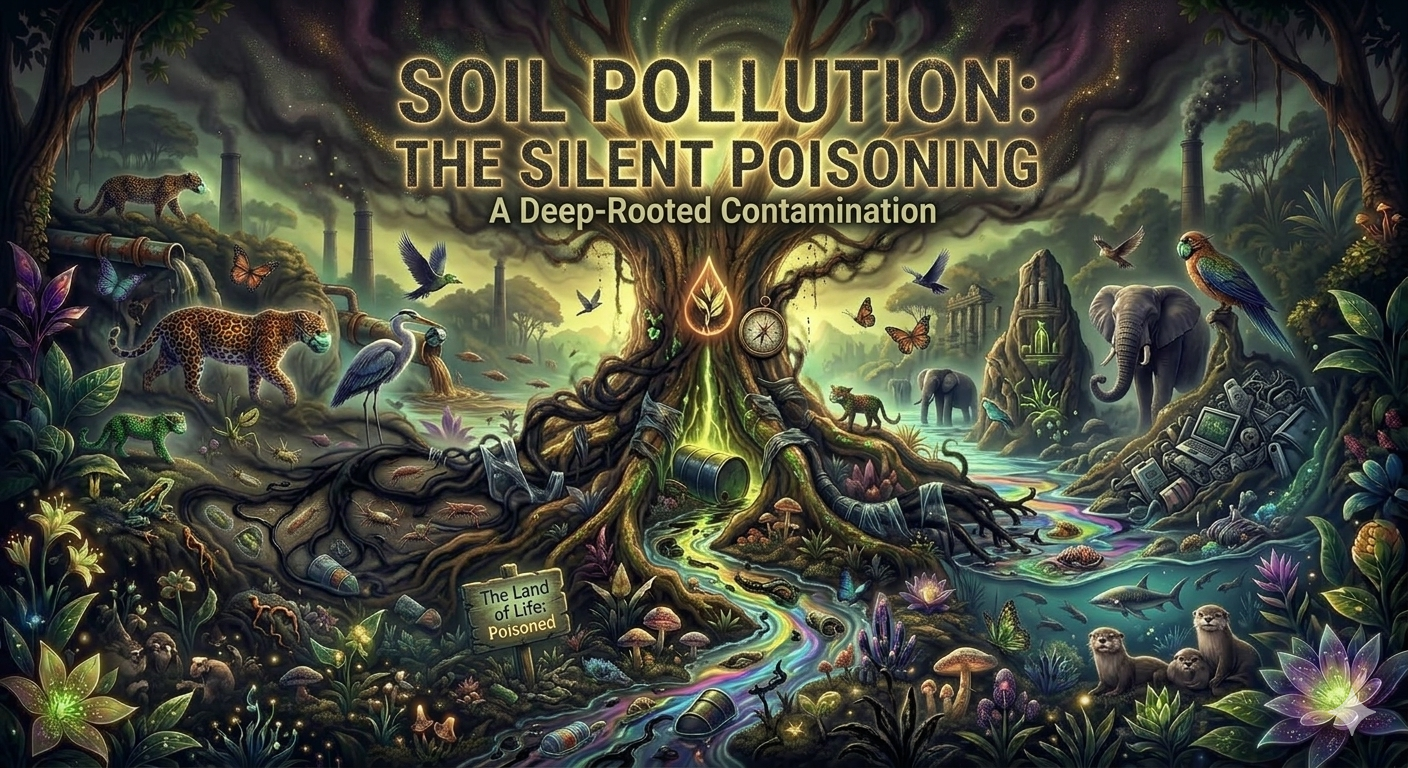
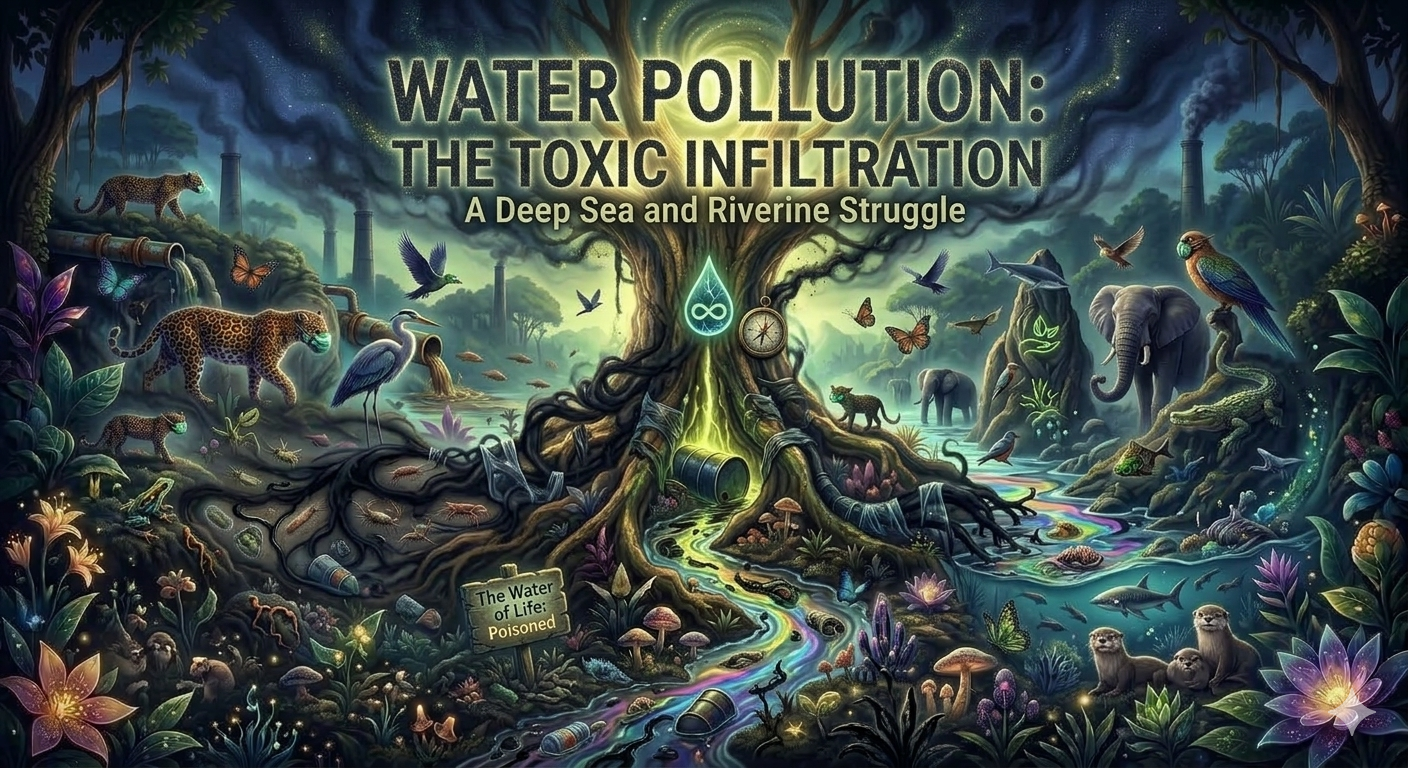
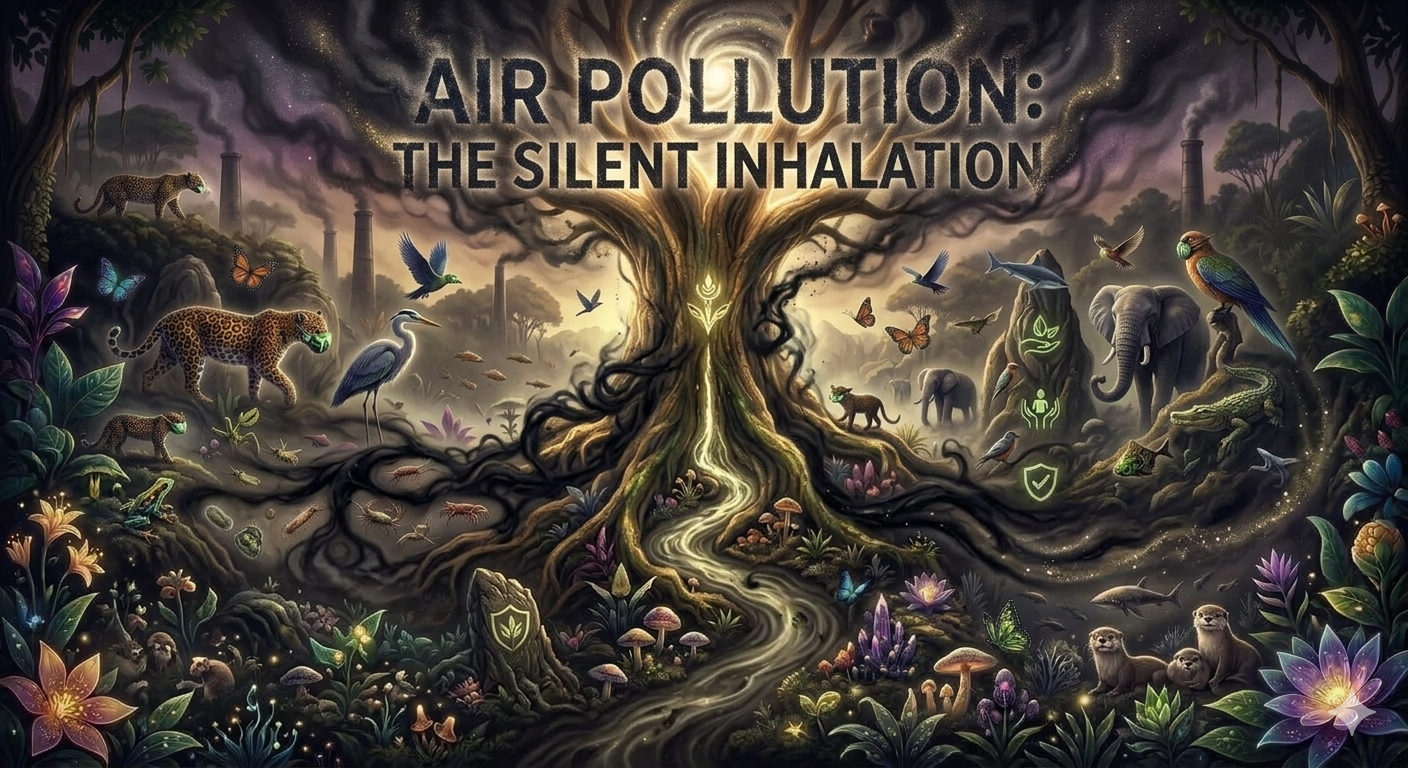
Air, water, and soil pollution harm living organisms and disrupt ecological balance.
3. Climate Change
Rising temperatures and changing rainfall patterns affect ecosystems worldwide.
4. Overexploitation of Resources
Overfishing, hunting, and excessive resource extraction damage ecosystems.
5. Urbanization
Rapid urban growth destroys natural habitats.
Conservation and Protection of Ecosystems
Protecting ecosystems is essential for sustainable development.
1. Conservation of Biodiversity
Protected areas such as national parks and wildlife sanctuaries help preserve ecosystems.
2. Sustainable Resource Use
Resources should be used responsibly to prevent depletion.
3. Environmental Awareness
Education and public awareness play a key role in conservation.
4. Restoration of Degraded Ecosystems
Activities such as afforestation and wetland restoration help revive damaged ecosystems.
Conclusion
An ecosystem is a complex and dynamic system that includes both living organisms and non-living environmental factors interacting with each other. These interactions support the flow of energy and cycling of nutrients necessary for sustaining life on Earth.
The main components of an ecosystem—biotic and abiotic—work together to maintain ecological balance. Producers capture solar energy, consumers transfer energy through food chains, and decomposers recycle nutrients back into the environment.
Understanding ecosystems is essential for addressing modern environmental challenges such as climate change, biodiversity loss, and pollution. Protecting ecosystems ensures the survival of countless species and secures the natural resources that humans depend upon.
Therefore, maintaining healthy ecosystems is not only an environmental responsibility but also a necessity for sustainable development and the well-being of future generations.