Introduction
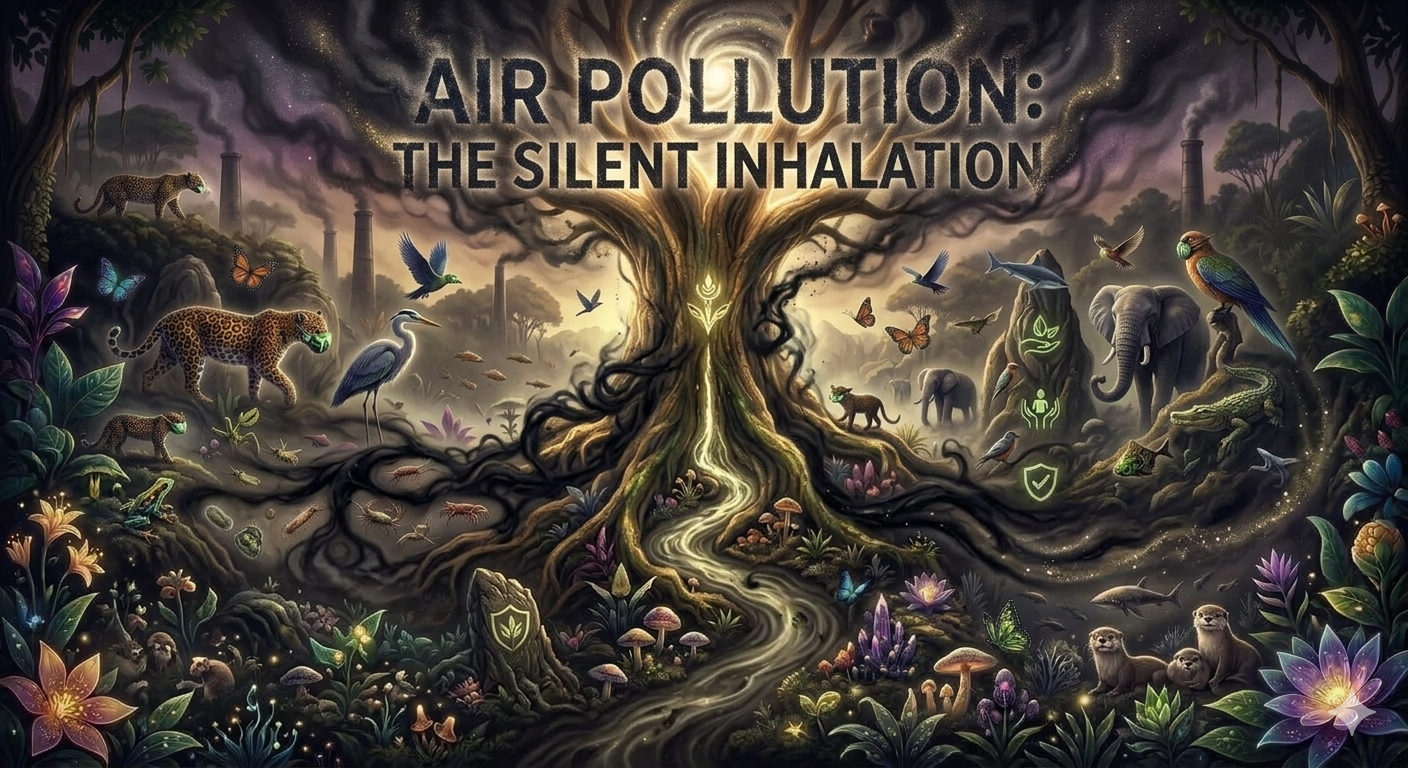
Clean air is essential for the survival of all living organisms on Earth. The atmosphere provides oxygen for respiration, regulates temperature, and protects life from harmful solar radiation. However, rapid industrialization, urbanization, and increasing human activities have significantly deteriorated air quality across the world. One of the most serious environmental problems emerging from these developments is air pollution.
Air pollution occurs when harmful substances such as gases, particulate matter, chemicals, and biological materials enter the atmosphere and alter its natural composition. These pollutants can adversely affect human health, ecosystems, climate, and overall environmental quality.
In the fields of Environmental Science and Atmospheric Science, air pollution is studied as a major environmental challenge that requires urgent attention from governments, scientists, and society. The problem is particularly severe in rapidly developing countries where industrial activities, vehicle emissions, and population growth contribute significantly to air contamination.
Understanding the concept of air pollution and identifying its major sources is essential for developing effective strategies to protect environmental and public health.
Meaning and Definition of Air Pollution
What is Air Pollution?
Air pollution refers to the contamination of the atmosphere by harmful substances that negatively affect living organisms and the environment. These substances may be solid particles, liquid droplets, or gases that accumulate in the air in harmful concentrations.
In simple terms, air pollution occurs when pollutants are released into the air in quantities that disrupt the natural balance of the atmosphere and pose risks to health and ecosystems.
Air pollutants may originate from natural processes or human activities. However, the rapid increase in industrial and urban activities has greatly intensified the problem in recent decades.
Characteristics of Air Pollution
Air pollution possesses several important characteristics that distinguish it as a major environmental problem.
1. Presence of Harmful Pollutants
Air pollution involves the presence of harmful substances such as carbon monoxide, sulfur dioxide, nitrogen oxides, and particulate matter.
2. Impact on Human Health
Polluted air can cause respiratory diseases, cardiovascular problems, and other serious health conditions.
3. Environmental Effects
Air pollution damages plants, animals, and ecosystems, and contributes to climate change.
4. Long-distance Transport
Air pollutants can travel long distances through atmospheric circulation and affect regions far from their original source.
5. Global and Local Problem
Air pollution can occur at both local and global levels, affecting cities, regions, and even the entire planet.
Major Types of Air Pollutants
Air pollutants can be classified into different categories depending on their physical and chemical properties.
Particulate Matter
Particulate matter consists of tiny solid or liquid particles suspended in the air. These particles may include dust, smoke, soot, and aerosols.
Fine particles can penetrate deep into the lungs and cause serious health problems.
Gaseous Pollutants
Gaseous pollutants are harmful gases released into the atmosphere from various sources.
Examples include:
- Carbon monoxide
- Sulfur dioxide
- Nitrogen oxides
- Ozone
These gases contribute to smog formation and respiratory diseases.
Biological Pollutants
Biological pollutants include microorganisms and organic particles present in the air.
Examples include:
- Bacteria
- Viruses
- Pollen grains
- Mold spores
These pollutants can trigger allergies and respiratory illnesses.
Major Sources of Air Pollution
Air pollution arises from both natural processes and human activities. However, anthropogenic (human-made) sources are the primary contributors to modern air pollution.
Natural Sources of Air Pollution
Natural processes can release pollutants into the atmosphere without human involvement.
Volcanic Eruptions
Volcanic eruptions release large amounts of gases, ash, and particulate matter into the atmosphere.
These emissions include sulfur dioxide, carbon dioxide, and volcanic dust that can affect air quality over large regions.
Forest Fires
Natural forest fires produce smoke, carbon monoxide, and particulate matter.
These pollutants can spread over long distances and significantly degrade air quality.
Dust Storms
Dust storms occur in arid and semi-arid regions when strong winds lift large quantities of dust into the atmosphere.
These dust particles contribute to particulate pollution.
Oceanic Emissions
Oceans release sea salt particles and certain gases that can influence atmospheric composition.
Biological Processes
Natural biological processes such as plant emissions, microbial activity, and decomposition can release gases like methane and volatile organic compounds.
Anthropogenic Sources of Air Pollution
Human activities are the primary cause of severe air pollution in modern societies.
Industrial Activities
Industries release large amounts of pollutants into the atmosphere through the burning of fossil fuels and chemical processes.
Common industrial pollutants include:
- Sulfur dioxide
- Nitrogen oxides
- Carbon monoxide
- Heavy metals
Factories, power plants, and manufacturing industries are major contributors to air pollution.
Vehicle Emissions
The transportation sector is one of the largest sources of air pollution.
Automobiles such as cars, trucks, buses, and motorcycles release exhaust gases that contain harmful pollutants.
Major pollutants from vehicles include:
- Carbon monoxide
- Nitrogen oxides
- Hydrocarbons
- Particulate matter
Rapid urbanization and increasing vehicle numbers have significantly worsened air pollution in cities.
Burning of Fossil Fuels
The combustion of fossil fuels such as coal, petroleum, and natural gas releases pollutants into the atmosphere.
Coal-based power plants are major sources of sulfur dioxide and carbon emissions.
Agricultural Activities
Agriculture contributes to air pollution through activities such as:
- Burning crop residues
- Use of chemical fertilizers and pesticides
- Livestock emissions
Agricultural practices can release methane, ammonia, and other harmful gases into the atmosphere.
Waste Burning
Open burning of solid waste releases toxic gases and particulate matter.
Plastic waste burning is particularly harmful because it produces dangerous chemicals such as dioxins.
Construction Activities
Construction work generates dust and particulate matter that contribute to air pollution in urban areas.
Large infrastructure projects often increase airborne dust levels.
Household Activities
Domestic activities such as cooking and heating using traditional fuels can produce smoke and harmful gases.
In many developing regions, biomass fuels such as wood, coal, and animal dung are commonly used for cooking.
Major Air Pollutants and Their Sources
Different pollutants originate from different sources.
Carbon Monoxide
Produced mainly from incomplete combustion of fuels in vehicles and industries.
Sulfur Dioxide
Released from burning sulfur-containing fossil fuels such as coal and oil.
Nitrogen Oxides
Emitted by vehicles, power plants, and industrial processes.
Particulate Matter
Generated from construction, dust storms, industrial emissions, and vehicle exhaust.
Ozone
Formed in the atmosphere through chemical reactions between pollutants in the presence of sunlight.
Effects of Air Pollution
Air pollution has serious consequences for human health, ecosystems, and climate.
Health Effects
Exposure to polluted air can cause:
- Asthma and bronchitis
- Lung cancer
- Heart diseases
- Eye and throat irritation
Children and elderly individuals are particularly vulnerable.
Environmental Effects
Air pollution damages vegetation, reduces crop productivity, and harms wildlife.
Acid rain caused by sulfur dioxide and nitrogen oxides can damage forests and aquatic ecosystems.
Climate Change
Certain air pollutants contribute to global warming by trapping heat in the atmosphere.
Greenhouse gases such as carbon dioxide and methane play a major role in climate change.
Damage to Buildings and Monuments
Air pollutants can corrode metals and damage historic buildings and monuments.
Acid rain can erode stone structures and cultural heritage sites.
Measures to Control Air Pollution
Effective measures are necessary to reduce air pollution and protect environmental health.
Use of Clean Energy
Promoting renewable energy sources such as solar, wind, and hydroelectric power can reduce dependence on fossil fuels.
Pollution Control Technologies
Industries can install filters, scrubbers, and electrostatic precipitators to reduce emissions.
Sustainable Transportation
Encouraging public transportation, electric vehicles, and cycling can reduce vehicle emissions.
Afforestation
Planting trees helps absorb pollutants and improve air quality.
Public Awareness
Environmental education and awareness programs encourage responsible behavior and pollution reduction.
Conclusion
Air pollution is one of the most serious environmental challenges facing the modern world. It occurs when harmful substances enter the atmosphere and disrupt its natural composition. These pollutants originate from both natural processes and human activities, but anthropogenic sources such as industrial emissions, vehicle exhaust, fossil fuel combustion, and agricultural practices are the primary contributors.
The consequences of air pollution are far-reaching, affecting human health, ecosystems, climate, and cultural heritage. Respiratory diseases, environmental degradation, and global climate change are among the major impacts associated with polluted air.
Addressing air pollution requires collective efforts at individual, national, and global levels. Adopting clean energy technologies, promoting sustainable transportation, controlling industrial emissions, and increasing environmental awareness are essential steps toward improving air quality.
Protecting the atmosphere is crucial for maintaining a healthy environment and ensuring the well-being of present and future generations.