1. Introduction
In the modern world, human activities have significantly influenced the Earth’s environment. Industrialization, rapid urbanization, increasing energy consumption, and expanding transportation networks have contributed to rising levels of greenhouse gases in the atmosphere. Among the concepts used to measure the environmental impact of these activities, the term carbon footprint has become widely recognized.
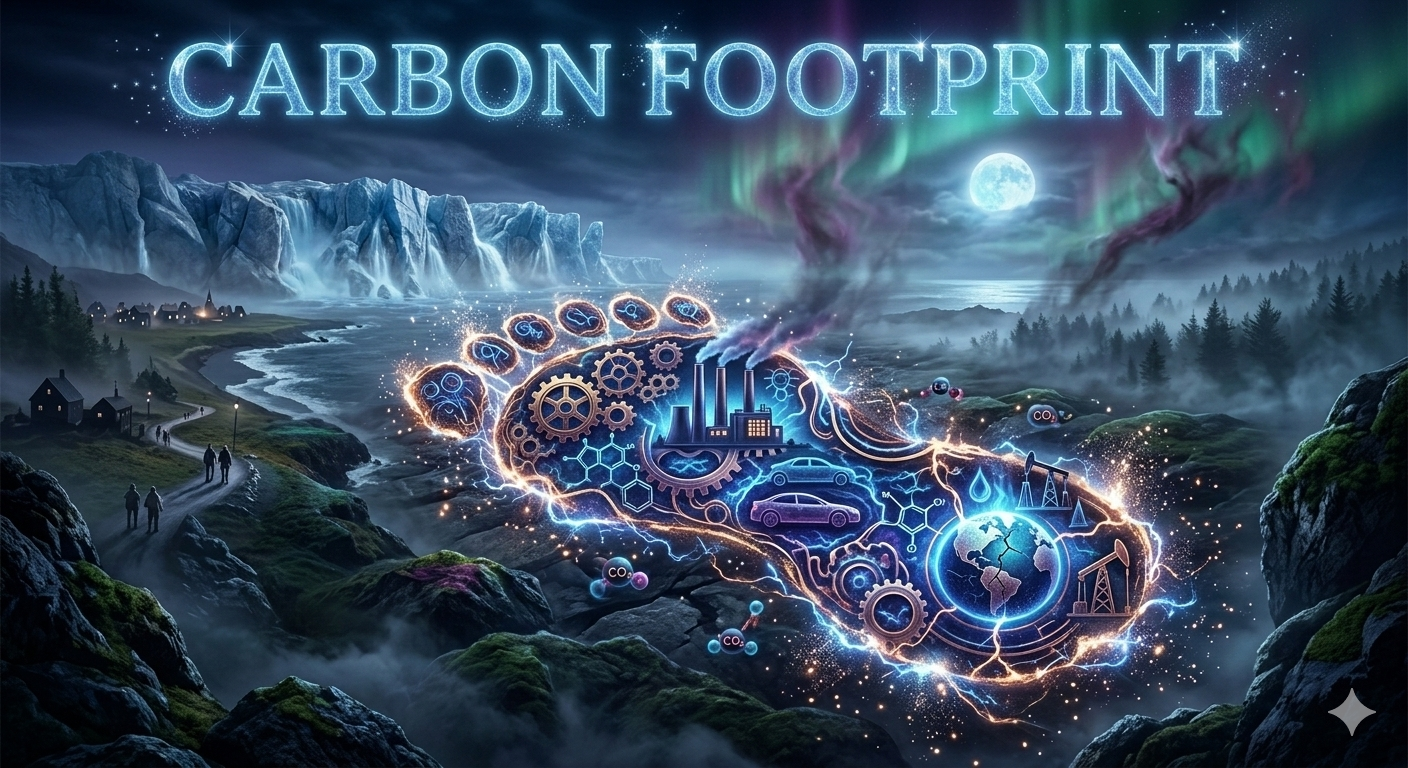
A carbon footprint refers to the total amount of greenhouse gases released into the atmosphere as a result of human activities. These emissions mainly consist of carbon dioxide, but they may also include methane, nitrous oxide, and other greenhouse gases. The carbon footprint can be measured for individuals, organizations, products, industries, or even entire countries.
Understanding carbon footprint is important because it helps people recognize how everyday actions contribute to climate change. By measuring and analyzing carbon emissions, individuals and societies can identify ways to reduce their environmental impact and promote sustainable living.
The concept has become increasingly relevant as governments, environmental organizations, and scientists emphasize the need to reduce global emissions to prevent severe climate change. Therefore, studying carbon footprints is essential for developing strategies that support environmental protection and sustainable development.
2. Meaning and Definition of Carbon Footprint
Definition
A carbon footprint is the total amount of greenhouse gases emitted directly or indirectly by human activities, usually expressed in terms of carbon dioxide equivalent (CO₂e). These emissions occur during the production and consumption of goods and services, transportation, electricity generation, industrial processes, and many other daily activities.
In simple terms, a carbon footprint measures how much carbon dioxide and other greenhouse gases are released into the atmosphere due to a particular activity or lifestyle.
Scope of Carbon Footprint
The carbon footprint can be calculated at different levels, such as:
- Individual carbon footprint
- Household carbon footprint
- Organizational or corporate carbon footprint
- Product carbon footprint
- National or global carbon footprint
Each of these levels helps identify the sources of emissions and develop strategies to reduce environmental damage.
3. Components of Carbon Footprint
Direct Carbon Emissions
Direct emissions are greenhouse gases released from activities that individuals or organizations control directly. These emissions often come from burning fossil fuels for transportation, heating, or electricity.
Examples include:
- Fuel used in cars and motorcycles
- Natural gas used for cooking or heating
- Diesel used in generators
Indirect Carbon Emissions
Indirect emissions occur during the production and transportation of goods and services that people use. Although individuals may not produce these emissions directly, their consumption patterns contribute to them.
Examples include:
- Electricity generation in power plants
- Manufacturing of consumer goods
- Food production and processing
- Construction materials and infrastructure
Both direct and indirect emissions together form the overall carbon footprint of an individual or organization.
4. Major Sources of Carbon Footprint
Energy Production
One of the largest contributors to carbon emissions is energy production. Many countries still rely heavily on fossil fuels such as coal, oil, and natural gas to generate electricity. Burning these fuels releases large amounts of carbon dioxide into the atmosphere.
Power plants, industries, and residential electricity consumption collectively contribute to a significant portion of global carbon footprints.
Transportation
Transportation systems are another major source of carbon emissions. Vehicles powered by gasoline or diesel release carbon dioxide during fuel combustion.
Examples include:
- Cars and motorcycles
- Buses and trucks
- Airplanes
- Ships and cargo transport
The increasing number of vehicles worldwide has significantly increased transportation-related emissions.
Industrial Activities
Industries play a major role in global carbon emissions. Manufacturing processes often require high levels of energy and produce greenhouse gases as byproducts.
Industries such as cement production, steel manufacturing, chemical processing, and mining contribute significantly to carbon footprints.
Agriculture and Livestock
Agricultural practices also contribute to greenhouse gas emissions. Livestock farming produces methane gas, which is a powerful greenhouse gas. Additionally, fertilizers used in farming release nitrous oxide into the atmosphere.
Deforestation for agricultural expansion also increases carbon emissions by reducing the number of trees that absorb carbon dioxide.
Household Activities
Daily household activities also contribute to carbon footprints. These include electricity usage, cooking, heating, waste generation, and consumption of goods.
The lifestyle choices people make, such as energy consumption and transportation habits, significantly influence their personal carbon footprints.
5. Importance of Measuring Carbon Footprint
Understanding Environmental Impact
Measuring carbon footprint helps individuals and organizations understand how their activities affect the environment. It provides valuable insights into emission sources and highlights areas where improvements can be made.
Encouraging Sustainable Behavior
When people become aware of their carbon footprint, they are more likely to adopt environmentally friendly practices. This awareness encourages responsible consumption, energy conservation, and sustainable living.
Supporting Climate Change Mitigation
Reducing carbon footprints plays a crucial role in mitigating climate change. By lowering greenhouse gas emissions, societies can slow down global warming and protect natural ecosystems.
Policy Development
Governments use carbon footprint data to develop environmental policies and regulations. These policies may include emission standards, renewable energy initiatives, and carbon pricing mechanisms.
6. Effects of Large Carbon Footprints
Global Warming
One of the most serious consequences of large carbon footprints is global warming. Excess greenhouse gases trap heat in the Earth’s atmosphere, leading to rising global temperatures.
This warming affects climate systems and contributes to extreme weather conditions.
Climate Change
High carbon emissions accelerate climate change. Changing climate patterns can result in unpredictable rainfall, prolonged droughts, intense storms, and heat waves.
These changes can disrupt ecosystems and affect agriculture and water resources.
Environmental Degradation
Large carbon footprints contribute to environmental degradation. Pollution, deforestation, and habitat destruction often accompany activities that generate carbon emissions.
These environmental changes threaten biodiversity and ecosystem stability.
Public Health Impacts
Carbon emissions are often associated with air pollution, which can cause respiratory diseases, cardiovascular problems, and other health issues.
Reducing carbon footprints can improve air quality and promote healthier living conditions.
7. Methods to Reduce Carbon Footprint
Transition to Renewable Energy
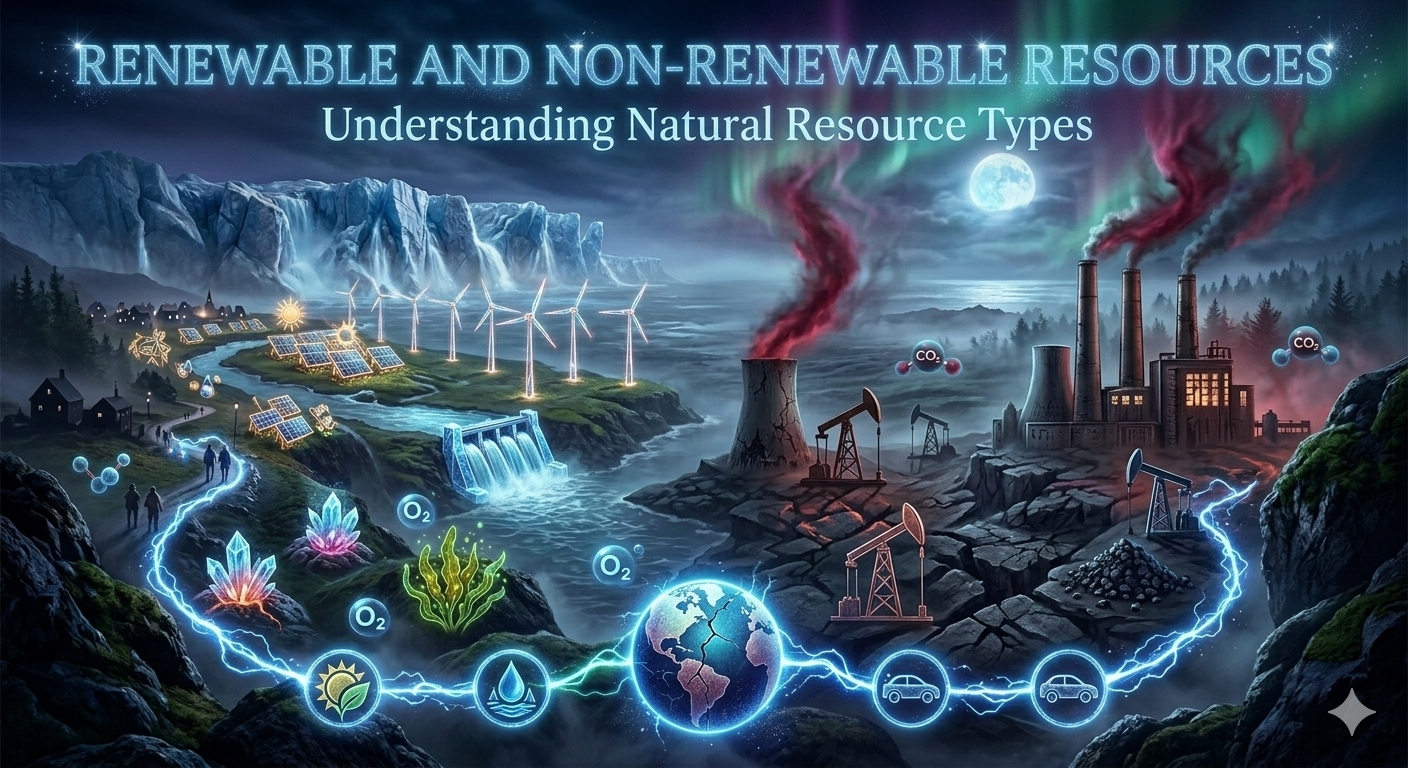
One of the most effective ways to reduce carbon footprints is by adopting renewable energy sources such as solar power, wind energy, hydroelectric power, and geothermal energy.
Renewable energy produces little or no greenhouse gas emissions compared to fossil fuels.
Energy Conservation
Energy conservation plays a crucial role in reducing emissions. Simple actions such as turning off unused appliances, using energy-efficient lighting, and improving building insulation can significantly reduce energy consumption.
Sustainable Transportation
Using environmentally friendly transportation options can lower carbon emissions. These include:
- Public transportation
- Carpooling
- Cycling
- Electric vehicles
Reducing reliance on fossil fuel-powered vehicles can significantly decrease carbon footprints.
Waste Reduction and Recycling
Proper waste management and recycling help reduce emissions associated with waste disposal and resource extraction. Reusing materials and reducing waste can lower the environmental impact of consumption.
Forest Conservation and Tree Planting
Trees absorb carbon dioxide from the atmosphere through photosynthesis. Protecting forests and planting new trees can help offset carbon emissions and improve environmental balance.
8. Role of Individuals and Society
Individual Responsibility
Every individual plays a role in reducing carbon footprints. Lifestyle changes such as reducing energy consumption, minimizing waste, and choosing sustainable products can contribute to environmental protection.
Community Initiatives
Communities can work together to promote environmental awareness and implement sustainable practices. Local initiatives such as recycling programs, green spaces, and energy-efficient infrastructure can reduce collective carbon footprints.
Government and Institutional Efforts
Governments and institutions must implement policies that encourage sustainable development. Investment in renewable energy, public transportation, and environmental conservation can significantly reduce national carbon footprints.
9. Carbon Footprint and Sustainable Development
Connection with Environmental Sustainability
Reducing carbon footprints is closely linked to sustainable development. Sustainable development aims to meet the needs of the present without compromising the ability of future generations to meet their needs.
By minimizing emissions, societies can protect natural resources and maintain ecological balance.
Economic Opportunities
Transitioning to low-carbon technologies also creates economic opportunities. Renewable energy industries, green technology innovation, and sustainable infrastructure development can generate employment and support economic growth.
10. Conclusion
The concept of carbon footprint provides a valuable framework for understanding how human activities contribute to environmental change. It measures the total greenhouse gas emissions produced by individuals, organizations, and societies.
As global concerns about climate change continue to grow, reducing carbon footprints has become an essential goal for governments, businesses, and individuals. High carbon emissions lead to global warming, environmental degradation, and threats to human health and ecosystems.
By adopting renewable energy, conserving resources, promoting sustainable transportation, and protecting forests, societies can reduce their carbon footprints and support environmental sustainability.
Ultimately, collective action and responsible decision-making are necessary to address the challenges posed by climate change. Reducing carbon footprints is not only an environmental responsibility but also a crucial step toward ensuring a healthier and more sustainable future for the planet and its inhabitants.