Introduction
Secularism is widely regarded as one of the foundational pillars of modern democratic societies. In the Indian context, secularism implies equal respect for all religions and the protection of diverse cultural traditions. India’s Constitution envisions a society where individuals freely practice their faith while maintaining harmony among communities. However, in recent decades, a growing debate has emerged around how secularism is interpreted and implemented. While secularism aims to promote neutrality and inclusiveness, its misapplication or rigid enforcement sometimes poses challenges to long-standing cultural practices.
Cultural traditions represent the collective memory of a civilization. They encompass festivals, rituals, languages, clothing, art forms, family systems, and social values that have evolved over centuries. When secularism is interpreted narrowly—focusing only on separation rather than coexistence—it can unintentionally marginalize these traditions. This creates tension between constitutional ideals and cultural continuity.
This essay examines the major challenges faced by cultural practices in the name of secularism, highlighting social, legal, educational, and global influences while emphasizing the need for balance between modern governance and cultural preservation.
Understanding Secularism in the Indian Context
Indian secularism differs from Western secularism. Instead of strict separation between state and religion, India follows a model of principled distance, where the state may intervene to ensure equality and social justice while respecting religious diversity.
However, problems arise when secularism becomes:
- Selectively applied
- Politically motivated
- Detached from cultural realities
- Reduced to mere uniformity
Such interpretations risk eroding cultural expressions rather than protecting pluralism.
Major Challenges to Cultural Practices
1. Homogenization of Diversity
One of the most significant challenges is the gradual homogenization of cultural life. In the pursuit of equality, unique traditions are sometimes discouraged because they are seen as “religious” or “non-secular.”
India’s strength lies in its diversity—each region has its own customs, festivals, cuisines, and rituals. When secular frameworks prioritize sameness over diversity, smaller cultural identities begin to fade. Local traditions often give way to standardized practices, leading to cultural dilution.
Over time, this weakens grassroots heritage and disconnects younger generations from their roots.
2. Legal Interventions in Traditional Practices
Judicial and legislative reforms aimed at promoting equality and human rights are necessary in many cases. However, frequent legal interference in cultural customs can generate resistance and confusion.
While harmful practices must be eliminated, blanket regulations sometimes affect benign traditions as well. Communities may feel that their autonomy is being undermined, especially when reforms appear externally imposed rather than socially evolved.
This creates a perception that secularism is being used to override cultural self-expression.
3. Decline of Indigenous Knowledge Systems
Traditional knowledge systems—such as Ayurveda, yoga philosophy, folk medicine, indigenous agriculture, and classical arts—are deeply rooted in cultural contexts. Modern secular education often prioritizes Western scientific frameworks, marginalizing these indigenous systems.
As a result:
- Oral traditions disappear
- Local healing practices decline
- Classical art forms lose institutional support
This educational imbalance weakens cultural continuity and reduces respect for ancestral wisdom.
4. Politicization of Secularism
Secularism increasingly becomes a political tool rather than a constitutional value. Cultural symbols are frequently interpreted through ideological lenses, transforming festivals or rituals into controversial public debates.
This politicization creates social polarization. Communities feel targeted or misrepresented, and cultural practices become markers of political identity instead of shared heritage.
Such environments discourage cultural participation and foster mistrust among groups.
5. Restrictions on Public Religious Expressions
Public celebrations, processions, and traditional gatherings often face administrative restrictions under the pretext of maintaining secular order. While regulation is essential for public safety, excessive control limits community expression.
Festivals that once promoted unity now encounter bureaucratic obstacles. Gradually, public cultural life shrinks, and traditions move into private spaces, losing their collective character.
6. Urbanization and Lifestyle Changes
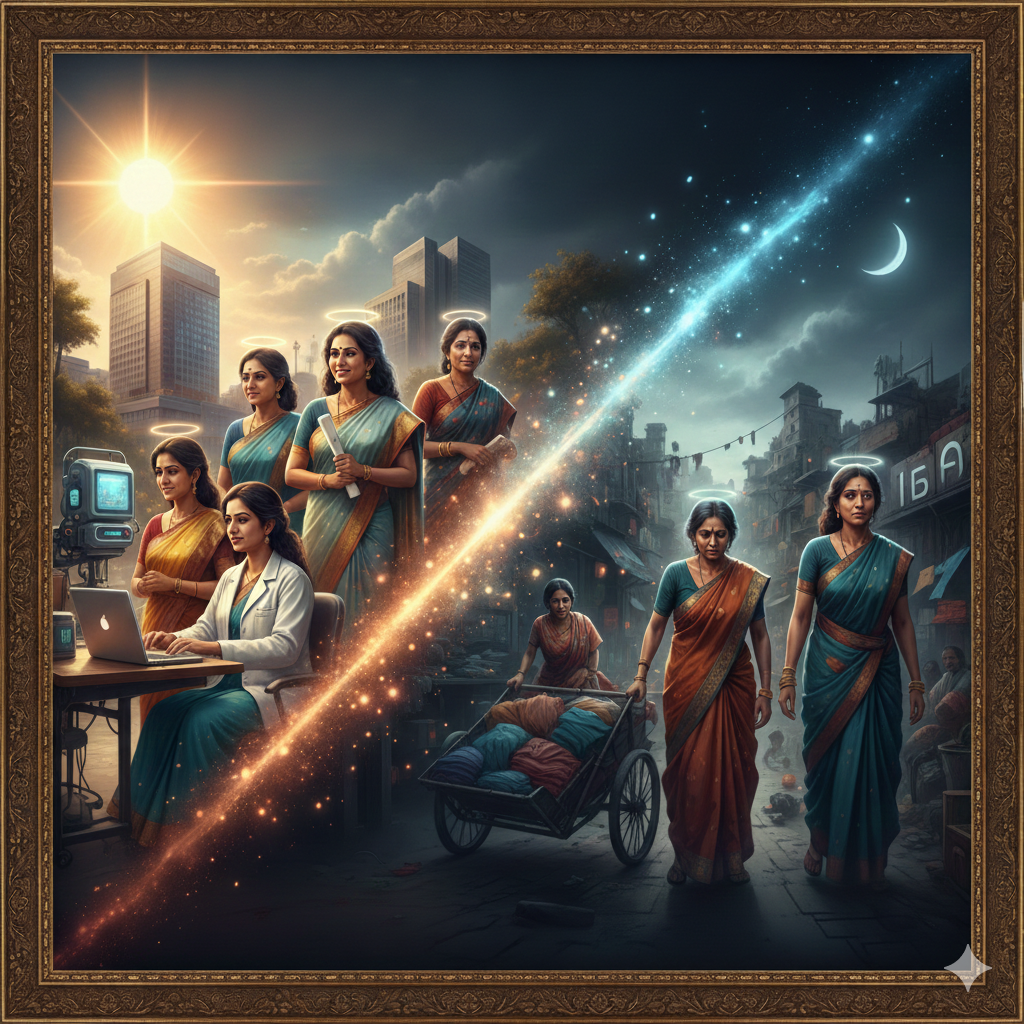
Rapid urbanization has altered family structures and community living. Joint families give way to nuclear households, and neighborhood interactions decline. Cultural rituals that depended on collective participation struggle to survive in urban environments.
Secular modern lifestyles often emphasize individualism over community, weakening intergenerational transmission of traditions.
7. Influence of Globalization
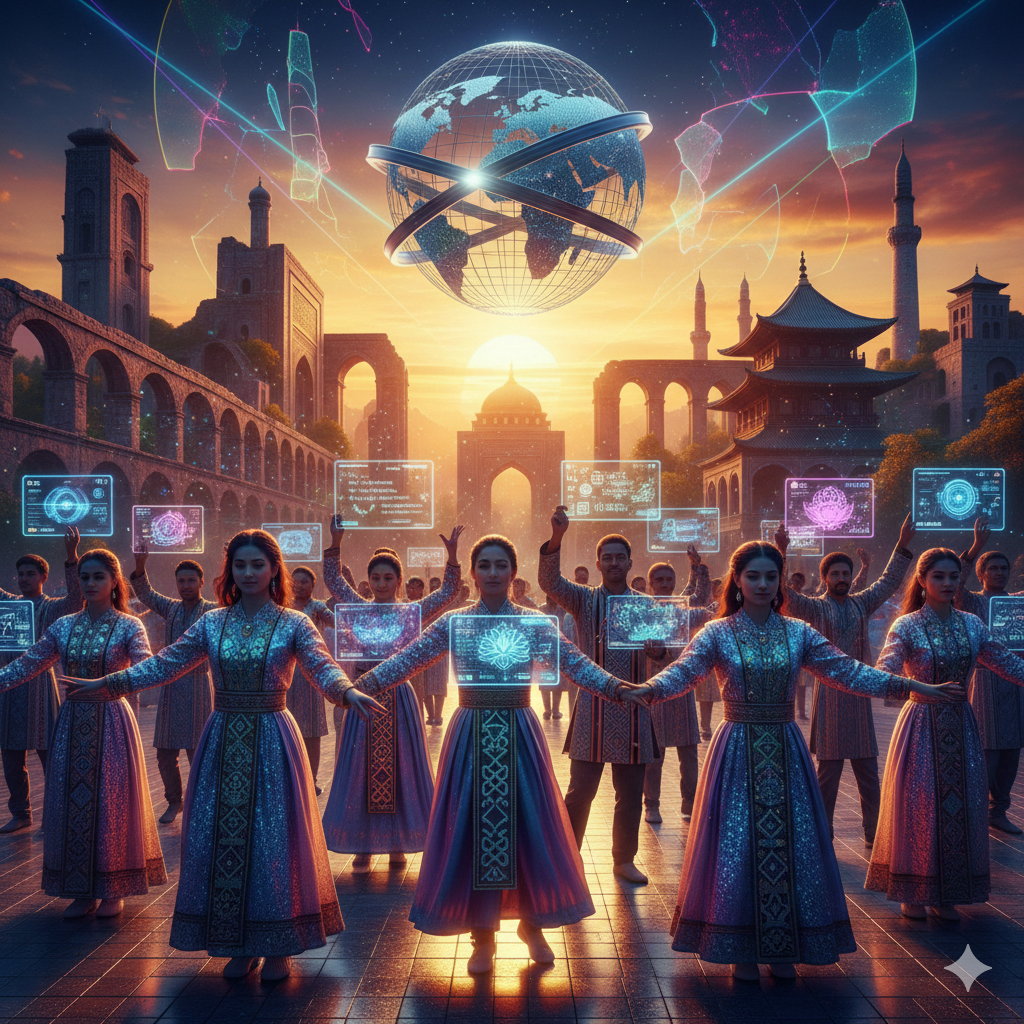
Global consumer culture introduces uniform lifestyles, fashion, entertainment, and values. Local traditions appear outdated when compared with global trends promoted by media and digital platforms.
This cultural globalization, combined with secular modern ideals, encourages youth to prioritize global identity over local heritage. As a result, traditional languages, crafts, and rituals gradually lose relevance.
8. Educational Disconnect from Cultural Roots
Modern curricula often focus on technical skills while neglecting cultural literacy. Students learn about global history but remain unaware of regional traditions, folklore, and ethical philosophies.
Without institutional support, cultural education becomes optional rather than integral. This disconnect creates generations that are academically skilled but culturally detached.
9. Social Media and Cultural Simplification
Digital platforms promote quick consumption of content, reducing complex traditions to stereotypes or viral trends. Sacred rituals become aesthetic visuals, stripped of philosophical meaning.
This superficial representation weakens authentic understanding and encourages performative culture rather than lived tradition.
10. Identity Conflicts Among Youth
Young people increasingly struggle to balance modern secular identities with inherited cultural values. Peer pressure, career demands, and global exposure often create internal conflicts.
Without guidance, youth may view tradition as restrictive rather than enriching, leading to cultural alienation.
Broader Societal Consequences
The cumulative impact of these challenges includes:
- Cultural amnesia
- Fragmentation of community bonds
- Loss of moral frameworks rooted in tradition
- Increased social polarization
- Weakening of pluralistic harmony
Culture is not merely symbolic; it shapes ethics, social responsibility, and collective resilience. Its erosion affects the very fabric of society.
Need for a Balanced Approach
Rather than positioning secularism against culture, a balanced framework is essential.
Key Measures
Inclusive Secularism:
Promote equal respect for all traditions rather than suppressing visible cultural expressions.
Context-Sensitive Reforms:
Implement social reforms through dialogue with communities.
Cultural Education:
Integrate local history, arts, and philosophies into school curricula.
Youth Engagement:
Encourage participation in heritage activities through digital storytelling and cultural clubs.
Preservation of Indigenous Knowledge:
Support traditional practices through research and policy initiatives.
Depoliticization of Culture:
Keep cultural traditions free from ideological manipulation.
Conclusion
Secularism, when understood in its true spirit, strengthens cultural diversity rather than weakening it. The challenges faced by cultural practices today arise not from secularism itself but from its narrow or politicized interpretation. India’s civilization has survived for millennia because it embraced pluralism while preserving tradition.
A mature society does not choose between modernity and heritage—it harmonizes both. Cultural practices must evolve with time, but evolution should be organic, inclusive, and respectful. Protecting cultural traditions within a secular framework is not a contradiction; it is a necessity for social harmony and national identity.
By adopting a balanced approach, societies can ensure that secular governance coexists with cultural vitality, allowing future generations to inherit both constitutional values and civilizational wisdom.