Introduction
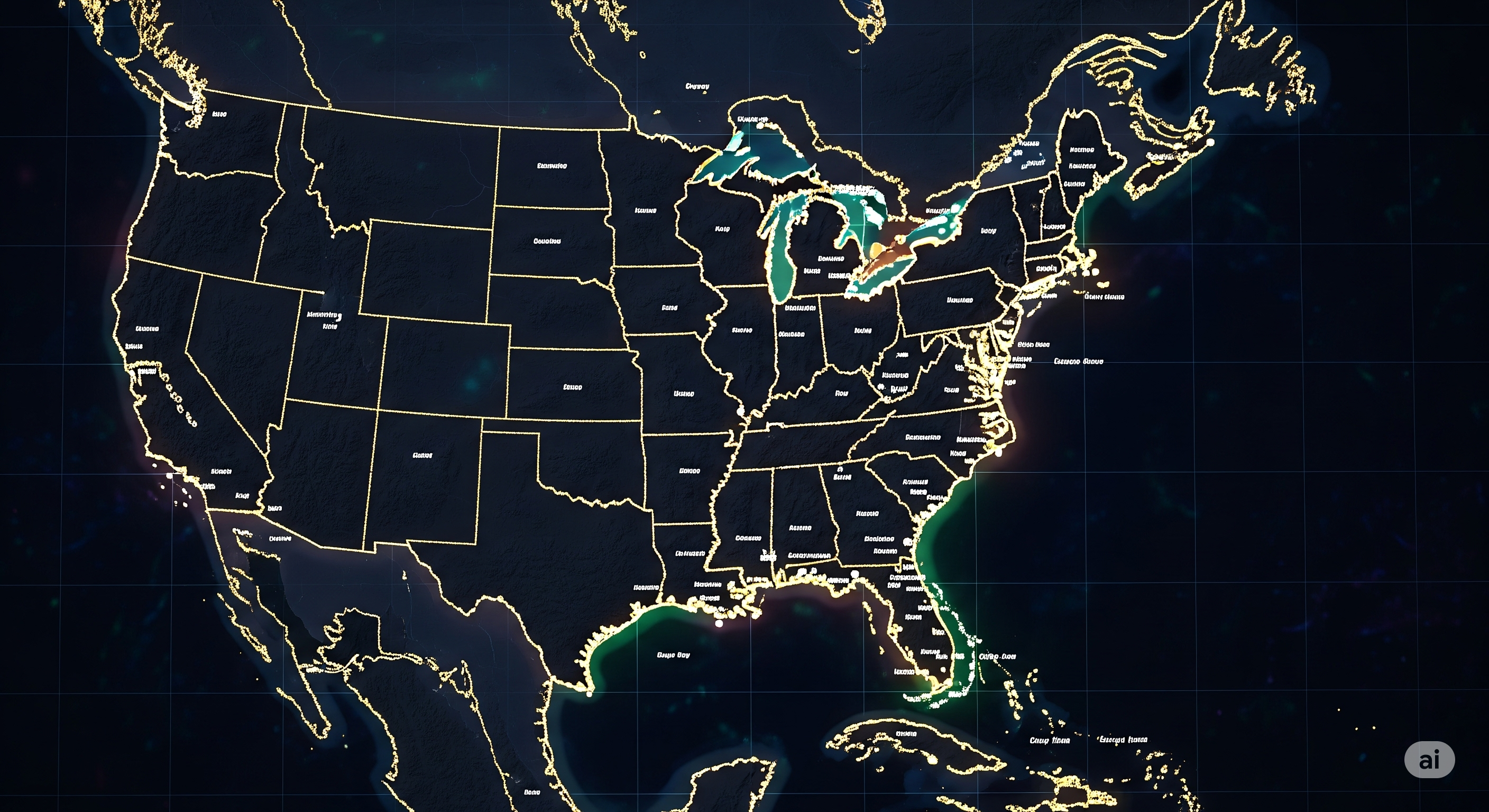
The United States is a country with extensive coastlines, stretching over 19,924 kilometers (12,380 miles) including all states and territories. These coasts, divided into the Atlantic, Pacific, and Gulf coasts, play a vital role in shaping the nation’s economy, culture, transportation, settlement patterns, and environmental challenges. Coastal regions are hubs of human activity due to favorable climate, natural harbors, and access to resources.
Understanding the coastal geography of the USA requires examining physical features, economic significance, and associated risks. Each coast has unique characteristics influenced by ocean currents, tides, geology, and climate, which in turn affect human settlements, industries, and ecological systems.
This article explores the coastal geography of the USA, focusing on the Atlantic, Pacific, and Gulf coasts, their economic importance, environmental challenges, and the risks posed by natural disasters and climate change.
1. Atlantic Coast
Physical Geography
The Atlantic Coast stretches from Maine in the north to Florida in the south, covering about 3,400 km (2,100 miles). It is characterized by:
- Diverse coastline types: rocky cliffs in New England, sandy beaches in the mid-Atlantic, and tidal marshes in the southeast.
- Barrier islands: Protect the mainland from storms and provide habitats for wildlife. Examples include the Outer Banks in North Carolina and Long Island in New York.
- Estuaries and rivers: The coast is rich in estuaries like the Chesapeake Bay, formed by drowned river valleys. These areas are highly productive ecosystems.
Climate Influence
- Influenced by the Gulf Stream, which brings warm water from the south, moderating temperatures along the eastern seaboard.
- Experiences humid subtropical climate in the south and humid continental climate in the north, affecting vegetation, agriculture, and human habitation.
Economic Significance
- Ports and shipping: Major ports like New York, Boston, Baltimore, and Savannah facilitate international trade and commerce.
- Fisheries and aquaculture: Atlantic waters support lobster, crab, and fish industries, crucial for local economies.
- Tourism: Sandy beaches, historic cities, and natural parks attract millions of visitors annually.
- Urban development: Cities like New York City, Boston, and Miami are economic powerhouses due to strategic coastal locations.
Environmental Risks
- Hurricanes and nor’easters: Cause flooding, storm surges, and property damage, especially in the southeast.
- Sea-level rise: Threatens low-lying areas like Florida and the Chesapeake Bay region.
- Coastal erosion: Barrier islands and beaches are gradually eroding due to wave action and human activities.
2. Gulf Coast
Physical Geography
The Gulf Coast extends along Texas, Louisiana, Mississippi, Alabama, and Florida, with approximately 1,600 km (1,000 miles) of coastline. Its features include:
- Wide coastal plains: Low-lying landforms with fertile soils.
- Estuaries and bays: Including Galveston Bay and Mobile Bay, supporting rich marine ecosystems.
- Barrier islands: Protect the mainland and provide habitats for birds and marine life.
Climate Influence
- The region experiences a humid subtropical climate with hot, humid summers and mild winters.
- High rainfall, especially during hurricane season (June–November), influences agriculture and water resources.
Economic Significance
- Oil and gas industry: Offshore drilling in the Gulf of Mexico is a cornerstone of the U.S. energy sector.
- Shipping and ports: Ports like Houston, New Orleans, and Tampa handle international cargo, oil exports, and imports.
- Fishing and seafood: The Gulf provides shrimp, oysters, and fish, supporting local communities and exports.
- Tourism and recreation: White sandy beaches, fishing resorts, and cultural tourism contribute to regional income.
Environmental Risks
- Hurricanes: Category 4–5 hurricanes like Katrina and Harvey caused massive devastation.
- Coastal erosion and wetland loss: Wetlands act as natural buffers but are shrinking due to development and sea-level rise.
- Oil spills: Events like the Deepwater Horizon spill (2010) had long-term ecological and economic impacts.
3. Pacific Coast
Physical Geography
The Pacific Coast stretches from Washington State to California, covering approximately 2,400 km (1,500 miles). Its defining features include:
- Rocky coastlines and cliffs: Especially in northern California, Oregon, and Washington.
- Beaches and coastal dunes: Common in southern California.
- Fjords and bays: Notable in Washington State, including Puget Sound, providing natural harbors.
- Mountain proximity: Coastal mountains like the Sierra Nevada and Coast Ranges influence precipitation and microclimates.
Climate Influence
- Northern Pacific Coast has a marine west coast climate, characterized by mild, wet winters and cool summers.
- Southern California exhibits a Mediterranean climate, with hot, dry summers and mild, wet winters.
- Ocean currents, particularly the California Current, bring cold water from the north, moderating temperatures and affecting marine productivity.
Economic Significance
- Ports and trade: Key ports include Los Angeles, Long Beach, and Seattle, handling container shipping, imports, and exports.
- Technology and urban centers: Coastal cities like San Francisco and Seattle are economic hubs for technology, trade, and finance.
- Fisheries: Pacific waters support salmon, crab, and other seafood industries.
- Tourism and recreation: Beaches, national parks, and cultural attractions draw millions of visitors.
Environmental Risks
- Earthquakes and tsunamis: The Pacific Coast lies along the Ring of Fire, increasing seismic risk.
- Coastal erosion and landslides: Particularly along cliffs in California and Oregon.
- Droughts and wildfires: Southern California is prone to prolonged dry periods, with winds increasing fire risks.
4. Coastal Ecosystems and Biodiversity
- Mangroves and salt marshes: Common in the Gulf Coast, providing nursery habitats for fish and protection against storms.
- Tidal flats and estuaries: Found along the Atlantic, supporting migratory birds and productive fisheries.
- Rocky intertidal zones: Pacific Coast supports diverse marine organisms like mussels, sea stars, and kelp forests.
- Coastal vegetation buffers erosion, floods, and wind, while also supporting biodiversity and carbon sequestration.
5. Economic Significance of US Coasts
Shipping and Trade
- Coasts provide natural harbors and port facilities, essential for imports and exports.
- The East Coast and Gulf Coast connect the USA with Europe, South America, and Asia.
- Pacific Coast ports link the USA to Asia-Pacific markets, supporting economic growth.
Fisheries and Aquaculture
- Atlantic and Pacific fisheries supply lobster, crab, tuna, salmon, and cod.
- Gulf Coast provides shrimp, oysters, and catfish.
- Coastal aquaculture and fishing communities rely on sustainable management practices for economic stability.
Tourism and Recreation
- Beaches, national parks, and cultural attractions create millions of jobs in tourism and hospitality.
- Coastal recreation supports marine sports, cruises, and resorts, generating revenue for local economies.
Energy and Resources
- Gulf Coast and Pacific offshore areas contribute to oil and natural gas production.
- Wind energy potential exists along Atlantic and Pacific coasts.
- Coastal areas are crucial for renewable energy and energy transport infrastructure.
6. Risks and Challenges
Natural Disasters
- Hurricanes: Gulf and Atlantic coasts experience regular storms, causing flooding and property damage.
- Tsunamis: Pacific Coast faces potential tsunamis due to seismic activity.
- Storm surges and coastal flooding: Low-lying areas like Louisiana and Florida are particularly vulnerable.
Climate Change
- Sea-level rise threatens coastal infrastructure, wetlands, and barrier islands.
- Increased storm intensity exacerbates flooding, erosion, and economic loss.
- Saltwater intrusion affects freshwater supplies and agriculture in coastal areas.
Human Activities
- Urbanization and port expansion increase vulnerability to storms.
- Coastal pollution from industry, shipping, and tourism affects marine ecosystems.
- Overfishing and habitat loss threaten biodiversity and fisheries.
7. Coastal Management and Sustainability
- Barrier island restoration and wetland conservation to reduce storm impact.
- Zoning laws and building codes to prevent damage in high-risk areas.
- Sustainable fishing practices to ensure long-term economic viability.
- Renewable energy projects like offshore wind farms for sustainable development.
- Public awareness and education about coastal hazards and climate adaptation strategies.
Conclusion
The coastal geography of the USA is a defining feature of the nation’s economy, environment, and lifestyle. From the rocky cliffs of the Pacific Coast to the barrier islands of the Atlantic and the rich estuaries of the Gulf Coast, each region has unique characteristics that influence trade, tourism, agriculture, energy, and urban development.
However, these regions also face significant risks, including hurricanes, coastal erosion, sea-level rise, and human-induced environmental pressures. Understanding the coastal geography is essential for sustainable management, disaster preparedness, and economic planning.
The USA’s coasts are not only economic powerhouses but also ecological treasures, supporting biodiversity, fisheries, and cultural heritage. Balancing economic growth with environmental protection and climate adaptation will ensure that the Atlantic, Pacific, and Gulf coasts continue to thrive for generations to come.