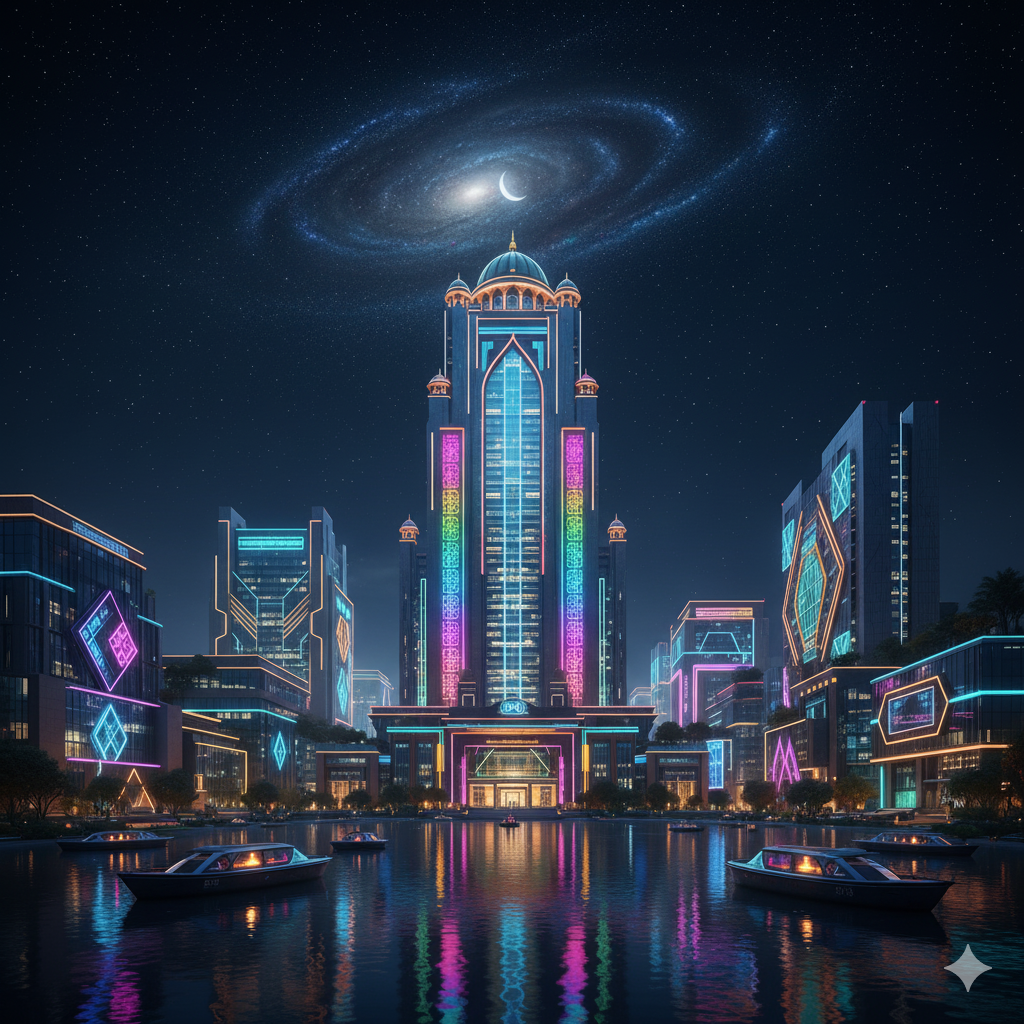
Introduction
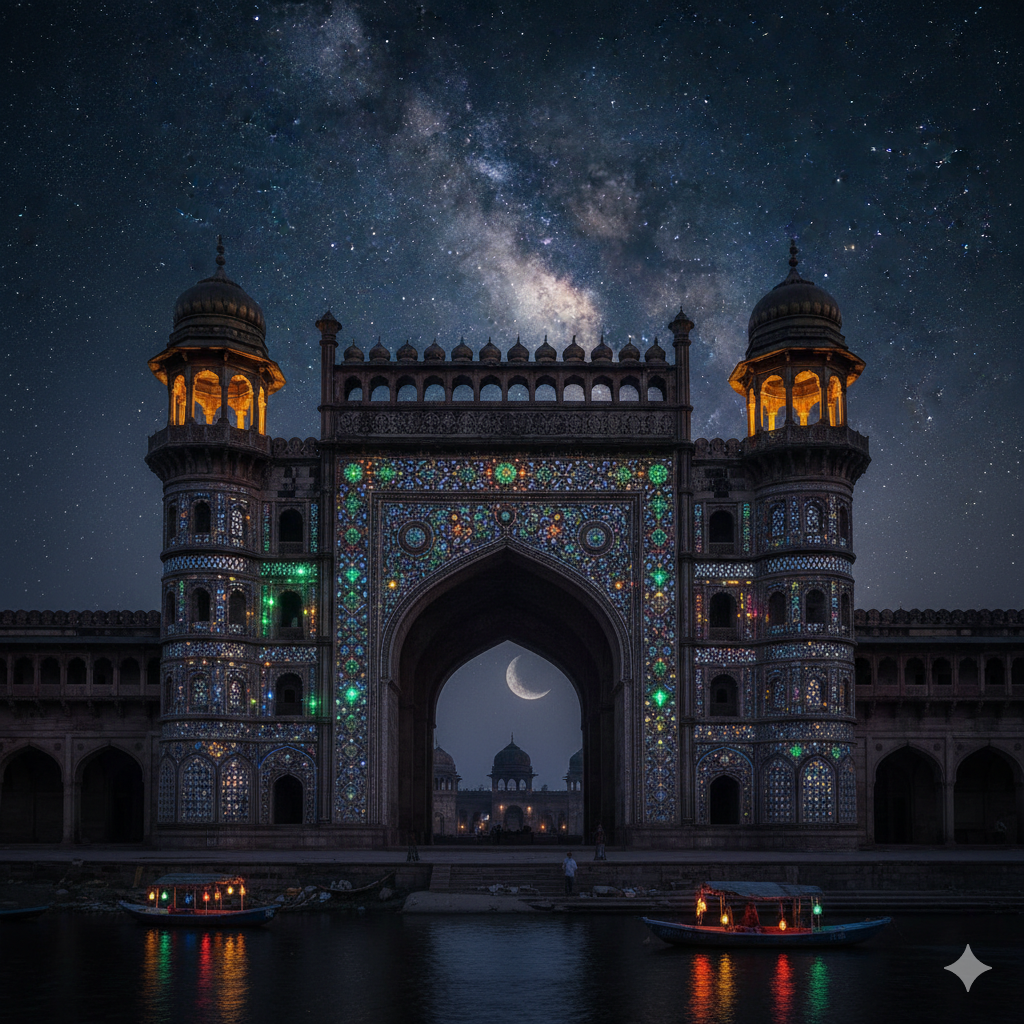
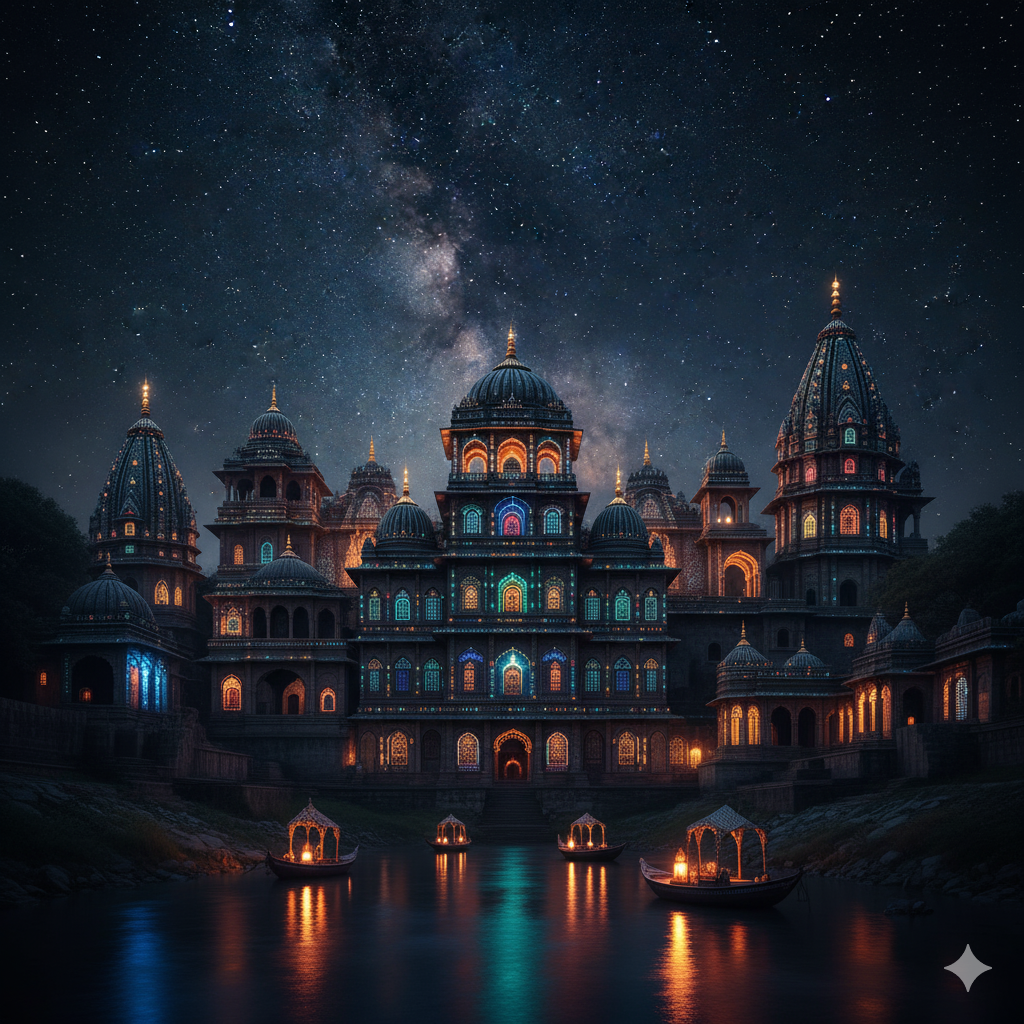
The architectural heritage of Uttar Pradesh represents one of the most diverse and continuous traditions in India’s cultural landscape. From ancient Buddhist stupas to medieval Mughal monuments and Nawabi grandeur, the state has served as a cradle of architectural innovation. However, the modern period — roughly from the mid-19th century to the present day — has witnessed a profound transformation in the architectural character of Uttar Pradesh.
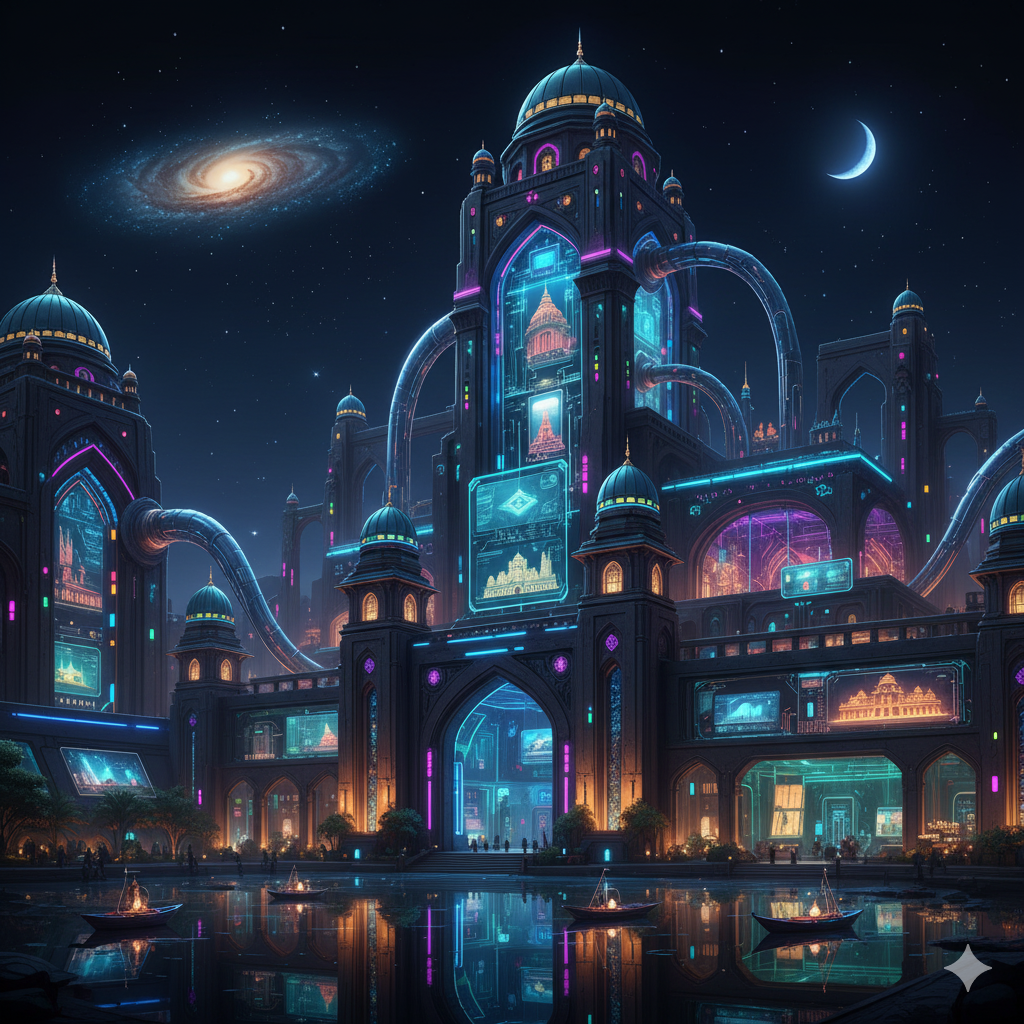
Modern architecture in Uttar Pradesh emerged as a response to changing political systems, evolving technologies, and social aspirations. It marks a transition from traditional stone and brick structures to designs influenced by colonial, nationalist, and contemporary global styles. This evolution not only reflects architectural creativity but also mirrors the state’s socio-economic progress and urbanization over time.
This essay explores the development of architecture in modern Uttar Pradesh — from the late colonial era through post-independence reconstruction to the 21st century — focusing on how the state has blended heritage with modernity while embracing technological and environmental innovation.
Historical Background: Transition to Modern Architecture
The modern architectural phase in Uttar Pradesh began in the late 19th century under British colonial influence. Cities like Lucknow, Allahabad (now Prayagraj), Kanpur, and Varanasi became administrative and educational centers. The British introduced new materials, construction techniques, and urban planning models, transforming the architectural identity of the region.
After India’s independence in 1947, Uttar Pradesh became a key region for infrastructural development, with architecture reflecting the ideals of progress, democracy, and cultural integration. The post-independence era saw the rise of modern public buildings, educational institutions, housing colonies, and transport infrastructure. In recent decades, the growth of smart cities, metro systems, and eco-friendly designs has redefined the state’s urban and architectural landscape.
Thus, modern architecture in Uttar Pradesh can be divided into three distinct phases:
- Colonial and Transitional Phase (1858–1947) – Indo-Saracenic and European influences.
- Post-Independence Phase (1947–1990) – Institutional and civic architecture.
- Contemporary Phase (1990–Present) – Smart cities, modern infrastructure, and sustainable architecture.
Phase I: Colonial and Transitional Architecture (1858–1947)
The British colonial period had a profound influence on the architectural character of Uttar Pradesh. The British combined European classical styles with Indian motifs to create the Indo-Saracenic architectural style, which became the hallmark of the late 19th and early 20th centuries.
1. Lucknow: Transformation of the Nawabi City
After the annexation of Awadh in 1856, Lucknow became an important administrative center of British India. The British preserved many Nawabi monuments but also introduced new buildings that reflected colonial grandeur.
- La Martinière College (1796–1845): Originally designed by French adventurer Major Claude Martin, it is one of the earliest examples of Indo-European architecture in India. Its structure combines classical European facades with Mughal domes and minarets.
- The Residency Complex: Built during the late 18th century, it became a symbol of colonial resilience during the Revolt of 1857. The ruins of the Residency still stand as a reminder of the architectural and historical turning point in modern India.
- Kaiserbagh and Chattar Manzil: The British used and modified these Nawabi palaces for administrative purposes, merging colonial functionality with Nawabi ornamentation.
2. Allahabad (Prayagraj): The Administrative and Educational Hub
Allahabad was developed by the British as a major administrative and judicial center. Its architecture displayed classical colonial elegance.
- Allahabad University (1887): Known as the “Oxford of the East,” the university’s buildings were designed in Indo-Saracenic style with arched verandas, domes, and spacious courtyards.
- High Court Building (1916): Constructed in neo-classical style with a grand portico and dome, representing colonial authority and justice.
- Anand Bhawan and Swaraj Bhawan: Residences of the Nehru family, these buildings represent early 20th-century Indo-European domestic architecture and later became symbols of India’s freedom struggle.
3. Kanpur: Industrial and Cantonment Architecture
Kanpur evolved into an industrial hub and military cantonment under British rule. Colonial bungalows, factories, and administrative buildings were constructed in European styles with adaptations for Indian climate — wide verandas, high ceilings, and ventilated halls.
4. Varanasi and Agra: Heritage and Colonial Interaction
In Varanasi and Agra, the British undertook conservation of Mughal and ancient Hindu monuments while building new institutions and infrastructure such as railway stations and administrative offices. The interaction between traditional heritage and colonial planning created a dual character — one of preservation and modernization.
Phase II: Post-Independence Architectural Development (1947–1990)
After independence, architecture in Uttar Pradesh entered a new era characterized by functionalism, nation-building, and the integration of modernist ideas. The focus shifted from colonial aesthetics to utility, equality, and accessibility.
1. Institutional and Civic Architecture
Post-independence Uttar Pradesh witnessed a surge in public buildings representing democratic ideals and modernization.
- Vidhan Sabha (Legislative Assembly), Lucknow: Originally built during British rule, it was expanded and renovated post-independence to serve as the seat of the state legislature. Its Indo-European façade and dome became a symbol of democratic governance.
- Lucknow University (1921 onwards): Expanded after independence, featuring a blend of colonial and modern academic architecture.
- Indian Institute of Technology (IIT) Kanpur (1959): One of the earliest IITs, representing the adoption of modernist principles — simplicity, functionality, and technological innovation. Its campus design emphasized open spaces, geometric structures, and minimal ornamentation.
- Banaras Hindu University (BHU), Varanasi: Founded earlier in 1916 by Pandit Madan Mohan Malaviya, its architecture expanded after independence, combining Hindu temple aesthetics with modern educational infrastructure.
2. Public Infrastructure and Urban Housing
The Nehruvian vision of modernization inspired large-scale infrastructure and housing projects. The government established new townships, industrial estates, and cooperative housing societies to accommodate growing urban populations.
- Public housing colonies in Lucknow, Kanpur, and Allahabad featured simple, standardized designs focused on affordability and ventilation.
- Construction of multipurpose buildings such as auditoriums, hospitals, and administrative offices reflected modernist design trends — reinforced concrete, minimal decoration, and flat roofs.
3. Religious and Cultural Buildings
While modernism dominated, traditional architectural forms were not abandoned. Post-independence Uttar Pradesh saw the construction of temples and cultural centers that revived classical Indian motifs.
- The ISKCON Temple in Vrindavan and Birla Mandirs combined traditional Hindu temple forms with modern engineering materials.
- In Varanasi, new ghats and temple restorations continued the heritage of sacred architecture.
Phase III: Contemporary and 21st-Century Architecture (1990–Present)
The liberalization of the Indian economy in the 1990s and the subsequent wave of globalization transformed the architectural landscape of Uttar Pradesh. Modern architecture began to incorporate global trends such as sustainability, smart technology, and aesthetic minimalism. Cities like Lucknow, Noida, Greater Noida, and Ghaziabad became hubs of contemporary architectural experimentation.
1. Emergence of Urban Centers and Smart Cities
Uttar Pradesh witnessed rapid urbanization in the late 20th and early 21st centuries. Lucknow, Kanpur, Agra, and Varanasi saw the development of planned sectors, metro projects, and modern civic infrastructure.
- Gomti Nagar and Janeshwar Mishra Park (Lucknow): Represent modern urban planning with wide roads, green spaces, and modern residential architecture. Janeshwar Mishra Park, modeled on London’s Hyde Park, integrates landscape design with sustainability.
- Lucknow Metro Rail Project: Its stations showcase sleek modern designs with energy-efficient systems, representing the state’s entry into sustainable infrastructure.
- Smart City Projects in Varanasi and Agra: Focus on heritage conservation alongside modern amenities, blending traditional architecture with digital urban management.
2. Noida and Greater Noida: The New Architectural Frontier
Noida and Greater Noida have emerged as the architectural symbols of modern Uttar Pradesh. The region’s skyline now includes high-rise residential complexes, corporate towers, and educational institutions designed by leading architects.
- Architectural Style: Influenced by global modernism — glass facades, steel structures, geometric symmetry, and smart design.
- Public Buildings and IT Parks: Tech hubs and SEZs (Special Economic Zones) have introduced futuristic architecture with energy-efficient materials and sustainable layouts.
- Jaypee Sports City and Formula One Circuit: Represent the convergence of architecture, engineering, and entertainment design.
3. Heritage Conservation and Adaptive Reuse
Modern Uttar Pradesh has also witnessed significant efforts in heritage conservation, recognizing the need to preserve its historical identity amid modernization.
- Restoration of Bara Imambara, Rumi Darwaza, Jhansi Fort, and Kashi Vishwanath Corridor represents a conscious blending of ancient and modern techniques.
- The Kashi Vishwanath Dham Corridor (Varanasi), completed recently, is a monumental example of integrating ancient temple architecture with modern urban design. It connects the temple to the Ganga ghats, using sandstone façades, wide courtyards, and traditional carvings while ensuring accessibility and cleanliness.
- In Agra, modernization around the Taj Mahal focuses on sustainable tourism and architectural preservation through eco-friendly planning.
4. Sustainable and Green Architecture
The 21st century has seen a growing emphasis on eco-friendly architecture. Modern buildings in Uttar Pradesh are increasingly adopting green building norms — solar panels, rainwater harvesting, and natural ventilation systems.
- LEED-certified buildings in Noida and Lucknow promote sustainable design principles.
- The Atal Bihari Vajpayee Ekana Cricket Stadium in Lucknow combines functionality with modern sports architecture, integrating sustainable construction materials.
- Public spaces like the Ambedkar Memorial Park in Lucknow, though controversial for its monumental scale, display a unique fusion of modern monumentalism and traditional stone craftsmanship, symbolizing the assertion of social identity in modern India.
Architectural Trends and Styles in Modern Uttar Pradesh
- Indo-Saracenic Legacy: Continued adaptation of domes, arches, and decorative motifs in public architecture.
- Modernism: Emphasis on functionality, simplicity, and use of reinforced concrete.
- Postmodernism and Hybrid Design: Integration of traditional Indian elements into modern structures — such as temple-like façades on public buildings.
- Smart and Sustainable Design: Focus on digital technology, energy efficiency, and environmental harmony.
Urban Planning and Infrastructure Development
Modern architecture in Uttar Pradesh is deeply linked with urban planning and infrastructural development. The state government has implemented numerous urban renewal projects, including:
- Development of expressways (Yamuna Expressway, Purvanchal Expressway) featuring modern toll plazas and service infrastructure.
- Establishment of international airports with advanced design aesthetics in Lucknow and upcoming ones in Ayodhya and Jewar (Noida International Airport).
- Redevelopment of riverfronts such as the Gomti Riverfront Project — a blend of engineering and landscape architecture.
These projects reflect how architecture today is intertwined with governance, mobility, and economic progress.
Role of Educational and Cultural Institutions
Architectural education and cultural preservation initiatives in Uttar Pradesh have played a key role in shaping the state’s modern identity. Institutions like IIT Roorkee (regional centers), IIT Kanpur, and School of Planning and Architecture (SPA) Lucknow have contributed to modern architectural thought. Meanwhile, cultural institutions like Bharat Kala Bhavan (Varanasi) and State Museum (Lucknow) preserve and exhibit the state’s architectural and artistic legacy.
Conclusion
The development of architecture in modern Uttar Pradesh is a story of continuity and transformation. It reflects the state’s journey from royal courts and colonial governance to democratic aspirations and global modernity. Over the centuries, architecture in Uttar Pradesh has adapted to changing times — preserving its historical soul while embracing technological innovation.
From the Indo-Saracenic grandeur of colonial Lucknow to the smart urbanism of Noida and Varanasi’s Kashi Corridor, every phase represents a dialogue between tradition and progress. The modern architectural identity of Uttar Pradesh thus stands as a testament to its cultural resilience, creativity, and vision for a sustainable future.
In the 21st century, as Uttar Pradesh evolves into one of India’s most dynamic states, its architecture continues to narrate the story of a civilization — deeply rooted in heritage yet confidently moving toward modernity.