Introduction
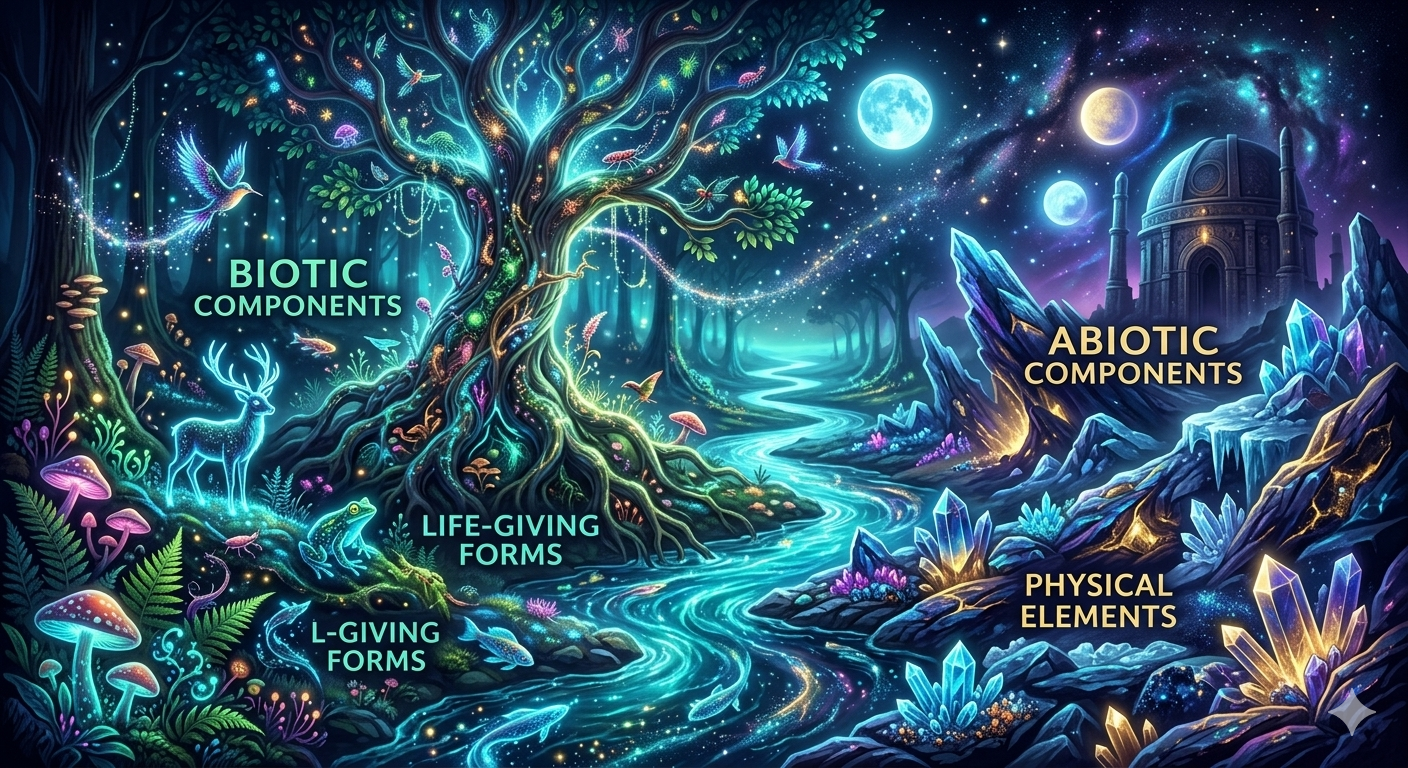
The environment consists of a complex network of living organisms and non-living elements that interact continuously to sustain life on Earth. These interactions form the foundation of ecological systems and determine how organisms survive, grow, and reproduce. In the study of Ecology, the environment is broadly divided into two major components: biotic components and abiotic components.
Biotic components refer to all living organisms present in an ecosystem, including plants, animals, and microorganisms. Abiotic components, on the other hand, include the non-living physical and chemical elements such as air, water, soil, sunlight, and temperature. Both components are interdependent and work together to maintain the stability and functioning of ecosystems.
Understanding the difference between biotic and abiotic components is essential for studying ecological balance, environmental conservation, and sustainable development. The relationship between these components determines how energy flows through ecosystems and how nutrients circulate in nature.
Understanding the Environment and Its Components
Concept of Environment
The environment refers to the surroundings in which organisms live and interact. It includes both natural and artificial conditions that influence life processes. These conditions may be biological, physical, or chemical in nature.
Environmental components are typically classified into two categories:
- Biotic components (living factors)
- Abiotic components (non-living factors)
Both categories play important roles in shaping ecosystems and maintaining ecological equilibrium.
Biotic Components of the Environment
Meaning of Biotic Components
Biotic components are all living organisms present in an ecosystem. These organisms interact with each other and with the physical environment to form ecological communities. The term “biotic” originates from the Greek word bios, meaning life.
Biotic components include plants, animals, bacteria, fungi, and other microorganisms. They perform various functions such as producing food, consuming energy, and decomposing organic matter.
These organisms are interconnected through complex relationships such as food chains, food webs, symbiosis, and competition.
Characteristics of Biotic Components
Biotic components possess several defining characteristics that distinguish them from non-living elements.
1. Presence of Life
Biotic components are living entities that possess life processes such as growth, reproduction, metabolism, and adaptation.
2. Ability to Reproduce
Living organisms have the capacity to reproduce and produce offspring, ensuring the continuation of species.
3. Metabolic Activities
Biotic components perform metabolic activities such as respiration, digestion, and photosynthesis.
4. Adaptation to Environment
Living organisms adapt to environmental conditions to survive in different habitats.
5. Interdependence
Biotic organisms depend on each other for food, shelter, and survival.
Classification of Biotic Components
Biotic components are generally divided into three major categories based on their role in the ecosystem.
Producers (Autotrophs)
Producers are organisms that can produce their own food using energy from sunlight. This process is known as photosynthesis.
Examples include:
- Green plants
- Algae
- Phytoplankton
Producers form the base of the ecological pyramid because they convert solar energy into chemical energy that supports other organisms.
Consumers (Heterotrophs)
Consumers are organisms that depend on other organisms for food because they cannot produce their own energy.
Consumers are classified into different types.
Primary Consumers
These are herbivores that feed directly on plants.
Examples include:
- Deer
- Rabbits
- Grasshoppers
- Cows
Secondary Consumers
Secondary consumers feed on herbivores.
Examples include:
- Frogs
- Small birds
- Lizards
Tertiary Consumers
Tertiary consumers are higher-level predators that feed on other carnivores.
Examples include:
- Eagles
- Snakes
- Tigers
Decomposers
Decomposers are organisms that break down dead plants, animals, and organic matter into simpler substances.
Examples include:
- Bacteria
- Fungi
They play a vital role in recycling nutrients and maintaining ecosystem productivity.
Abiotic Components of the Environment
Meaning of Abiotic Components
Abiotic components refer to the non-living physical and chemical elements present in the environment. These factors influence the survival, growth, and distribution of organisms.
Abiotic factors determine the type of organisms that can live in a particular ecosystem. For example, temperature, rainfall, and soil composition affect plant growth and animal distribution.
These components create the physical conditions necessary for life to exist.
Characteristics of Abiotic Components
Abiotic components have several unique features.
1. Non-Living Nature
Abiotic components do not possess life. They do not grow, reproduce, or perform metabolic activities.
2. Physical and Chemical Elements
They include natural factors such as sunlight, water, air, minerals, and climate conditions.
3. Influence on Living Organisms
Abiotic components determine environmental conditions that affect living organisms.
4. Role in Energy and Nutrient Cycles
They are essential for processes such as photosynthesis, respiration, and nutrient cycling.
Major Abiotic Components
Sunlight
Sunlight is the primary source of energy for ecosystems. Plants use solar energy to perform photosynthesis and produce food.
Water
Water is essential for all biological processes such as digestion, transportation of nutrients, and temperature regulation.
Air
Air contains gases such as oxygen, carbon dioxide, and nitrogen that are necessary for respiration and photosynthesis.
Soil
Soil provides nutrients and physical support for plants. It also serves as a habitat for microorganisms.
Temperature
Temperature affects metabolic rates, growth patterns, and species distribution.
Minerals and Nutrients
Minerals such as nitrogen, phosphorus, calcium, and potassium are essential for plant growth and ecosystem productivity.
Differences Between Biotic and Abiotic Components
Understanding the difference between biotic and abiotic components helps in analyzing how ecosystems function. The following points highlight their major differences.
1. Nature
- Biotic Components: These are living organisms that possess life.
- Abiotic Components: These are non-living physical and chemical elements.
2. Presence of Life Processes
- Biotic: Perform life processes such as respiration, reproduction, growth, and metabolism.
- Abiotic: Do not perform any biological activities.
3. Examples
- Biotic: Plants, animals, fungi, bacteria.
- Abiotic: Sunlight, water, soil, temperature, air.
4. Role in Ecosystem
- Biotic: Participate in food chains and ecological interactions.
- Abiotic: Provide environmental conditions necessary for life.
5. Dependence
- Biotic: Depend on abiotic factors for survival.
- Abiotic: Exist independently but influence living organisms.
6. Energy Flow
- Biotic: Transfer energy through trophic levels in food chains.
- Abiotic: Provide the energy source and environmental conditions.
7. Interaction
- Biotic: Interact with other living organisms through competition, predation, and symbiosis.
- Abiotic: Interact mainly through physical and chemical processes.
8. Growth and Reproduction
- Biotic: Grow and reproduce.
- Abiotic: Do not grow or reproduce.
Relationship Between Biotic and Abiotic Components
Although biotic and abiotic components are different, they are closely interconnected.
Dependence of Organisms on Abiotic Factors
Living organisms depend on abiotic elements such as sunlight, water, and nutrients for survival.
For example:
- Plants require sunlight for photosynthesis.
- Animals need oxygen for respiration.
- Microorganisms require suitable temperature and moisture.
Influence of Biotic Components on Abiotic Factors
Living organisms also influence abiotic conditions.
Examples include:
- Plants release oxygen into the atmosphere.
- Decomposers enrich soil with nutrients.
- Vegetation influences rainfall and climate patterns.
Energy Flow and Nutrient Cycling
Energy and nutrients circulate between biotic and abiotic components through ecological processes.
Key processes include:
- Photosynthesis
- Respiration
- Decomposition
- Nutrient cycles such as the carbon cycle and nitrogen cycle
These processes maintain the stability of ecosystems.
Importance of Studying Biotic and Abiotic Components
Understanding these components is essential for several reasons.
1. Environmental Conservation
Knowledge of ecological components helps in protecting natural resources and biodiversity.
2. Sustainable Development
Proper management of environmental resources ensures long-term sustainability.
3. Climate Change Studies
Abiotic factors such as temperature and rainfall patterns help scientists analyze climate change.
4. Biodiversity Protection
Studying biotic components helps identify species relationships and protect endangered organisms.
5. Ecosystem Management
Effective ecosystem management requires understanding both living and non-living elements.
Human Impact on Biotic and Abiotic Components
Human activities have significantly affected environmental components.
Effects on Biotic Components
- Habitat destruction
- Loss of biodiversity
- Species extinction
- Disruption of food chains
Effects on Abiotic Components
- Air pollution
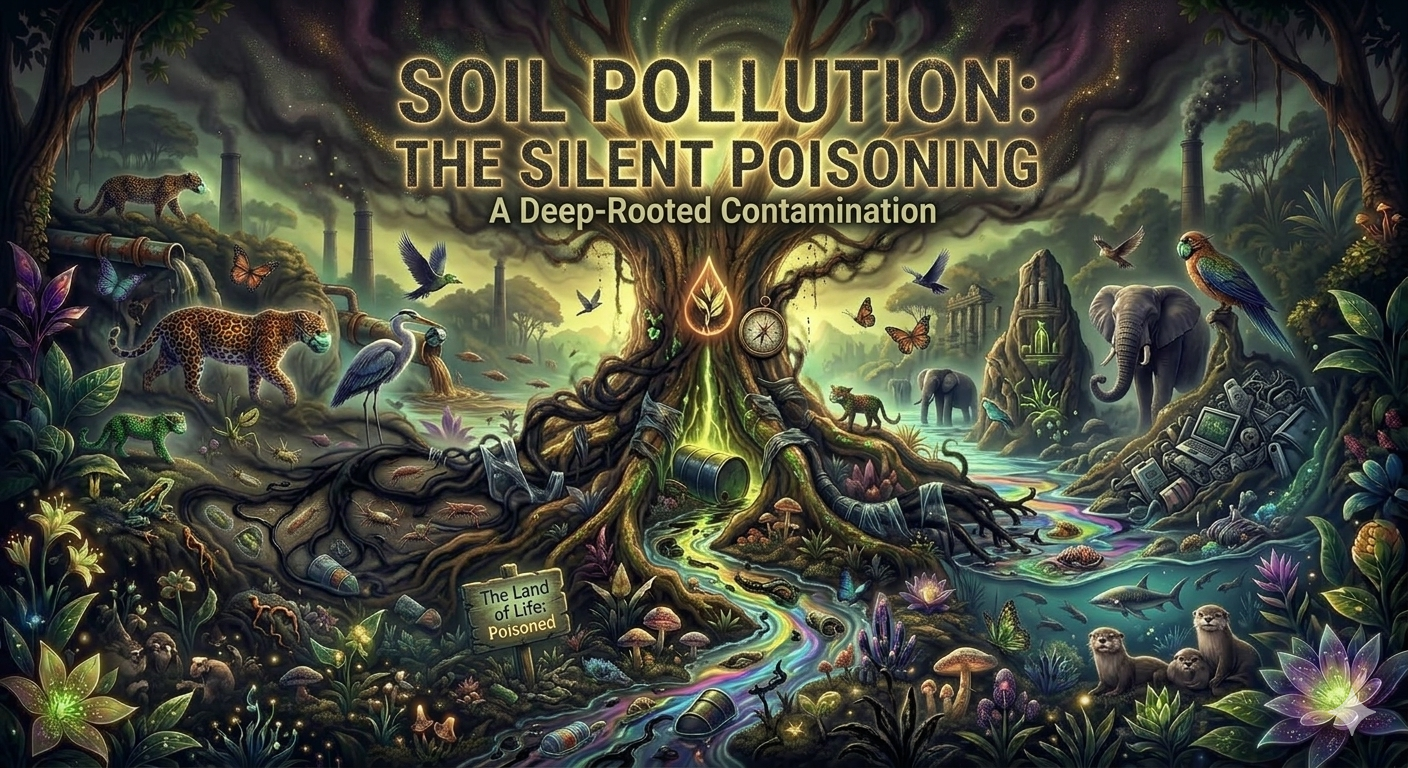
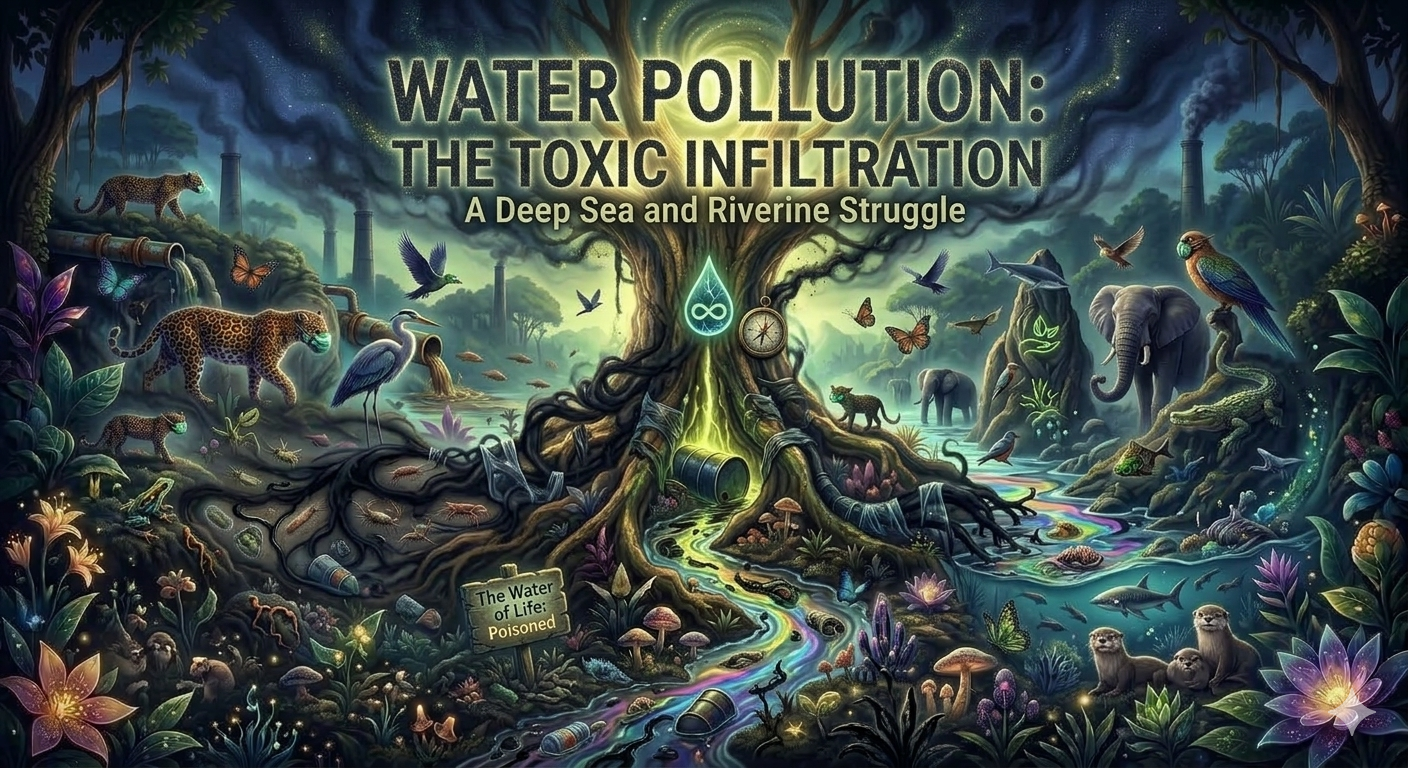
- Water contamination
- Soil degradation
- Climate change
These impacts disturb ecological balance and threaten ecosystem stability.
Conservation Measures
To maintain environmental balance, several measures can be taken.
Protection of Natural Habitats
Establishing wildlife reserves and protected areas helps conserve biodiversity.
Sustainable Resource Use
Natural resources should be used responsibly to avoid depletion.
Pollution Control
Reducing pollution helps protect both living organisms and physical environmental factors.
Environmental Education
Public awareness encourages responsible environmental behavior.
Conclusion
The environment consists of both living and non-living components that interact closely to sustain life on Earth. Biotic components include all living organisms such as plants, animals, and microorganisms, while abiotic components consist of physical and chemical elements like sunlight, water, air, soil, and temperature.
Although these two components differ in nature, they are deeply interconnected. Biotic organisms rely on abiotic factors for survival, while living organisms also influence environmental conditions through ecological processes.
Understanding the differences and relationships between biotic and abiotic components is crucial for studying ecosystems, protecting biodiversity, and addressing environmental challenges such as climate change and resource depletion. By maintaining a balance between these components, ecosystems can continue to support life and provide essential services to the planet.
Ultimately, preserving the harmony between biotic and abiotic elements is essential for ensuring a sustainable and healthy environment for present and future generations.