Introduction
Uttar Pradesh is one of the most populous and agriculturally important states of India. With a population exceeding 240 million people, the state plays a crucial role in the country’s economic, cultural, and agricultural development. However, rapid population growth, urbanization, industrial expansion, and intensive agriculture have placed immense pressure on the environment of the state.
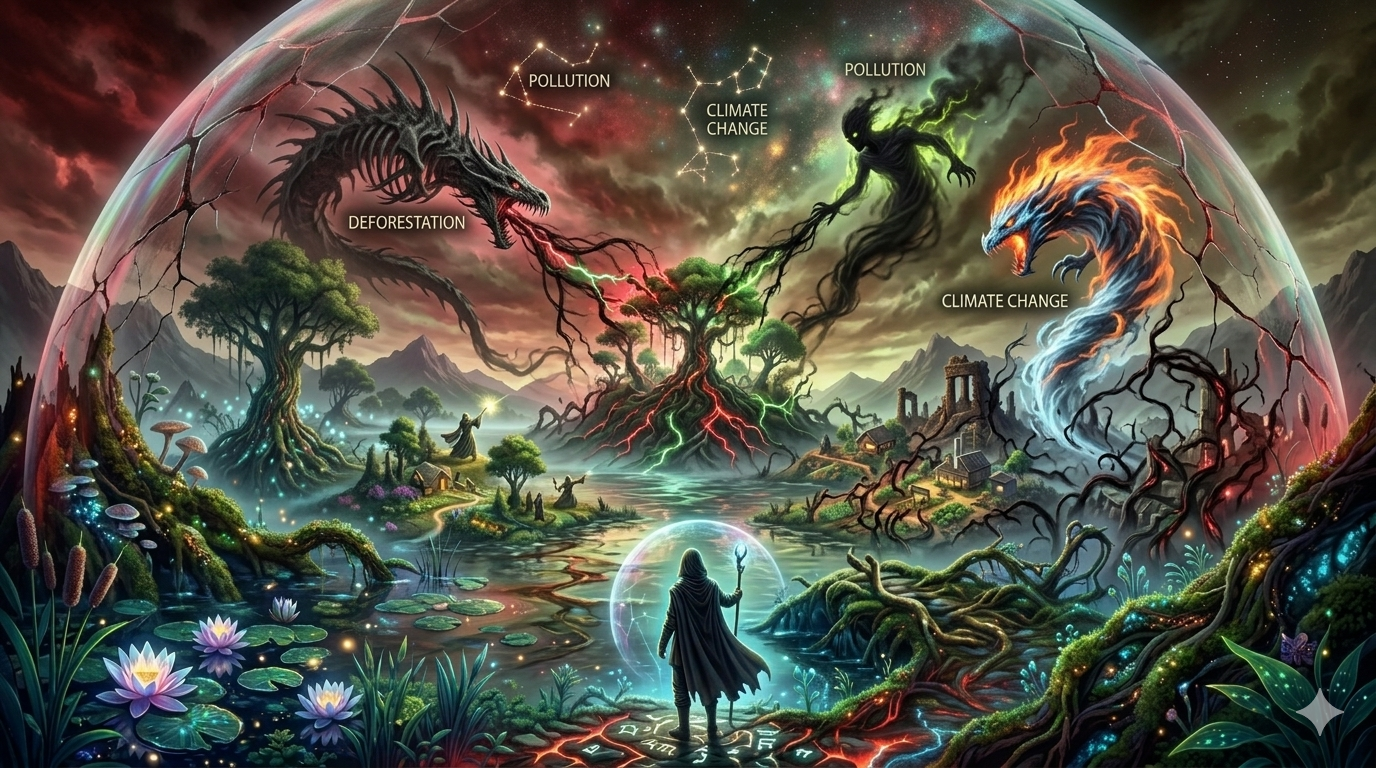
The environmental challenges in Uttar Pradesh are complex and interconnected. They include air and water pollution, deforestation, soil degradation, groundwater depletion, waste management issues, biodiversity loss, and the impacts of climate change. These challenges not only threaten natural ecosystems but also affect human health, agricultural productivity, and sustainable development.
Understanding these environmental issues is essential for policymakers, researchers, and citizens so that effective solutions can be developed to ensure ecological balance and long-term sustainability.
Major Environmental Challenges in Uttar Pradesh
1. Air Pollution
Air pollution has become one of the most serious environmental problems in Uttar Pradesh, especially in rapidly growing urban centers.
Major Causes
- Vehicular Emissions
The rapid increase in motor vehicles in cities such as Lucknow, Kanpur, and Ghaziabad has significantly contributed to rising levels of air pollution. Exhaust gases release harmful pollutants like nitrogen oxides, carbon monoxide, and particulate matter. - Industrial Pollution
Industrial hubs such as Kanpur and Noida contain tanneries, chemical plants, and manufacturing units that emit pollutants into the atmosphere. - Crop Residue Burning
In rural regions, farmers sometimes burn crop residues after harvest. This practice releases smoke and harmful gases that contribute to seasonal smog. - Construction Activities
Large infrastructure projects generate dust and particulate matter, which further worsen air quality.
Impacts of Air Pollution
- Increased respiratory diseases such as asthma and bronchitis
- Reduced visibility and smog formation
- Damage to crops and vegetation
- Increased healthcare costs
2. Water Pollution
Water pollution is another major environmental challenge affecting rivers, lakes, and groundwater resources in Uttar Pradesh.
Key Sources of Water Pollution
- Industrial Effluents
Industries release untreated chemical waste into rivers, contaminating water bodies. - Domestic Sewage
Many cities lack adequate sewage treatment facilities. As a result, untreated sewage is discharged directly into rivers. - Agricultural Runoff
Excessive use of fertilizers and pesticides washes into water bodies during rainfall. - Religious and Cultural Activities
Ritual activities and disposal of materials during festivals sometimes contribute to water contamination.
Impact on Major Rivers
The pollution problem is particularly severe in the Ganga River and Yamuna River, which flow through several districts of the state. These rivers are vital sources of drinking water, irrigation, and religious significance.
Consequences
- Waterborne diseases such as cholera and typhoid
- Loss of aquatic biodiversity
- Decline in fish production
- Unsafe drinking water supply
3. Groundwater Depletion
Groundwater is a critical resource in Uttar Pradesh, especially for agriculture.
Causes
- Excessive Tube-Well Irrigation
Agriculture in the state relies heavily on groundwater irrigation. - Population Growth
Increasing demand for drinking water in urban and rural areas. - Urban Expansion
Rapid urbanization reduces natural recharge areas. - Climate Variability
Irregular rainfall patterns reduce groundwater replenishment.
Effects
- Declining water table in several districts
- Increased cost of irrigation
- Reduced availability of drinking water
- Risk of drought-like conditions in some regions
4. Deforestation and Loss of Green Cover
Forests play an important role in maintaining ecological balance, but forest cover in Uttar Pradesh has been declining.
Reasons for Deforestation
- Agricultural Expansion
Increasing population has led to conversion of forest land into agricultural fields. - Urban Development
Cities are expanding rapidly, leading to clearing of natural vegetation. - Illegal Logging
In some areas, illegal timber extraction continues. - Infrastructure Projects
Roads, railways, and industrial zones sometimes lead to deforestation.
Environmental Consequences
- Soil erosion and land degradation
- Loss of wildlife habitats
- Increased vulnerability to floods and droughts
- Disruption of ecological balance
5. Soil Degradation and Land Degradation
Soil health is essential for agriculture, which is the backbone of Uttar Pradesh’s economy.
Major Causes
- Overuse of Chemical Fertilizers
Continuous use of synthetic fertilizers damages soil structure and fertility. - Overgrazing
Livestock grazing reduces vegetation cover and exposes soil to erosion. - Waterlogging and Salinization
Poor irrigation practices lead to accumulation of salts in soil. - Soil Erosion
Floods and heavy rainfall remove fertile topsoil.
Impacts
- Declining agricultural productivity
- Increased dependence on fertilizers
- Reduced soil fertility
- Threat to food security
6. Floods and Natural Disasters
Floods are a recurring environmental challenge in several regions of Uttar Pradesh.
Causes
- Heavy Monsoon Rainfall
Intense rainfall during the monsoon season often leads to overflowing rivers. - River System Dynamics
Rivers such as the Ghaghara River and Rapti River frequently cause flooding in eastern districts. - Encroachment on Floodplains
Construction and settlements in flood-prone areas increase vulnerability. - Deforestation in Catchment Areas
Loss of forests reduces the land’s ability to absorb water.
Effects
- Damage to crops and infrastructure
- Displacement of populations
- Spread of waterborne diseases
- Economic losses for farmers
7. Solid Waste Management Problems
Rapid urbanization has led to a growing waste management crisis in many cities of Uttar Pradesh.
Major Issues
- Increasing Urban Waste
Cities produce large quantities of municipal solid waste daily. - Lack of Waste Segregation
Waste is often not separated into biodegradable and non-biodegradable categories. - Open Dumping
Garbage is frequently dumped in open landfills. - Plastic Pollution
Plastic waste is widely scattered in urban and rural areas.
Environmental Effects
- Land pollution and foul odor
- Groundwater contamination
- Spread of diseases
- Harm to animals and birds
8. Biodiversity Loss
Biodiversity in Uttar Pradesh is under threat due to environmental degradation.
Causes
- Habitat Destruction
Urbanization and agricultural expansion reduce natural habitats. - Pollution
Water and air pollution affect wildlife survival. - Illegal Hunting
Poaching threatens several species. - Climate Change
Changing climatic conditions affect species distribution.
Impact on Ecosystems
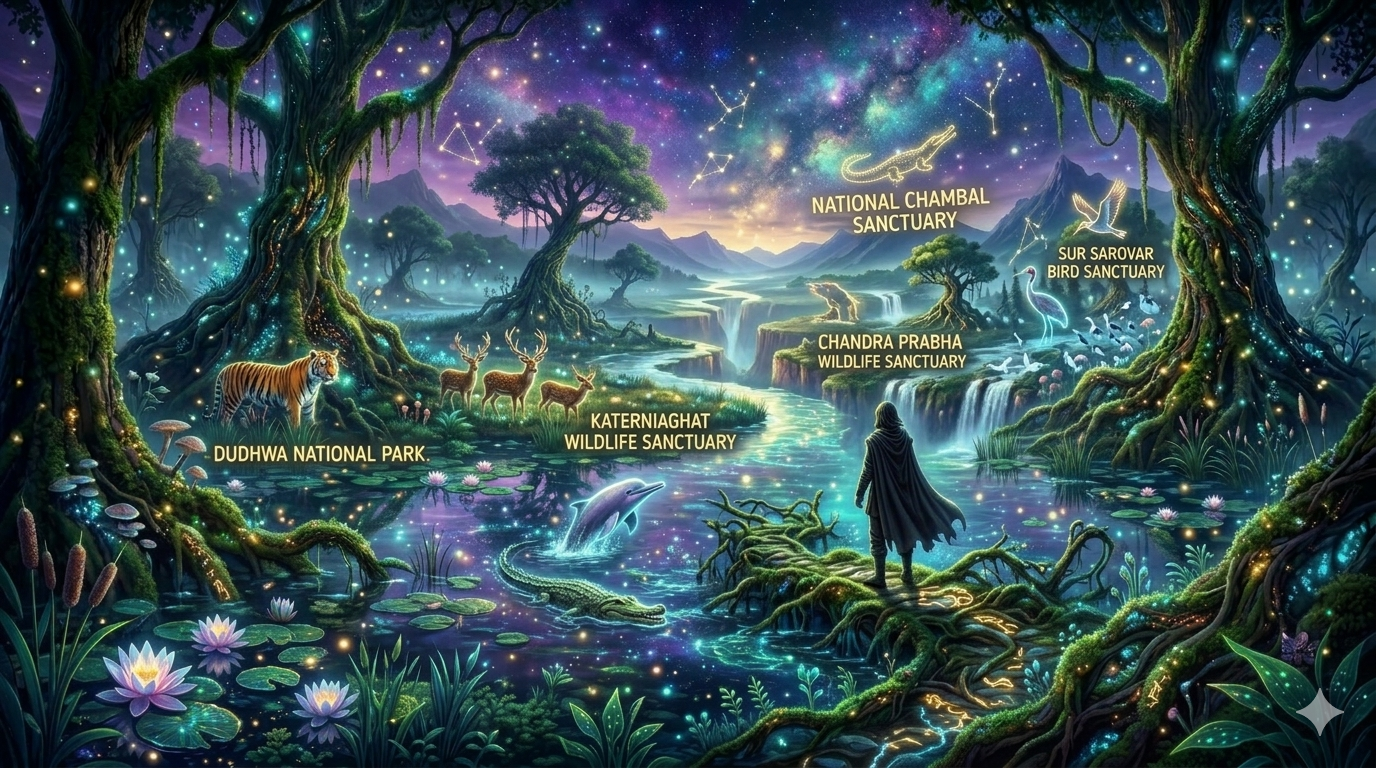
Protected areas such as Dudhwa National Park provide habitat for species like the Bengal Tiger, Indian Rhinoceros, and Swamp Deer. Environmental degradation threatens these ecosystems and species.
9. Climate Change Impacts
Climate change is increasingly affecting environmental conditions in Uttar Pradesh.
Key Changes Observed
- Rising Temperatures
Heat waves are becoming more frequent and intense. - Irregular Rainfall
Changing rainfall patterns affect agriculture and water availability. - Extreme Weather Events
Floods and droughts occur more frequently. - Impact on Agriculture
Crop yields are affected due to climate variability.
Long-Term Risks
- Food insecurity
- Water scarcity
- Health risks due to extreme heat
- Economic losses in agriculture
10. Urban Environmental Stress
Rapid urbanization in cities such as Varanasi and Prayagraj has created additional environmental pressures.
Major Urban Challenges
- Traffic Congestion
Leads to air pollution and noise pollution. - Water Supply Stress
Increasing demand exceeds available water resources. - Loss of Urban Green Spaces
Parks and natural areas are replaced by buildings. - Urban Heat Island Effect
Cities become hotter due to concrete structures and reduced vegetation.
Measures to Address Environmental Challenges
To address these environmental problems, a combination of government policies, technological solutions, and public participation is necessary.
Key Measures
- Strengthening Pollution Control Laws
Strict monitoring of industries and vehicles can reduce pollution. - Improving Waste Management Systems
Proper waste segregation, recycling, and scientific landfills are essential. - Promoting Sustainable Agriculture
Organic farming and efficient irrigation methods can protect soil and water resources. - Afforestation Programs
Increasing tree plantation can improve air quality and biodiversity. - River Conservation Initiatives
Programs like cleaning and rejuvenating rivers help restore water quality. - Public Awareness Campaigns
Educating citizens about environmental conservation is vital.
Conclusion
Environmental challenges in Uttar Pradesh are serious and multifaceted. Air pollution, water contamination, groundwater depletion, deforestation, soil degradation, biodiversity loss, and climate change collectively threaten the ecological sustainability of the state. These issues also directly impact human health, agricultural productivity, and economic development.
Addressing these challenges requires coordinated efforts from the government, industries, communities, and individuals. Sustainable development strategies, environmental education, and strict implementation of environmental regulations are essential to protect natural resources and ensure a healthier future for the people of Uttar Pradesh.
Only through balanced development and responsible environmental management can Uttar Pradesh move toward long-term ecological sustainability while maintaining its economic and social progress.