1. Introduction
Glaciers are large masses of ice that form over many years through the accumulation and compression of snow. They are found mainly in polar regions such as Antarctica and Greenland, as well as in high mountain ranges like the Himalayas, the Andes, and the Alps. Glaciers play a vital role in the Earth’s climate system and act as natural reservoirs of fresh water. They store vast quantities of water in frozen form and release it gradually through melting, which helps maintain river flow and supports ecosystems and human societies.
In recent decades, the melting of glaciers has accelerated due to rising global temperatures caused by climate change. The increased concentration of greenhouse gases in the atmosphere has intensified global warming, leading to higher temperatures that affect polar and mountainous regions more rapidly than other parts of the world. As glaciers melt at an alarming rate, scientists and environmentalists are raising concerns about the long-term consequences of this phenomenon.
The melting of glaciers has far-reaching environmental, social, and economic impacts. It influences sea level rise, water availability, ecosystems, agriculture, and even global weather patterns. These impacts are not limited to regions where glaciers exist but affect the entire planet.
Understanding the consequences of melting glaciers is essential for recognizing the seriousness of climate change and the need for global action to protect the environment.
2. Causes Behind the Rapid Melting of Glaciers
Rising Global Temperatures
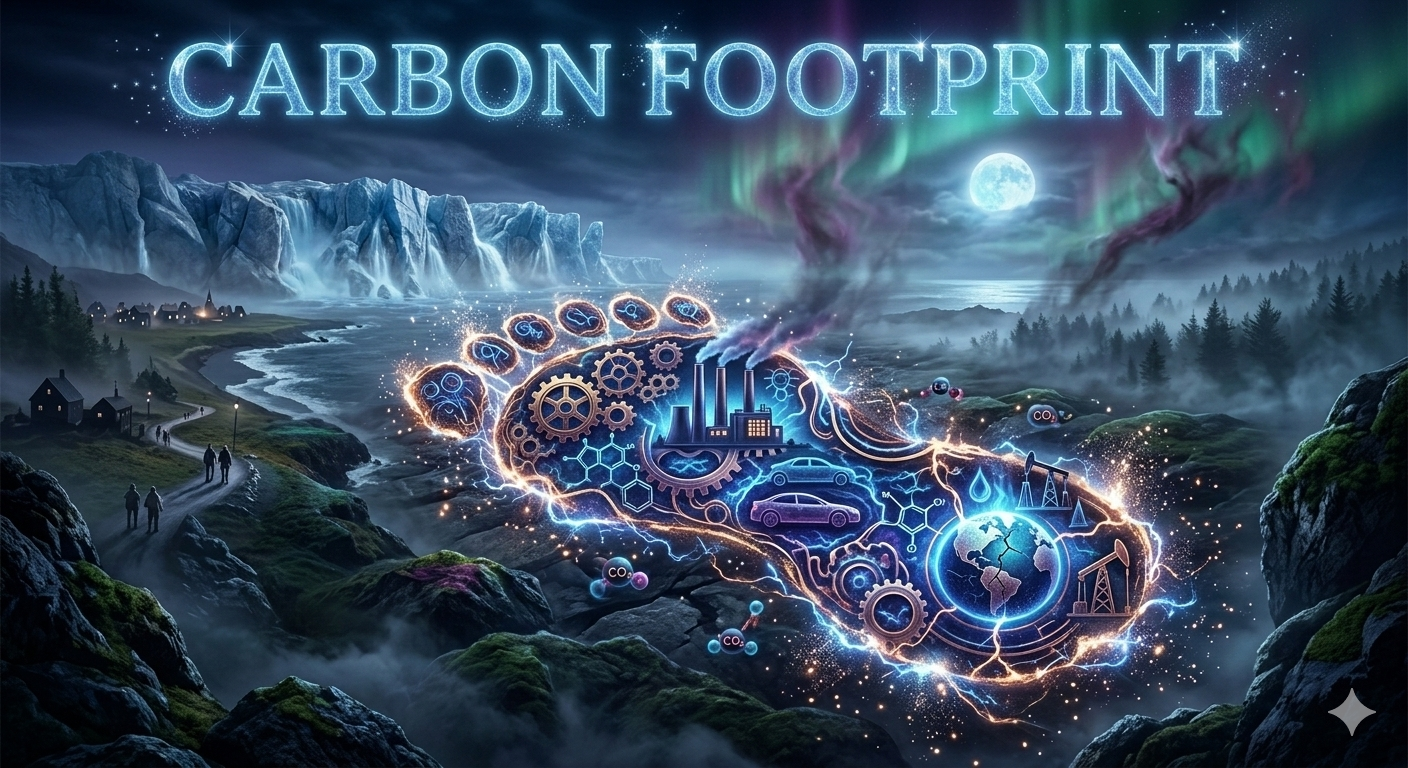
One of the primary reasons for glacier melting is the increase in global temperatures. Human activities such as burning fossil fuels, industrial emissions, and deforestation have increased greenhouse gas concentrations in the atmosphere. These gases trap heat and cause the Earth’s surface temperature to rise.
Higher temperatures lead to faster melting of glaciers, particularly in polar regions and mountainous areas.
Climate Change and Greenhouse Gas Emissions
Greenhouse gases such as carbon dioxide, methane, and nitrous oxide contribute significantly to global warming. As the atmosphere warms, ice sheets and glaciers lose mass more rapidly, accelerating the melting process.
Reduction in Snowfall
Another factor contributing to glacier melting is reduced snowfall in certain regions. Glaciers depend on regular snowfall to maintain their size and mass. When snowfall decreases, glaciers cannot replenish the ice lost through melting.
3. Rise in Global Sea Levels
Expansion of Ocean Water
One of the most significant consequences of melting glaciers is the rise in global sea levels. When glaciers melt, large amounts of fresh water flow into the oceans. This increases the overall volume of ocean water and leads to sea level rise.
Threat to Coastal Areas
Rising sea levels pose serious risks to coastal regions around the world. Many major cities, including those located near coastlines, may face flooding, land loss, and damage to infrastructure.
Low-lying island nations are particularly vulnerable. Some islands may even become uninhabitable if sea levels continue to rise.
Increased Coastal Erosion
Higher sea levels also contribute to coastal erosion. Waves reach further inland and gradually wear away beaches and coastal land, affecting both human settlements and natural habitats.
4. Impact on Freshwater Resources
Glaciers as Natural Water Reservoirs
Glaciers serve as important sources of freshwater for many rivers and lakes. In mountainous regions, glacier meltwater supports river systems that provide drinking water, irrigation, and hydroelectric power.
Water Scarcity in the Future
Initially, glacier melting may increase river flow. However, as glaciers continue to shrink, the long-term supply of water will decrease. This can lead to water shortages in regions that depend heavily on glacier-fed rivers.
Countries that rely on glaciers for freshwater resources may face severe water crises in the future.
Impact on Agriculture
Reduced water availability can significantly affect agriculture. Farmers depend on consistent water supply for irrigation. If glacier-fed rivers begin to dry up, agricultural productivity may decline, leading to food shortages and economic problems.
5. Increased Risk of Natural Disasters
Glacial Lake Outburst Floods (GLOFs)
As glaciers melt, large lakes can form behind natural ice or rock barriers. These lakes are unstable and may suddenly burst, releasing massive amounts of water.
This phenomenon is known as a glacial lake outburst flood. Such floods can destroy villages, infrastructure, and farmland located downstream.
Landslides and Avalanches
The melting of glaciers can destabilize mountain slopes. Ice that once supported rocks and soil disappears, making slopes more prone to landslides and avalanches.
These disasters can pose serious threats to communities living in mountainous regions.
6. Loss of Biodiversity and Ecosystems
Disruption of Natural Habitats
Glaciers and ice-covered regions support unique ecosystems. Many species of plants and animals have adapted to cold environments.
When glaciers melt, these habitats change rapidly, making it difficult for species to survive.
Threat to Wildlife
Animals such as polar bears, seals, and certain bird species rely on icy environments for survival. As ice melts, these species lose their hunting grounds and breeding areas.
This can lead to population decline and even extinction in extreme cases.
Changes in Aquatic Ecosystems
Glacier meltwater influences the temperature and composition of rivers and lakes. Sudden changes in water flow and temperature can disrupt aquatic ecosystems and affect fish populations.
7. Impact on Global Climate Patterns
Changes in Ocean Circulation
Freshwater released from melting glaciers can alter ocean currents. These currents play a crucial role in regulating global climate patterns.
Changes in ocean circulation may lead to shifts in weather systems, affecting rainfall patterns and temperature distribution around the world.
Amplification of Global Warming
Ice surfaces reflect sunlight back into space, helping regulate the Earth’s temperature. When glaciers melt, darker surfaces such as water or land absorb more heat.
This process, known as the albedo effect, accelerates global warming and further increases ice melting.
8. Socioeconomic Consequences
Threat to Human Settlements
Communities living near glaciers and coastal regions face increasing risks due to glacier melting. Flooding, water shortages, and environmental changes can disrupt livelihoods.
Impact on Tourism
Many regions depend on glaciers for tourism activities such as skiing, mountaineering, and sightseeing. As glaciers shrink, tourism industries may suffer economic losses.
Infrastructure Damage
Melting glaciers can damage roads, bridges, dams, and buildings. Floods and landslides caused by glacier retreat may destroy infrastructure and require costly repairs.
9. Cultural and Environmental Loss
Loss of Natural Heritage
Glaciers are an important part of the Earth’s natural heritage and landscape. Their disappearance would mean the loss of unique natural formations that have existed for thousands of years.
Impact on Indigenous Communities
Some indigenous communities have deep cultural and spiritual connections with glaciers and mountain environments. The loss of glaciers can affect traditional lifestyles, beliefs, and cultural identity.
10. Measures to Reduce Glacier Melting
Reduction of Greenhouse Gas Emissions
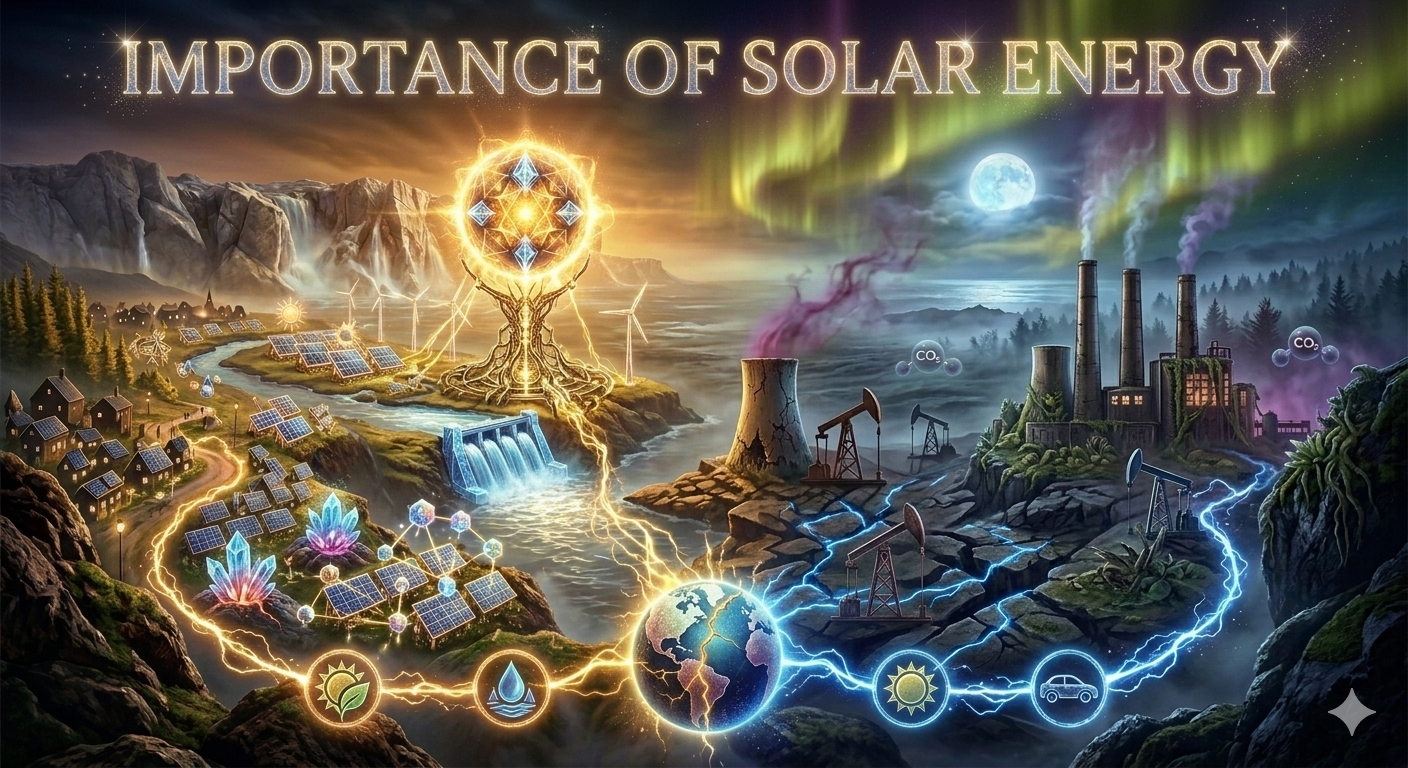
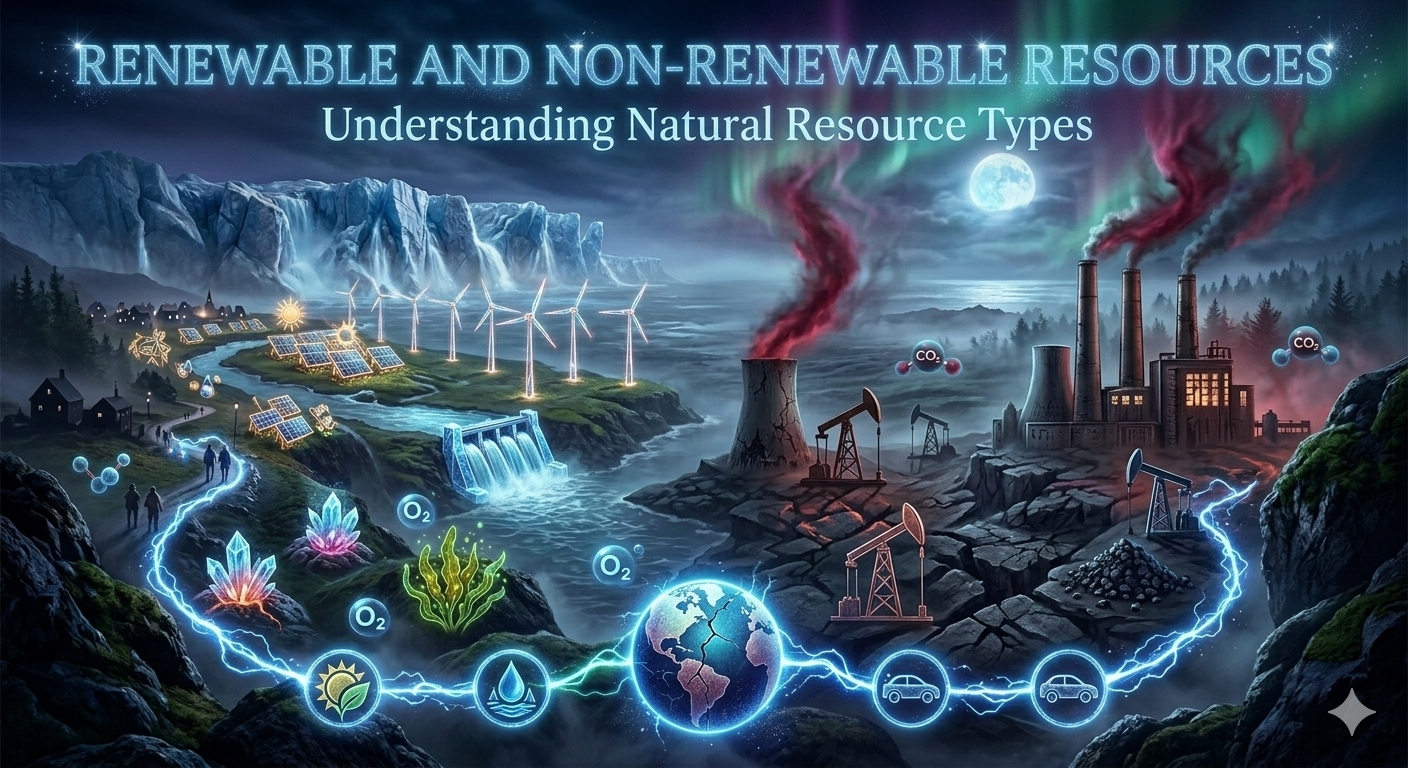
Reducing greenhouse gas emissions is the most effective way to slow global warming and protect glaciers. This can be achieved by shifting to renewable energy sources such as solar, wind, and hydroelectric power.
Forest Conservation
Forests absorb carbon dioxide and help regulate the climate. Protecting forests and preventing deforestation can help reduce global warming.
Sustainable Development
Adopting sustainable development practices can minimize environmental damage and promote long-term ecological balance.
International Climate Cooperation
Global agreements and international cooperation are essential for addressing climate change and protecting glaciers. Countries must work together to implement climate policies and reduce emissions.
11. Conclusion
The melting of glaciers is one of the most visible and alarming signs of climate change. Glaciers play a crucial role in regulating the Earth’s climate, supporting ecosystems, and providing freshwater resources to millions of people.
However, rising global temperatures are causing glaciers to melt at an unprecedented rate. This has serious consequences including sea level rise, water shortages, natural disasters, loss of biodiversity, and disruptions to global climate systems.
If current trends continue, the world may face severe environmental and socioeconomic challenges in the coming decades. Therefore, urgent action is required to reduce greenhouse gas emissions, promote sustainable development, and strengthen international cooperation.
Protecting glaciers is not only important for preserving natural landscapes but also for ensuring the long-term stability of the Earth’s environment and the well-being of future generations.