Introduction
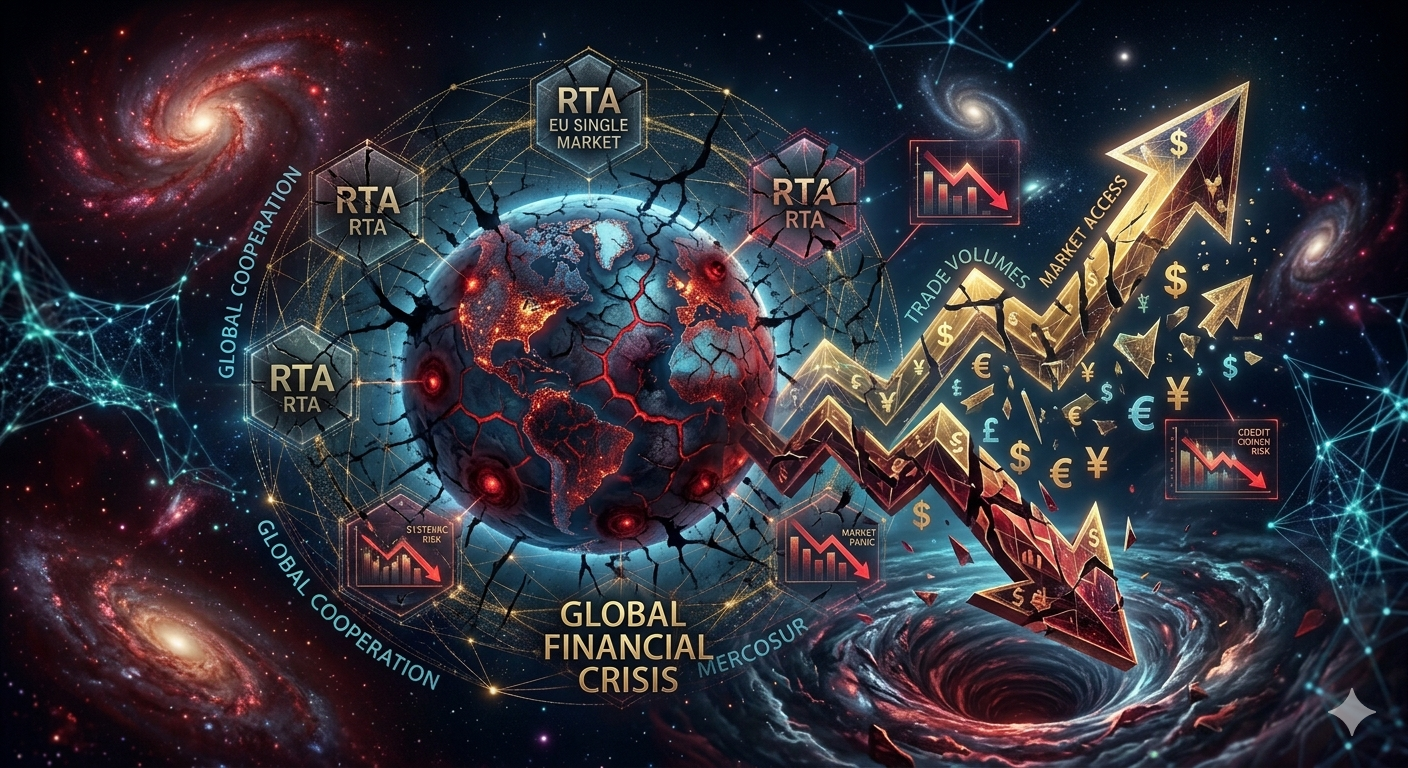
The Global Financial Crisis of 2008 stands as one of the most severe economic disruptions since the Great Depression of the 1930s. Originating in the United States, the crisis rapidly spread across the globe due to deep financial interconnectedness, leading to widespread economic instability, recession, and unemployment.
The crisis exposed fundamental weaknesses in the global financial system, including excessive risk-taking, inadequate regulation, and flawed financial innovations. Its consequences were not confined to developed economies but had far-reaching impacts on developing countries as well. This essay analyzes the key causes behind the crisis and evaluates its global consequences in a structured manner.
Background of the Crisis
Pre-Crisis Economic Environment
In the years leading up to 2008, the global economy experienced rapid growth, low inflation, and easy access to credit. Financial markets were characterized by:
- High liquidity and low interest rates
- Expansion of credit markets
- Growth of complex financial instruments
This environment created a false sense of stability and encouraged excessive risk-taking by financial institutions.
Causes of the Global Financial Crisis
Housing Bubble in the United States
Rise in Housing Prices
One of the primary causes of the crisis was the rapid increase in housing prices in the United States. Easy credit conditions allowed more people to purchase homes, leading to a speculative bubble.
Subprime Mortgage Lending
Banks and financial institutions extended loans to borrowers with poor credit histories, known as subprime borrowers. These loans carried high risks of default.
Financial Innovation and Complex Instruments
Mortgage-Backed Securities (MBS)
Banks bundled home loans into securities and sold them to investors, spreading risk across the financial system.
Collateralized Debt Obligations (CDOs)
These complex instruments further repackaged MBS into new financial products, making risk assessment difficult.
Lack of Transparency
Investors and regulators failed to fully understand the risks associated with these instruments.
Excessive Risk-Taking by Financial Institutions
High Leverage
Banks borrowed heavily to invest in high-return assets, increasing their vulnerability to losses.
Short-Term Profit Motives
Financial institutions prioritized short-term gains over long-term stability.
Failure of Regulatory Mechanisms
Weak Financial Regulation
Regulatory authorities failed to monitor and control risky financial practices.
Inadequate Oversight
Credit rating agencies underestimated the risks of financial products, giving high ratings to risky securities.
Global Financial Imbalances
Savings-Investment Imbalance
Countries like China accumulated large savings, while countries like United States consumed heavily, leading to imbalances.
Excess Liquidity
Global capital flows created an environment of easy credit, fueling asset bubbles.
Collapse of Major Financial Institutions
Lehman Brothers Bankruptcy
The failure of major institutions like Lehman Brothers triggered panic in global financial markets.
Loss of Confidence
Investors lost trust in financial institutions, leading to a credit freeze.
Global Consequences of the Crisis
Economic Recession
Decline in Global GDP
The crisis led to a significant contraction in global economic output.
Fall in Industrial Production
Manufacturing and industrial activities declined sharply across countries.
Unemployment and Social Impact
Rising Job Losses
Millions of people lost their jobs as companies reduced production and investment.
Increase in Poverty
Developing countries experienced setbacks in poverty reduction efforts.
Financial Sector Instability
Bank Failures
Several banks collapsed or required government bailouts.
Credit Crunch
Lending activities slowed down, affecting businesses and consumers.
Impact on Global Trade
Decline in Trade Volumes
International trade contracted due to reduced demand.
Protectionist Tendencies
Some countries adopted protectionist measures to safeguard domestic industries.
Impact on Developing Countries
Capital Outflows
Investors withdrew funds from emerging markets, leading to financial instability.
Currency Depreciation
Many developing countries experienced sharp currency declines.
Reduced Export Demand
Global recession reduced demand for exports from developing nations.
Government and Policy Responses
Monetary Policy Measures
Interest Rate Cuts
Central banks reduced interest rates to stimulate economic activity.
Quantitative Easing
Large-scale asset purchases increased liquidity in financial markets.
Fiscal Policy Measures
Stimulus Packages
Governments introduced spending programs to boost demand.
Bank Bailouts
Financial institutions received government support to prevent collapse.
Role of International Institutions
International Monetary Fund (IMF)
The International Monetary Fund provided financial assistance to affected countries.
World Bank
The World Bank supported development projects and economic recovery.
Long-Term Consequences
Financial Sector Reforms
- Strengthening of banking regulations
- Introduction of stricter capital requirements
Shift in Global Economic Power
Emerging economies gained greater importance in the global economy.
Increased Public Debt
Government spending during the crisis led to higher debt levels.
Rise of Economic Nationalism
Countries became more cautious about globalization and free trade.
Lessons from the Crisis
Need for Strong Regulation
Effective oversight is essential to prevent excessive risk-taking.
Importance of Financial Transparency
Clear information about financial products reduces uncertainty.
Global Cooperation
International coordination is necessary to manage global crises.
Sustainable Economic Policies
Balanced growth and prudent fiscal management are crucial.
Conclusion
The Global Financial Crisis of 2008 was a defining moment in modern economic history, revealing deep vulnerabilities in the global financial system. Its causes were rooted in excessive risk-taking, weak regulation, and global imbalances, while its consequences were widespread and long-lasting.
The crisis not only disrupted economies but also reshaped global financial governance and policy frameworks. It highlighted the need for stronger institutions, better regulation, and enhanced international cooperation.
In conclusion, while the global economy has recovered to a large extent, the lessons of the 2008 crisis remain highly relevant. Ensuring financial stability requires continuous vigilance, prudent policymaking, and a commitment to sustainable and inclusive growth.