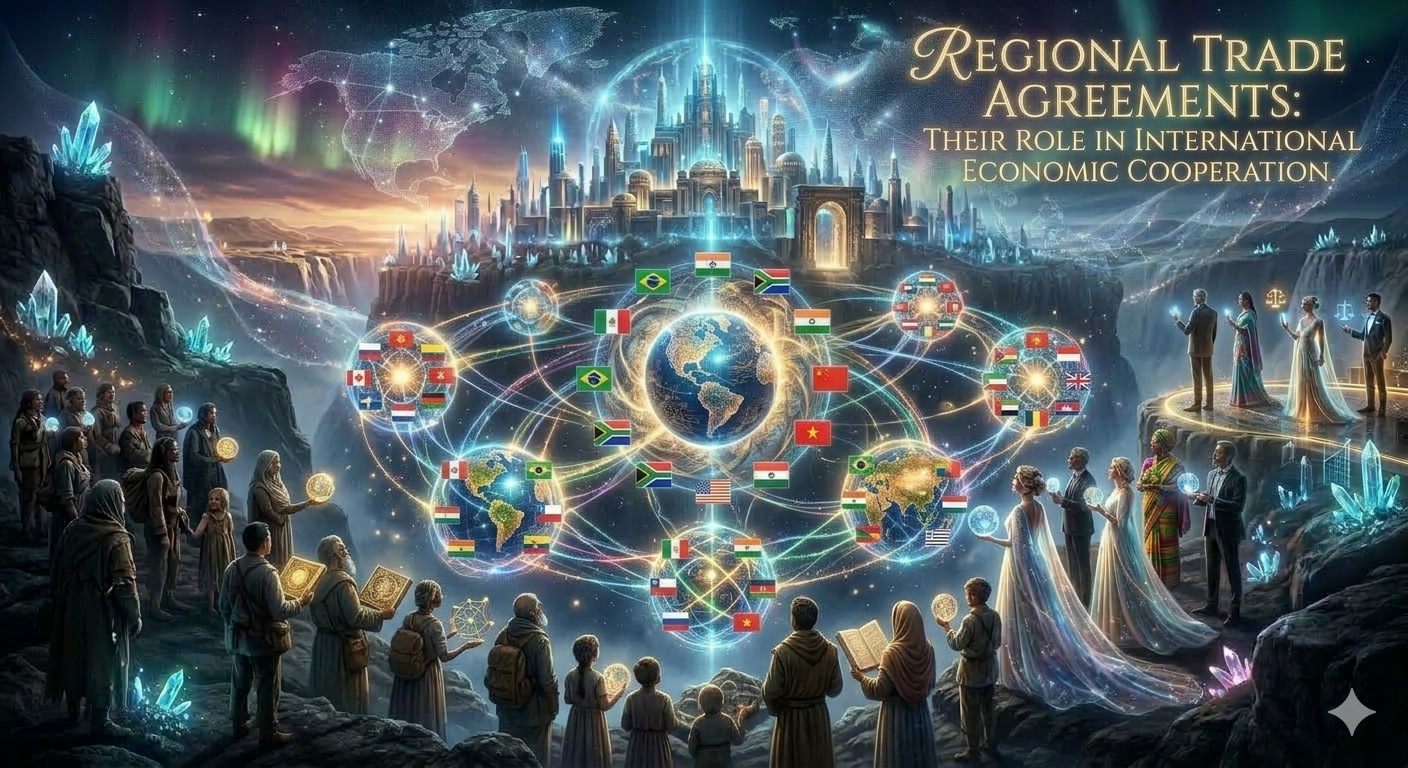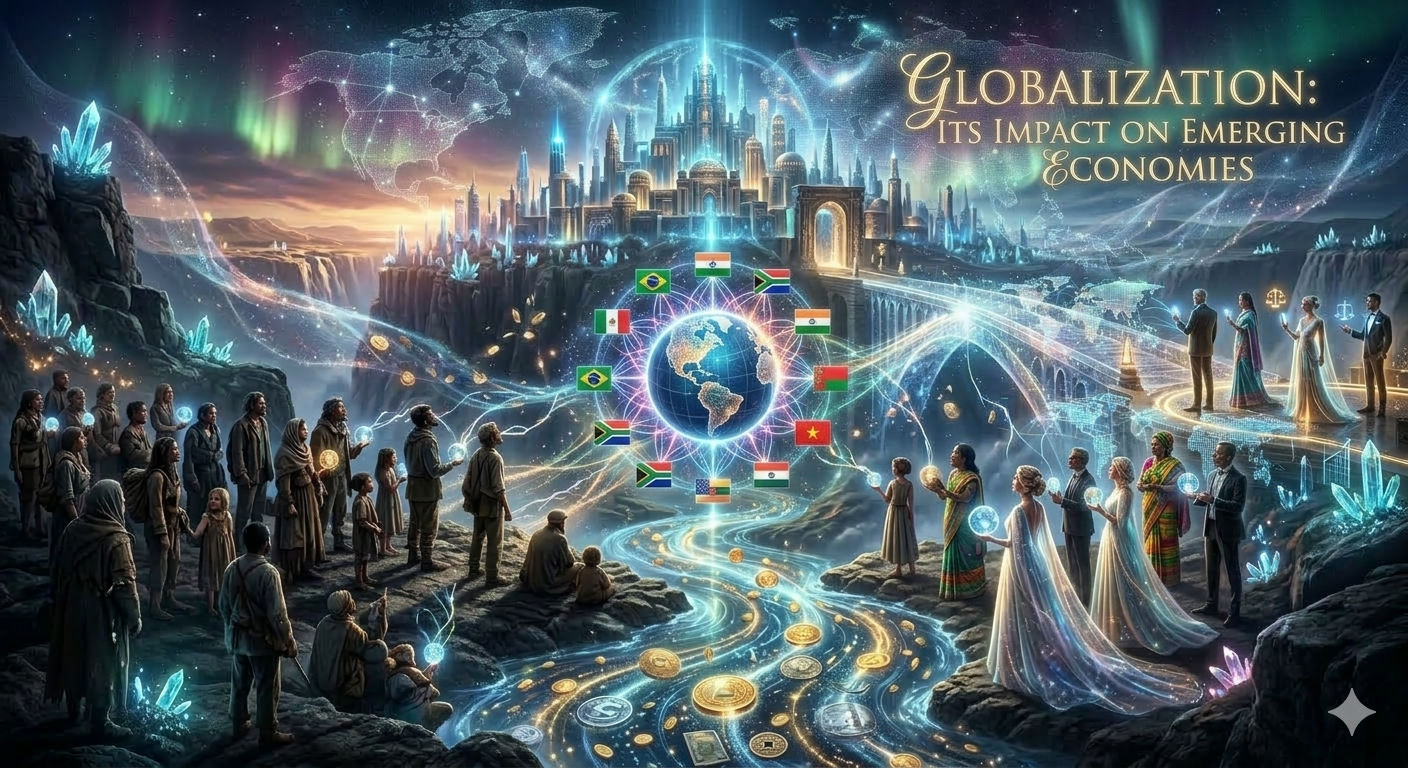
Globalization has become one of the most influential forces shaping the international economic system in the modern era. It refers to the increasing interconnectedness of countries through trade, investment, technology, migration, and cultural exchange. Over the last few decades, globalization has transformed the structure of the world economy by integrating national markets into a global network of economic interactions.
Advancements in transportation, digital communication, and international institutions have accelerated the pace of globalization. As a result, goods, services, capital, and information now move across borders more rapidly than ever before. Institutions such as the World Trade Organization and the International Monetary Fund have played a significant role in promoting international economic cooperation and facilitating global economic integration.
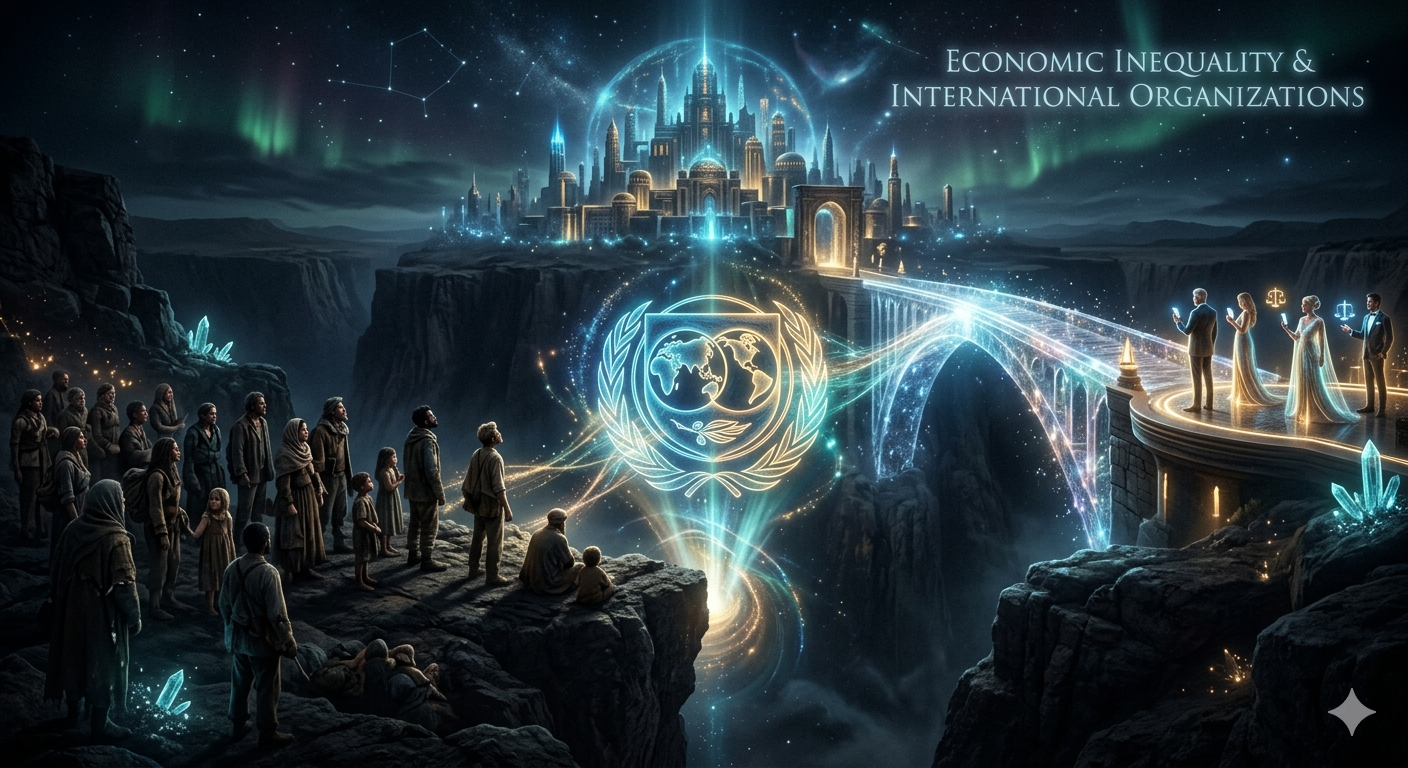
Globalization has helped create a more interconnected international economic order in which countries depend on one another for trade, technology, and investment. However, the effects of globalization are not uniform across all nations. While developed economies have benefited from technological leadership and capital resources, emerging economies have experienced both opportunities and challenges as they integrate into the global economic system.
Understanding the role of globalization in shaping the international economic order and analyzing its implications for emerging economies is essential for evaluating the future of global economic governance.
Understanding Globalization and the International Economic Order
Meaning of Globalization
Globalization refers to the process through which national economies become increasingly integrated with one another through trade, financial flows, technology transfer, and the movement of people and ideas. It represents the expansion of economic interactions beyond national borders and the creation of a global economic system.
In the context of the international economy, globalization facilitates cooperation among countries, encourages economic interdependence, and promotes the exchange of goods, services, and knowledge.
Evolution of the International Economic Order
The international economic order has evolved through several historical phases. After the Second World War, global institutions and agreements were established to promote economic stability and cooperation.
Key developments included the establishment of institutions such as the World Bank and the International Monetary Fund to support reconstruction and economic stability. Over time, international trade agreements and financial cooperation mechanisms strengthened economic integration among nations.
Globalization accelerated significantly in the late twentieth century due to technological advancements, liberalization of trade policies, and the expansion of multinational corporations.
Role of Globalization in Shaping the International Economic Order
1. Expansion of International Trade
One of the most visible impacts of globalization is the expansion of international trade. Countries now specialize in producing goods and services in which they have comparative advantages and exchange them in global markets.
International trade agreements have reduced tariffs and other trade barriers, making it easier for countries to participate in global commerce. As a result, global supply chains have emerged, connecting producers and consumers across continents.
2. Growth of Global Financial Integration
Globalization has facilitated the integration of financial markets across the world. Capital can now move rapidly between countries in the form of foreign direct investment, portfolio investment, and international loans.
Financial institutions and multinational corporations invest in emerging markets to expand production and access new consumer markets. This flow of capital supports economic development and industrial expansion in many countries.
3. Technological Diffusion and Innovation
Technological innovation has played a central role in globalization. Advances in communication technologies, digital platforms, and transportation systems have significantly reduced the cost of international transactions.
Emerging economies benefit from access to advanced technologies and knowledge transfer through international partnerships and investments.
4. Expansion of Multinational Corporations
Multinational corporations operate across multiple countries and contribute significantly to global economic integration. These corporations establish production facilities, research centers, and distribution networks in different regions.
Their activities create employment opportunities, promote industrial development, and stimulate technological innovation in host countries.
5. Creation of Global Production Networks
Globalization has led to the development of complex global production networks. Instead of producing goods entirely within one country, companies distribute different stages of production across several countries.
For example, raw materials may be sourced from one region, components manufactured in another, and final products assembled elsewhere.
6. Strengthening International Economic Institutions
Globalization has strengthened the role of international institutions that regulate trade, finance, and economic cooperation. Organizations such as the World Trade Organization help establish rules for fair trade and dispute resolution.
These institutions contribute to stability and predictability in the global economic system.
Advantages of Globalization for Emerging Economies
1. Access to Global Markets
Globalization provides emerging economies with access to international markets. By exporting goods and services to developed countries, emerging economies can expand their industries and generate foreign exchange earnings.
Export-led growth strategies have helped several emerging economies achieve rapid economic development.
2. Attraction of Foreign Direct Investment
Foreign direct investment (FDI) plays a crucial role in the economic development of emerging economies. Globalization encourages multinational corporations to invest in countries with favorable economic conditions and competitive labor costs.
Such investments contribute to infrastructure development, industrial growth, and job creation.
3. Technology Transfer and Skill Development
International collaboration allows emerging economies to acquire advanced technologies and technical expertise. Technology transfer improves productivity and enhances industrial competitiveness.
Workers also benefit from skill development and training programs associated with foreign investments.
4. Economic Diversification
Globalization encourages emerging economies to diversify their economic activities. Instead of relying solely on agriculture or natural resources, many countries develop manufacturing and service industries.
Economic diversification enhances resilience against economic shocks.
5. Improvement in Infrastructure
Foreign investment and international development programs often support infrastructure projects such as transportation networks, energy systems, and communication technologies.
Improved infrastructure strengthens economic productivity and connectivity.
6. Integration into Global Value Chains
Emerging economies increasingly participate in global value chains, where different stages of production occur in different countries.
Participation in these networks enables countries to specialize in specific manufacturing processes and integrate into global industrial systems.
Challenges of Globalization for Emerging Economies
1. Economic Dependence on Global Markets
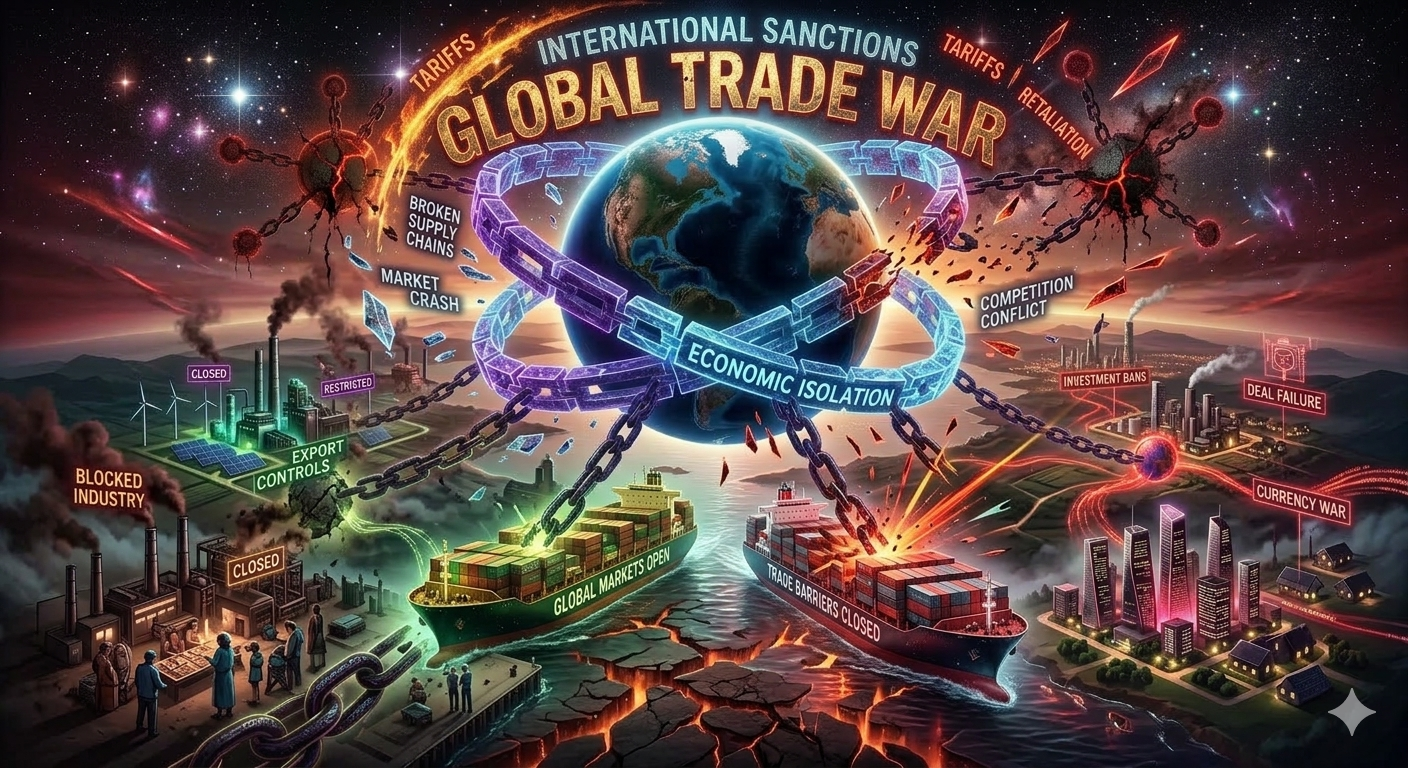
While globalization provides opportunities for growth, it also increases dependence on global markets. Economic downturns in major economies can negatively affect exports and investments in emerging countries.
Such dependence can create economic instability.
2. Vulnerability to Financial Crises
Global financial integration exposes emerging economies to sudden capital flows and financial volatility. Investors may rapidly withdraw funds during periods of economic uncertainty.
This can lead to currency depreciation, inflation, and financial crises.
3. Unequal Distribution of Benefits
The benefits of globalization are not always evenly distributed within countries. Urban areas and skilled workers often benefit more than rural communities and low-skilled labor.
Such disparities can increase social and economic inequality.
4. Pressure on Domestic Industries
Emerging economies may face intense competition from multinational corporations and imported goods. Domestic industries that lack technological capability may struggle to compete with global firms.
This competition can lead to job losses in certain sectors.
5. Environmental Challenges
Industrial expansion and increased economic activity associated with globalization can lead to environmental degradation.
Rapid urbanization, resource depletion, and pollution pose significant challenges for sustainable development.
6. Cultural and Economic Homogenization
Globalization may lead to cultural homogenization and the dominance of global economic models that do not always align with local traditions or social structures.
Some critics argue that globalization may reduce economic sovereignty.
Case Studies of Emerging Economies
Economic Transformation in China
One of the most prominent examples of globalization’s impact is the economic transformation of China. Through export-led growth, foreign investment, and industrial expansion, China integrated deeply into global markets and became a major manufacturing hub.
Growth of India’s Service Sector
Globalization has also supported the expansion of the technology and service sectors in India. Information technology services, outsourcing, and digital industries have connected India with global markets and created millions of jobs.
Strategies for Maximizing the Benefits of Globalization
Emerging economies can adopt several strategies to harness globalization effectively:
- Strengthening domestic industries and innovation systems
- Investing in education and human capital development
- Promoting sustainable environmental policies
- Diversifying export markets and industries
- Strengthening financial regulations to manage capital flows
Such strategies help countries balance economic openness with national development priorities.
Conclusion
Globalization has played a transformative role in shaping the modern international economic order. By promoting trade, investment, technological exchange, and economic cooperation, globalization has created an interconnected global economy in which nations depend on one another for growth and prosperity.
For emerging economies, globalization offers significant opportunities, including access to global markets, foreign investment, technological advancement, and industrial diversification. These opportunities have enabled many countries to accelerate economic development and improve living standards.
However, globalization also presents challenges such as economic vulnerability, unequal distribution of benefits, environmental pressures, and dependence on global markets. To address these challenges, emerging economies must adopt balanced economic policies that strengthen domestic capabilities while remaining engaged with the global economy.
International cooperation and effective economic governance remain essential for ensuring that globalization contributes to inclusive and sustainable development for all nations.