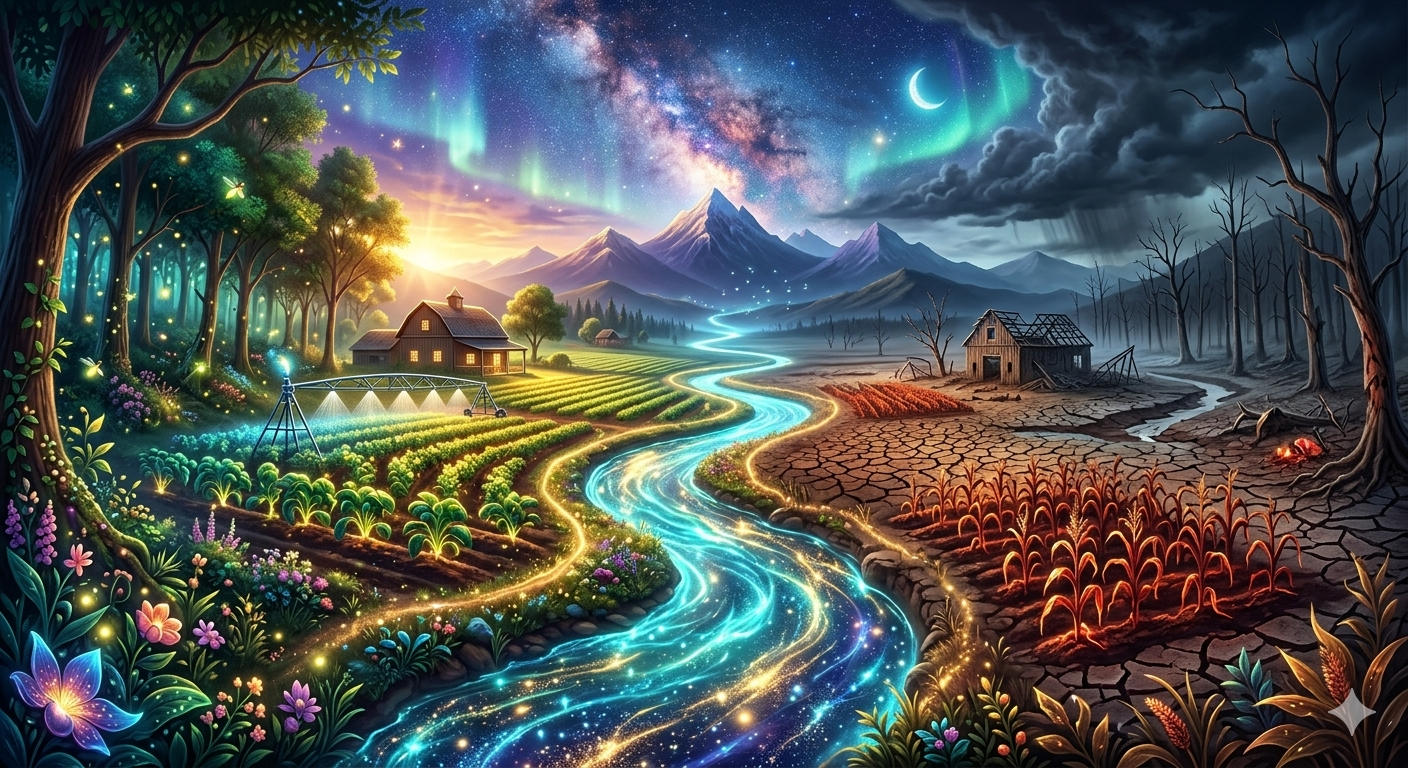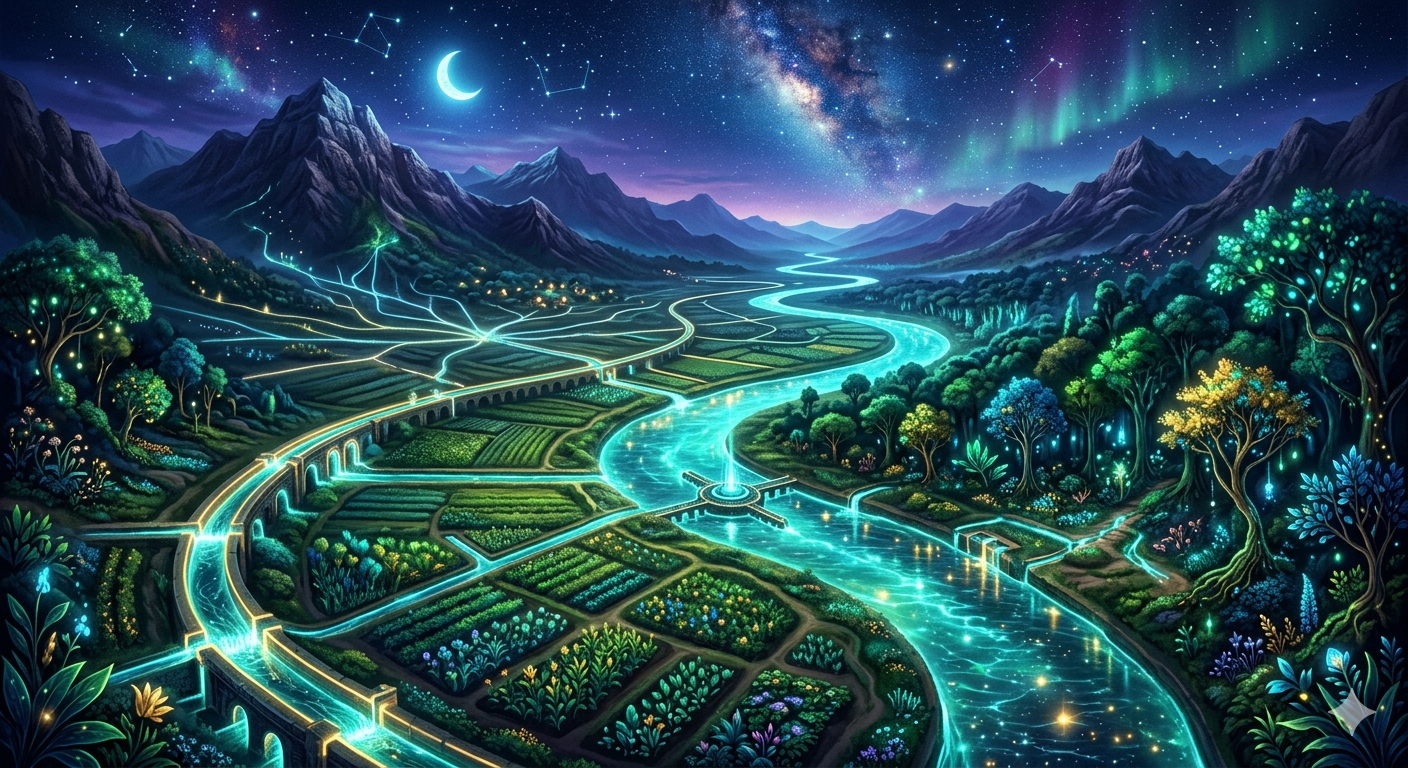
Irrigation systems are an essential component of modern agriculture and rural development. They involve the artificial application of water to soil in order to support crop growth when natural rainfall is insufficient. While irrigation has significantly increased agricultural productivity and food security across the world, it also has profound effects on ecological balance. Ecological balance refers to the stable relationship among living organisms and their physical environment, where natural processes maintain equilibrium within ecosystems.
The relationship between irrigation systems and ecological balance is complex and multidimensional. On one hand, irrigation can enhance soil productivity, support biodiversity in agro-ecosystems, and sustain human livelihoods. On the other hand, poorly planned irrigation practices can lead to environmental degradation such as soil salinization, waterlogging, depletion of groundwater resources, and disruption of natural ecosystems. Therefore, understanding this relationship is crucial for promoting sustainable agriculture and protecting natural ecosystems.
This discussion examines the concept of irrigation systems, their types, their positive and negative impacts on ecological balance, and the importance of sustainable irrigation practices.
Understanding Irrigation Systems
Definition and Concept
Irrigation refers to the controlled supply of water to agricultural land using artificial methods such as canals, wells, pumps, or modern technological systems. It is particularly important in regions where rainfall is irregular or insufficient for crop production.
The primary objectives of irrigation include:
- Ensuring adequate water supply for crops during dry periods
- Increasing agricultural productivity and crop yields
- Supporting multiple cropping systems
- Reducing dependence on unpredictable rainfall
However, irrigation systems interact closely with soil, water, plants, and living organisms, making them an important factor influencing ecological balance.
Types of Irrigation Systems
1. Surface Irrigation
Surface irrigation is the oldest and most widely used irrigation method. Water flows across the land by gravity through canals and channels.
Examples include:
- Flood irrigation
- Basin irrigation
- Furrow irrigation
Ecological Impact:
Surface irrigation can recharge groundwater and support soil moisture but excessive use may lead to waterlogging and soil degradation.
2. Sprinkler Irrigation
In sprinkler irrigation, water is sprayed over crops in the form of artificial rainfall using pipes and sprinklers.
Advantages for Ecology:
- Efficient water use
- Reduced soil erosion
- Uniform water distribution
However, improper use can increase evaporation losses and energy consumption.
3. Drip Irrigation
Drip irrigation delivers water directly to plant roots through pipes and emitters.
Ecological Benefits:
- Minimal water wastage
- Reduced weed growth
- Prevention of soil erosion
This system is considered one of the most environmentally sustainable irrigation techniques.
4. Subsurface Irrigation
Subsurface irrigation involves delivering water below the soil surface to maintain moisture levels in the root zone.
Ecological Significance:
- Reduced evaporation
- Efficient water use
- Improved soil moisture management
However, it requires careful monitoring to prevent salt accumulation in the soil.
Concept of Ecological Balance
Ecological balance refers to the equilibrium between living organisms and their environment where natural systems function sustainably without excessive disturbance.
Key components of ecological balance include:
- Soil health
- Water resources
- Biodiversity
- Climate interactions
- Nutrient cycles
Any human activity, including irrigation, can either support or disrupt this balance depending on how it is managed.
Positive Relationship Between Irrigation and Ecological Balance
When properly planned and managed, irrigation systems can support ecological stability and environmental sustainability.
1. Enhancement of Agricultural Productivity
Irrigation allows crops to grow even in dry regions, ensuring stable food production. Increased productivity reduces pressure on natural ecosystems such as forests because farmers do not need to clear additional land.
Key benefits include:
- Higher crop yields
- Improved food security
- Efficient land utilization
This helps maintain ecological balance by reducing deforestation and land degradation.
2. Maintenance of Soil Moisture and Fertility
Adequate irrigation maintains soil moisture levels, which is essential for plant growth and soil microbial activity.
Positive effects include:
- Improved soil structure
- Enhanced nutrient availability
- Increased organic matter decomposition
Healthy soils support a diverse community of microorganisms that contribute to ecological stability.
3. Support for Agro-biodiversity
Irrigation enables farmers to cultivate a wider variety of crops. Diverse cropping systems support insects, birds, and microorganisms that contribute to ecosystem functioning.
Benefits include:
- Increased habitat diversity
- Promotion of pollinators
- Improved resilience of farming systems
Thus, irrigation can indirectly enhance biodiversity within agricultural landscapes.
4. Groundwater Recharge
In some cases, irrigation canals and surface irrigation methods allow water to seep into the ground, helping recharge underground aquifers.
Ecological advantages include:
- Stabilization of groundwater levels
- Support for wetlands and rivers
- Maintenance of natural vegetation
Groundwater recharge is particularly important in semi-arid regions.
5. Prevention of Drought Stress
Irrigation protects crops from drought conditions, ensuring agricultural sustainability even during climate variability.
This reduces the vulnerability of ecosystems to extreme environmental conditions.
Negative Impacts of Irrigation on Ecological Balance
Despite its benefits, irrigation can disrupt ecological systems if poorly managed.
1. Waterlogging
Excessive irrigation may lead to water accumulation in soil, known as waterlogging.
Consequences include:
- Reduced oxygen in soil
- Damage to plant roots
- Decline in crop productivity
Waterlogged soils also disturb soil microorganisms and plant ecosystems.
2. Soil Salinization
In arid and semi-arid regions, irrigation water often contains dissolved salts. When water evaporates, these salts accumulate in the soil.
Impacts include:
- Reduced soil fertility
- Damage to crops
- Loss of agricultural productivity
Salinization is a major ecological problem in irrigated areas worldwide.
3. Depletion of Groundwater Resources
Overuse of groundwater for irrigation can lower water tables.
Consequences include:
- Drying of wells and springs
- Reduced water availability for ecosystems
- Land subsidence in extreme cases
Unsustainable groundwater extraction threatens long-term ecological stability.
4. Loss of Natural Ecosystems
Large irrigation projects such as dams and canals often alter natural landscapes.
Environmental effects include:
- Destruction of forests and wetlands
- Disruption of wildlife habitats
- Alteration of river ecosystems
These changes can significantly disturb ecological balance.
5. Pollution from Agricultural Chemicals
Irrigation water often carries fertilizers, pesticides, and herbicides into nearby rivers and lakes.
This leads to:
- Water pollution
- Harm to aquatic organisms
- Eutrophication of water bodies
Such pollution can severely damage aquatic ecosystems.
6. Spread of Waterborne Diseases
Stagnant water in irrigation canals and reservoirs can become breeding grounds for disease-carrying organisms.
Examples include mosquitoes and parasites that cause diseases such as malaria and schistosomiasis.
Thus, irrigation infrastructure may indirectly influence public health and ecological conditions.
Irrigation and Climate Change Interaction
Irrigation systems also interact with climate systems in several ways.
Positive Contributions
- Increased vegetation cover can improve carbon absorption
- Better soil moisture can moderate local climate conditions
Negative Contributions
- Energy consumption in irrigation pumps increases carbon emissions
- Water diversion may affect regional climate patterns
Therefore, climate-sensitive irrigation management is necessary.
Sustainable Irrigation for Ecological Balance
To maintain ecological stability, irrigation systems must be designed and managed sustainably.
1. Efficient Water Management
Adopting water-efficient techniques such as drip irrigation and sprinkler systems reduces water wastage and environmental damage.
2. Integrated Water Resource Management
This approach considers the needs of agriculture, ecosystems, and human communities together.
It ensures balanced use of water resources.
3. Soil Conservation Practices
Methods such as:
- Crop rotation
- Organic farming
- Mulching
help maintain soil health and prevent degradation.
4. Use of Modern Technology
Technologies like remote sensing, soil moisture sensors, and automated irrigation systems improve water efficiency.
These innovations reduce environmental impacts and enhance sustainability.
5. Protection of Wetlands and Rivers
Irrigation planning should ensure that natural water bodies continue to receive sufficient water for ecological functioning.
Protecting wetlands is essential for maintaining biodiversity.
Case Study: Irrigation and Ecological Challenges in India
India has one of the largest irrigation networks in the world. Major irrigation projects such as dams and canals have significantly boosted agricultural production.
However, they have also created ecological challenges such as:
- Waterlogging in Punjab and Haryana
- Soil salinity in Rajasthan and Gujarat
- Groundwater depletion in many states
At the same time, modern initiatives such as micro-irrigation, watershed management, and sustainable farming practices are being promoted to address these challenges.
These measures aim to balance agricultural development with environmental conservation.
Future Prospects for Eco-Friendly Irrigation
The future of irrigation must focus on sustainability and ecological balance.
Important strategies include:
- Adoption of climate-resilient irrigation systems
- Promotion of water-saving technologies
- Integration of ecological principles in agricultural planning
- Community participation in water management
These approaches can ensure that irrigation supports both food security and environmental protection.
Conclusion
Irrigation systems play a crucial role in supporting agriculture and ensuring food security, especially in regions where rainfall is insufficient. At the same time, irrigation has a strong influence on ecological balance because it affects soil health, water resources, biodiversity, and natural ecosystems.
When properly managed, irrigation can enhance soil fertility, support biodiversity, and improve environmental stability. However, excessive or poorly planned irrigation can lead to serious ecological problems such as waterlogging, salinization, groundwater depletion, and ecosystem disruption.
Therefore, the key challenge is to balance agricultural needs with environmental sustainability. By adopting modern irrigation technologies, efficient water management practices, and ecological conservation strategies, it is possible to maintain both agricultural productivity and ecological balance.
Sustainable irrigation is not only necessary for current food production but also for preserving the natural environment for future generations.