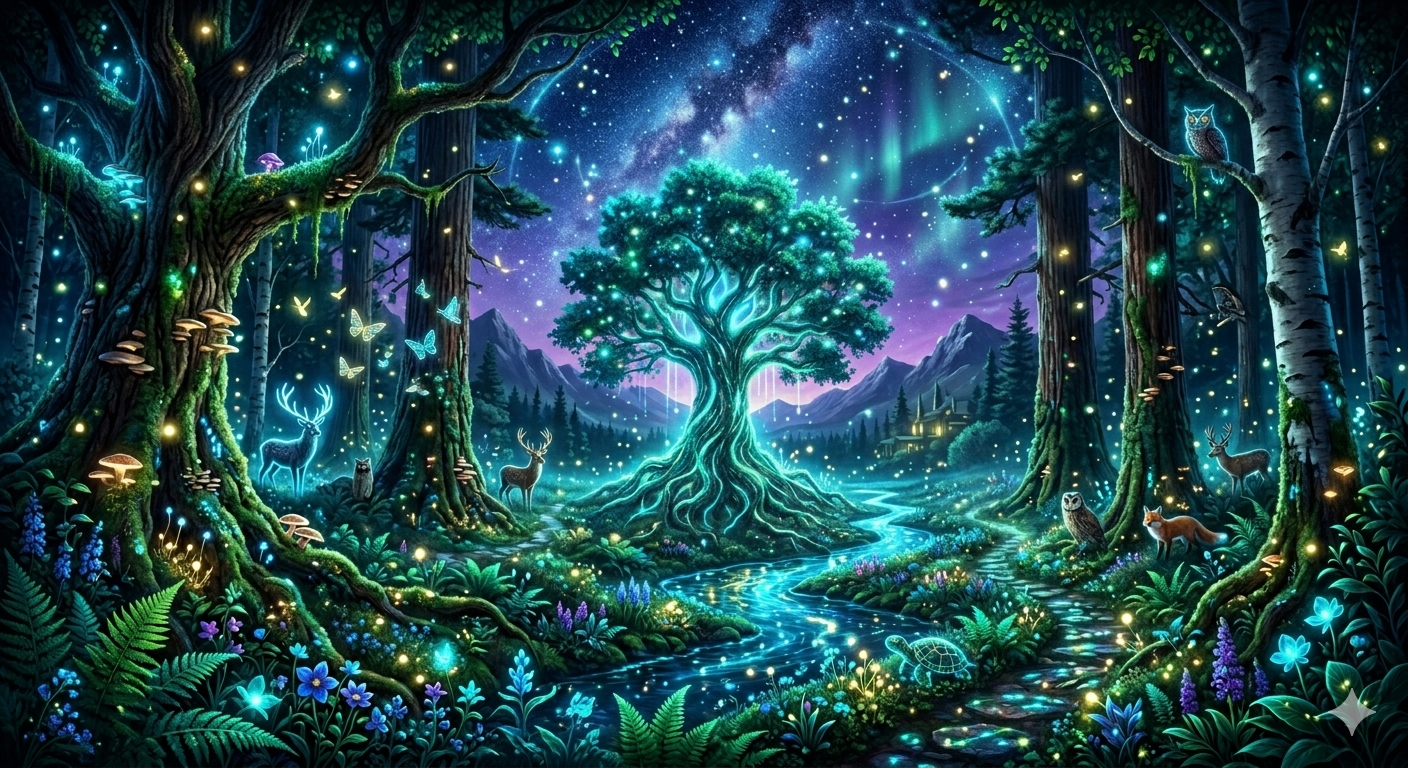
Wildlife is an essential component of the Earth’s natural environment and plays a crucial role in maintaining ecological balance. The term wildlife refers to all living organisms that exist naturally in forests, grasslands, deserts, wetlands, oceans, and other natural habitats without direct human domestication. These organisms include mammals, birds, reptiles, amphibians, fish, insects, and countless microorganisms that together form complex ecosystems.
Over the past century, wildlife populations around the world have declined rapidly due to factors such as habitat destruction, deforestation, pollution, climate change, illegal hunting, and urban expansion. Many species are now endangered or at risk of extinction. The loss of wildlife not only threatens biodiversity but also disrupts ecological processes that support life on Earth.
Wildlife conservation refers to the protection, preservation, and sustainable management of wildlife species and their habitats so that they can survive and thrive for future generations. Conservation efforts involve scientific research, legal protection, habitat restoration, community participation, and environmental education.
The objectives of wildlife conservation are broad and multifaceted. They aim to protect biodiversity, maintain ecological balance, preserve genetic diversity, and ensure sustainable use of natural resources. Understanding these objectives is essential for developing effective strategies to protect wildlife and maintain environmental sustainability.
Understanding Wildlife Conservation
Definition of Wildlife Conservation
Wildlife conservation refers to the planned and systematic protection of wild animals and plants along with their natural habitats. It aims to prevent the extinction of species, maintain ecological balance, and ensure the sustainable use of natural resources.
Wildlife conservation includes several activities such as:
- Protecting endangered species
- Conserving natural habitats
- Preventing illegal hunting and poaching
- Restoring degraded ecosystems
- Promoting sustainable human interaction with nature
Through these activities, wildlife conservation helps maintain the stability of ecosystems and biodiversity.
Importance of Wildlife in Ecosystems
Wildlife species play important roles in ecological systems.
Some of these roles include:
- Pollination of plants by insects and birds
- Seed dispersal by animals
- Regulation of food chains and predator-prey relationships
- Maintenance of soil fertility and nutrient cycles
If wildlife populations decline, these ecological processes are disrupted, leading to environmental imbalance.
Major Objectives of Wildlife Conservation
Wildlife conservation aims to achieve several important environmental, ecological, and social goals.
1. Protection of Biodiversity
One of the primary objectives of wildlife conservation is to protect biodiversity, which refers to the variety of life forms present on Earth.
Conserving biodiversity is important because:
- It maintains ecosystem stability
- It supports the survival of different species
- It enhances ecological resilience against environmental changes
Wildlife conservation ensures that diverse species continue to exist and interact within ecosystems.
2. Prevention of Species Extinction
Many species of wildlife are endangered due to habitat destruction, climate change, and human activities.
Wildlife conservation aims to:
- Protect endangered species from extinction
- Increase their population through conservation programs
- Restore habitats that support their survival
By preventing species extinction, conservation efforts maintain the richness of global biodiversity.
3. Maintenance of Ecological Balance
Every species in an ecosystem plays a specific role in maintaining ecological balance.
For example:
- Predators control the population of herbivores
- Herbivores influence plant growth and vegetation patterns
- Decomposers recycle nutrients back into the ecosystem
Wildlife conservation helps maintain this balance and ensures that ecosystems function properly.
4. Preservation of Natural Habitats
Wildlife species depend on natural habitats such as forests, wetlands, grasslands, deserts, and mountains.
An important objective of wildlife conservation is to:
- Protect these habitats from destruction
- Prevent deforestation and land degradation
- Restore damaged ecosystems
Healthy habitats are essential for the survival and reproduction of wildlife species.
5. Conservation of Genetic Diversity
Genetic diversity refers to the variation in genes within a species. This diversity allows species to adapt to changing environmental conditions.
Wildlife conservation aims to:
- Preserve genetic variation within species
- Prevent inbreeding in small populations
- Support species adaptability and survival
Genetic diversity is essential for the long-term sustainability of wildlife populations.
6. Promotion of Sustainable Use of Wildlife Resources
Some wildlife resources such as fish, forest animals, and plants are used by humans for food, medicine, and other purposes.
Wildlife conservation encourages:
- Sustainable harvesting of natural resources
- Responsible management of wildlife populations
- Balanced interaction between humans and nature
This ensures that wildlife resources remain available for future generations.
7. Protection of Endangered and Rare Species
Many wildlife species are classified as endangered or critically endangered due to declining populations.
Conservation programs focus on:
- Identifying threatened species
- Implementing recovery plans
- Protecting breeding habitats
These efforts help increase the survival chances of vulnerable species.
8. Support for Scientific Research and Education
Wildlife conservation promotes scientific research that helps understand ecosystems and species behavior.
Research contributes to:
- Better conservation strategies
- Improved wildlife management techniques
- Increased environmental knowledge
Educational programs also raise awareness about the importance of wildlife protection.
9. Promotion of Ecotourism and Sustainable Development
Wildlife conservation also supports sustainable economic activities such as ecotourism.
Ecotourism provides:
- Employment opportunities for local communities
- Economic incentives for protecting wildlife
- Increased awareness about environmental protection
When managed responsibly, ecotourism benefits both nature and society.
10. Preservation of Cultural and Natural Heritage
Wildlife and natural landscapes are an important part of cultural and national heritage.
Many communities have cultural traditions connected to wildlife species and forests.
Wildlife conservation helps preserve:
- Traditional knowledge and cultural practices
- Natural heritage for future generations
This strengthens the relationship between humans and nature.
Methods Used to Achieve Wildlife Conservation Objectives
Several strategies are used to achieve the objectives of wildlife conservation.
Establishment of Protected Areas
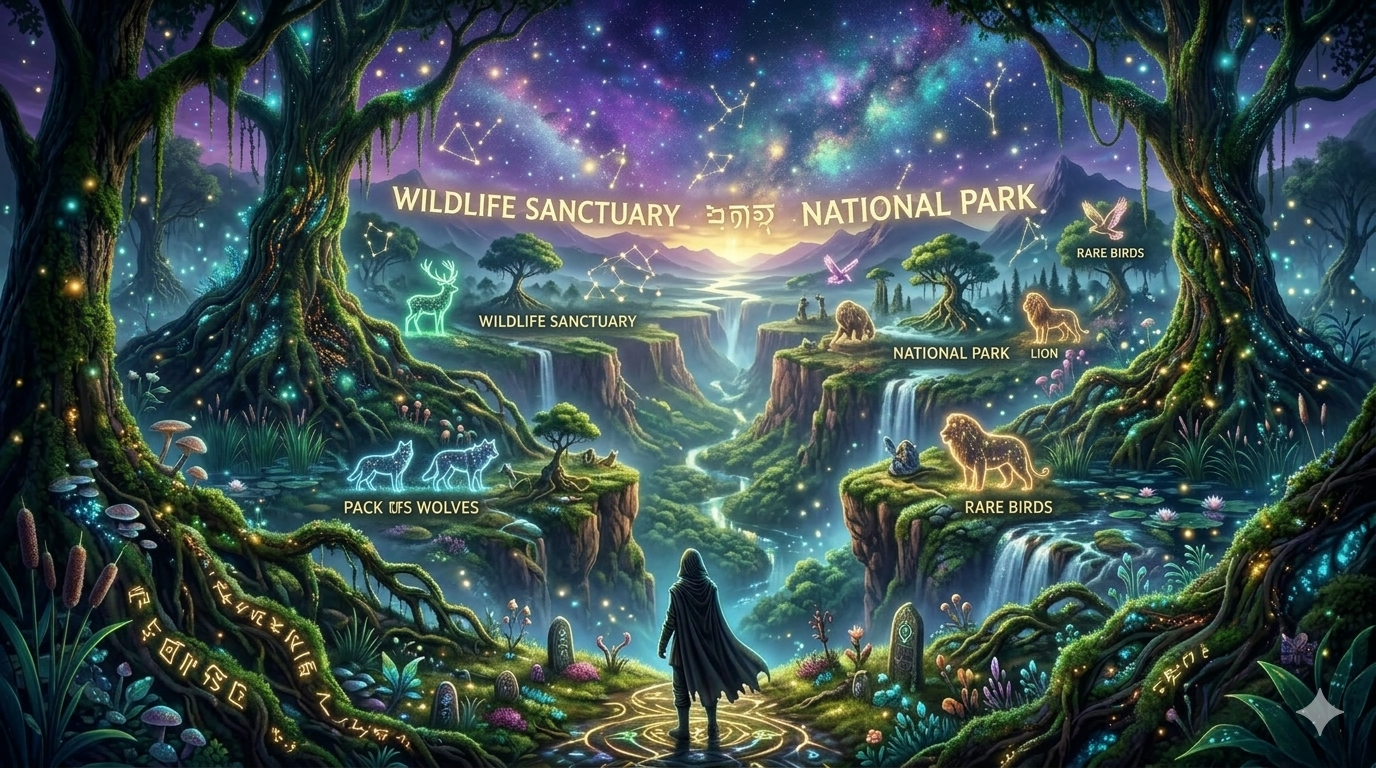
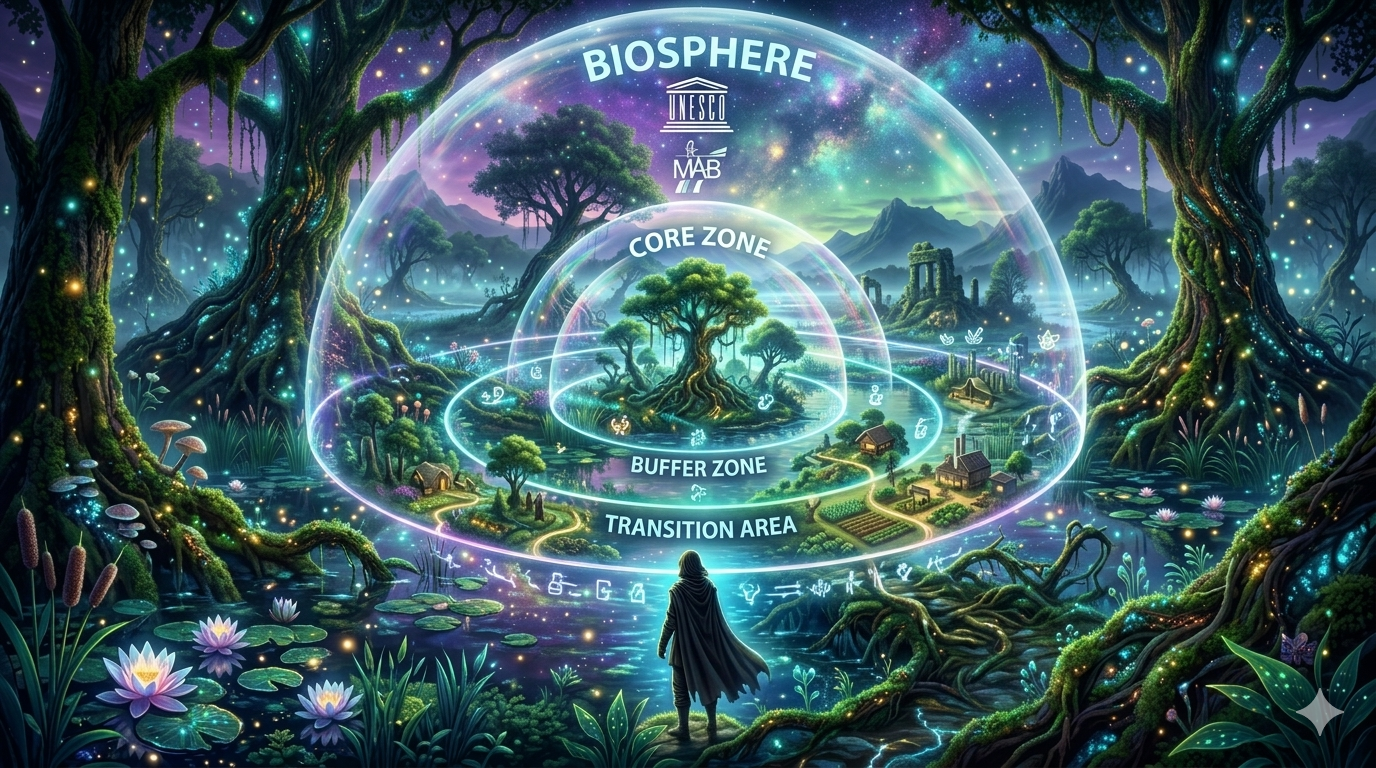
Governments establish national parks, wildlife sanctuaries, and biosphere reserves to protect wildlife habitats.
These protected areas:
- Provide safe environments for wildlife
- Restrict human activities that harm ecosystems
Legal Protection and Environmental Laws
Strict laws and regulations are implemented to prevent wildlife exploitation.
These laws help:
- Control illegal hunting and poaching
- Protect endangered species
- Regulate trade in wildlife products
Legal protection is essential for effective wildlife conservation.
Habitat Restoration
Many conservation programs focus on restoring degraded habitats through activities such as:
- Reforestation
- Wetland restoration
- Grassland management
Healthy ecosystems support thriving wildlife populations.
Community-Based Conservation
Local communities play an important role in protecting wildlife.
Community-based conservation involves:
- Encouraging sustainable resource use
- Providing alternative livelihoods
- Promoting environmental awareness
When communities participate, conservation efforts become more effective.
Captive Breeding and Species Recovery Programs
For critically endangered species, conservationists may implement captive breeding programs.
These programs aim to:
- Increase population numbers
- Reintroduce species into natural habitats
Captive breeding has helped save several species from extinction.
Challenges in Wildlife Conservation
Despite significant efforts, wildlife conservation faces several challenges.
Habitat Destruction
Deforestation, mining, urban expansion, and agriculture destroy natural habitats.
This forces wildlife species to migrate or face extinction.
Illegal Wildlife Trade
Illegal hunting and trafficking of wildlife products such as ivory, skins, and horns remain serious threats.
Strong enforcement is needed to stop such activities.
Climate Change
Climate change alters ecosystems and affects species distribution and survival.
Many species struggle to adapt to rapidly changing environmental conditions.
Human-Wildlife Conflict
As human populations expand, conflicts between humans and wildlife increase.
Examples include crop damage by animals or attacks on livestock.
Managing these conflicts is essential for successful conservation.
Future Strategies for Strengthening Wildlife Conservation
To achieve conservation objectives, several future strategies are necessary.
Important approaches include:
- Expanding protected areas and wildlife corridors
- Promoting sustainable land-use practices
- Using modern technologies such as satellite monitoring
- Increasing environmental education and awareness
- Strengthening international cooperation for wildlife protection
These measures can improve the effectiveness of conservation programs.
Conclusion
Wildlife conservation is essential for protecting the rich diversity of life on Earth and maintaining ecological balance. The objectives of wildlife conservation include preserving biodiversity, preventing species extinction, maintaining ecological stability, protecting natural habitats, conserving genetic diversity, and promoting sustainable use of natural resources.
In addition to environmental benefits, wildlife conservation also contributes to scientific research, cultural preservation, and sustainable economic development through activities such as ecotourism. However, wildlife conservation faces several challenges including habitat destruction, illegal hunting, climate change, and human-wildlife conflicts.
Addressing these challenges requires coordinated efforts from governments, scientists, conservation organizations, and local communities. By implementing effective conservation strategies and promoting environmental awareness, it is possible to protect wildlife and ensure the long-term sustainability of ecosystems.
In conclusion, wildlife conservation is not only about protecting animals but also about safeguarding the natural systems that support life on Earth. Preserving wildlife today ensures a healthier and more balanced environment for future generations.