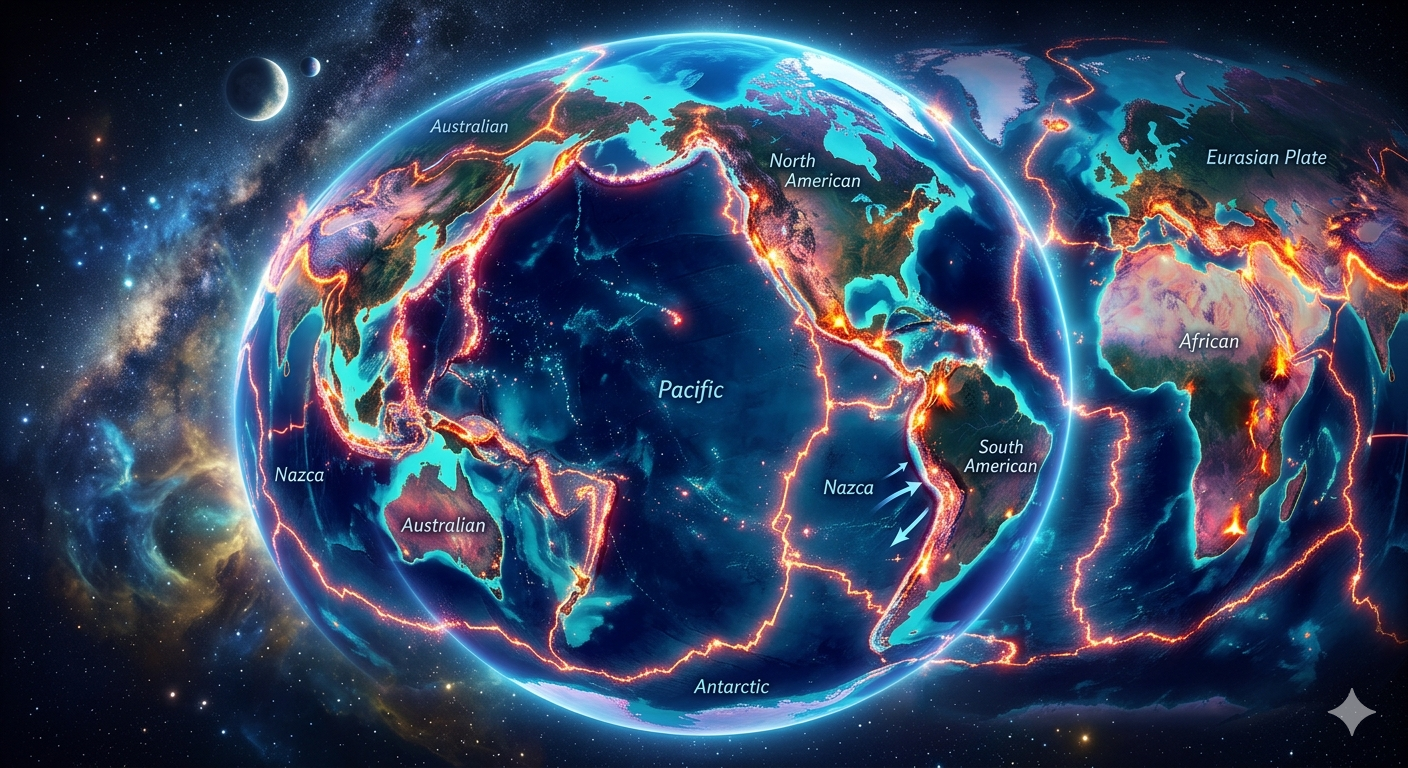
Plate tectonics explains that the Earth’s lithosphere is divided into several rigid plates that move over the semi-fluid asthenosphere. These movements are responsible for most geological activities, especially earthquakes and volcanoes, whose global distribution follows clear tectonic patterns rather than random occurrence.
Concept of Plate Tectonics (Tabular Form)
Aspect
Explanation
Definition
Theory explaining movement of lithospheric plates over asthenosphere
Key Idea
Earth’s surface is dynamic, not static
Driving Forces
Mantle convection, slab pull, ridge push
Plate Movement Speed
Few cm/year (similar to nail growth)
Main Plates
Pacific, Eurasian, Indo-Australian, African, North American, South American
Types of Plate Boundaries
Boundary Type
Plate Movement
Landforms Formed
Earthquake Nature
Volcanic Activity
Divergent
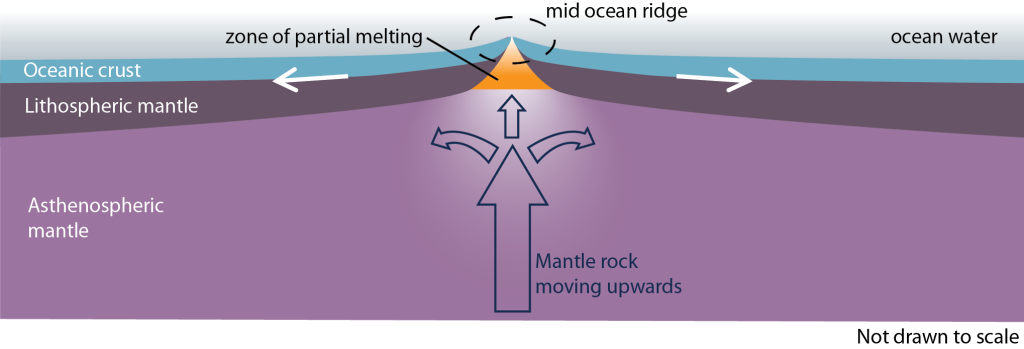
Plates move apart
Mid-ocean ridges, rift valleys
Shallow, less intense
Frequent but less explosive
Convergent
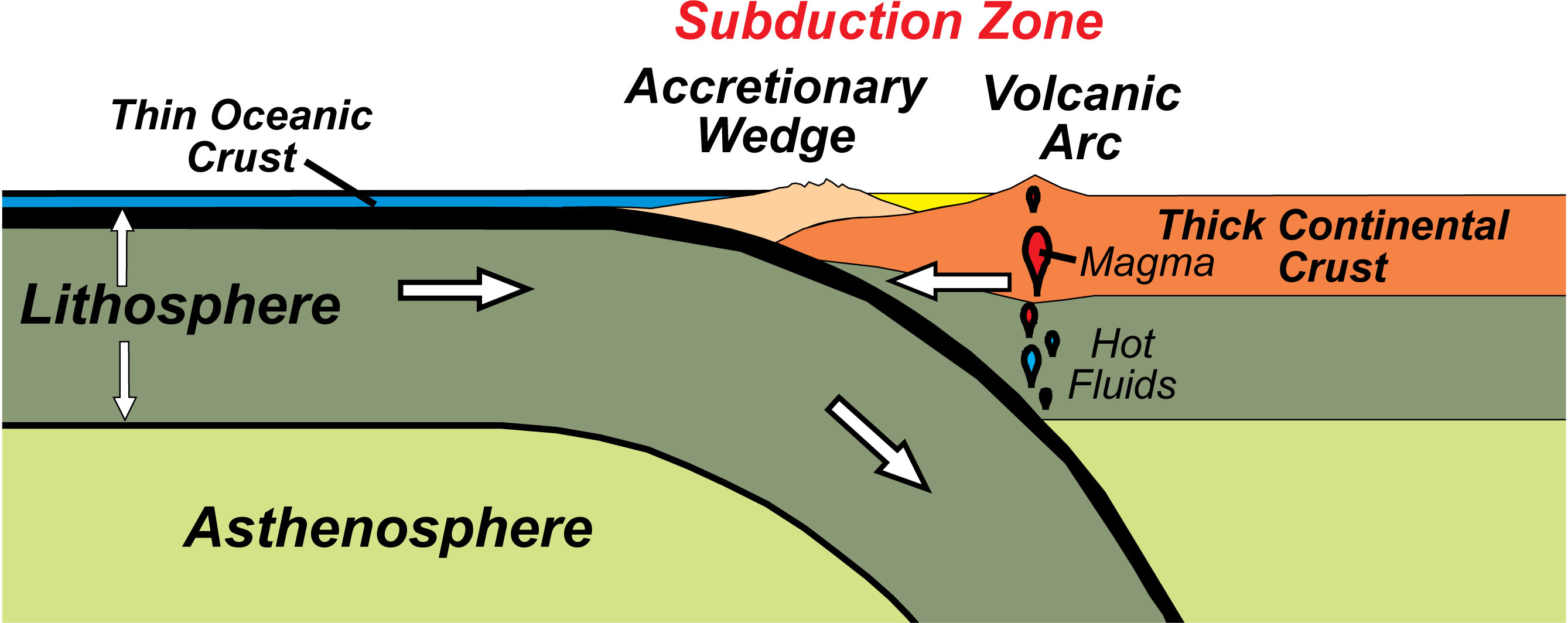
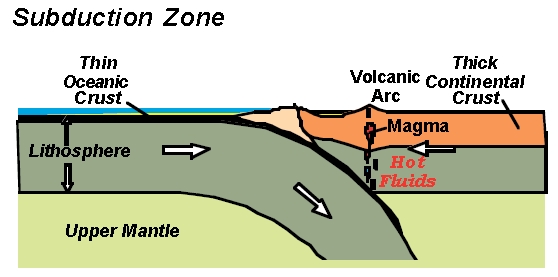
Plates collide
Mountains, trenches
Deep & powerful
Highly explosive
Transform
Plates slide past
Fault lines
Sudden, destructive
Rare
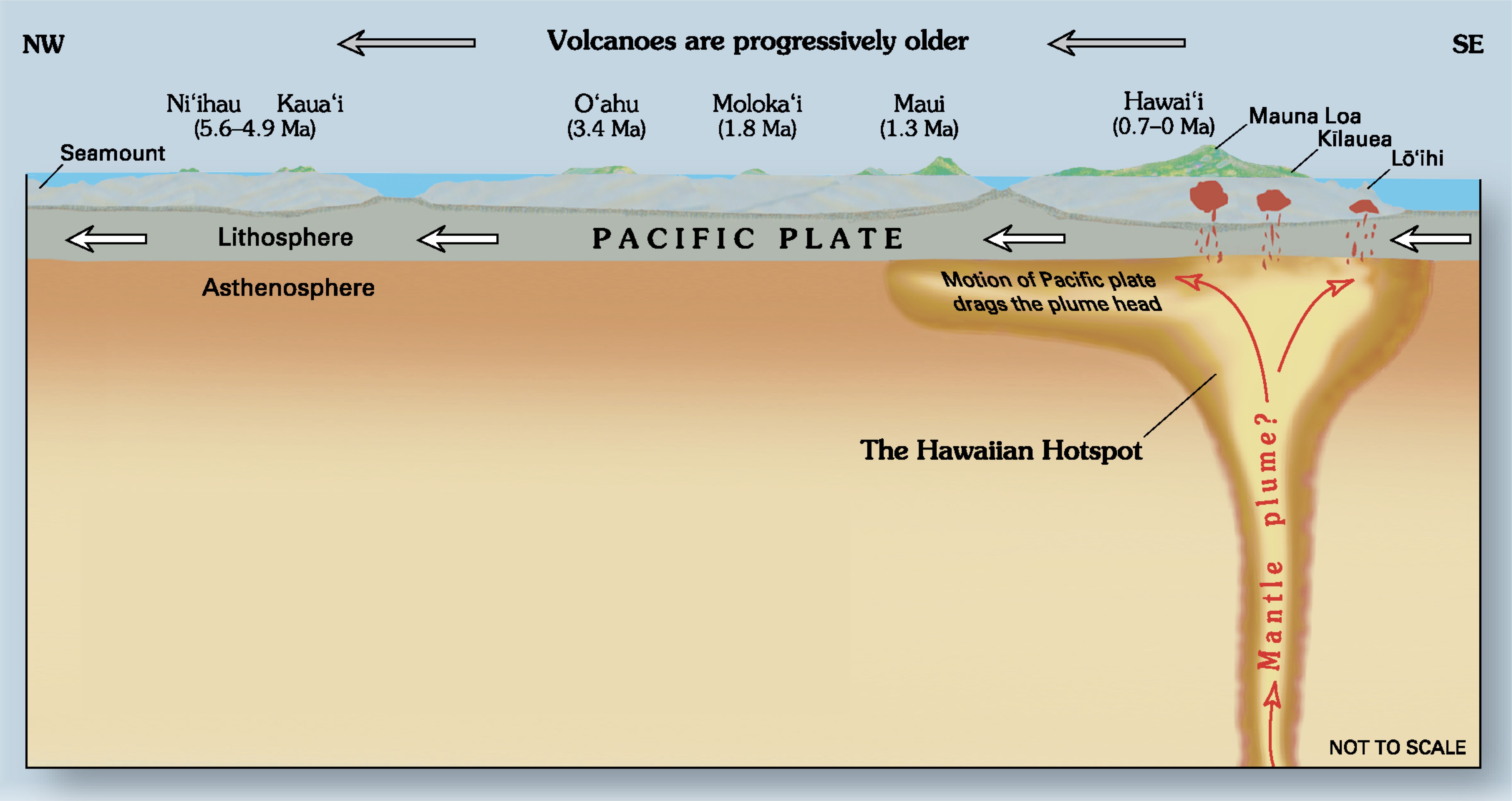
Visual Understanding of Plate Boundaries
Distribution of Earthquakes (Table Analysis)
Region
Plate Boundary Type
Reason for Earthquakes
Examples
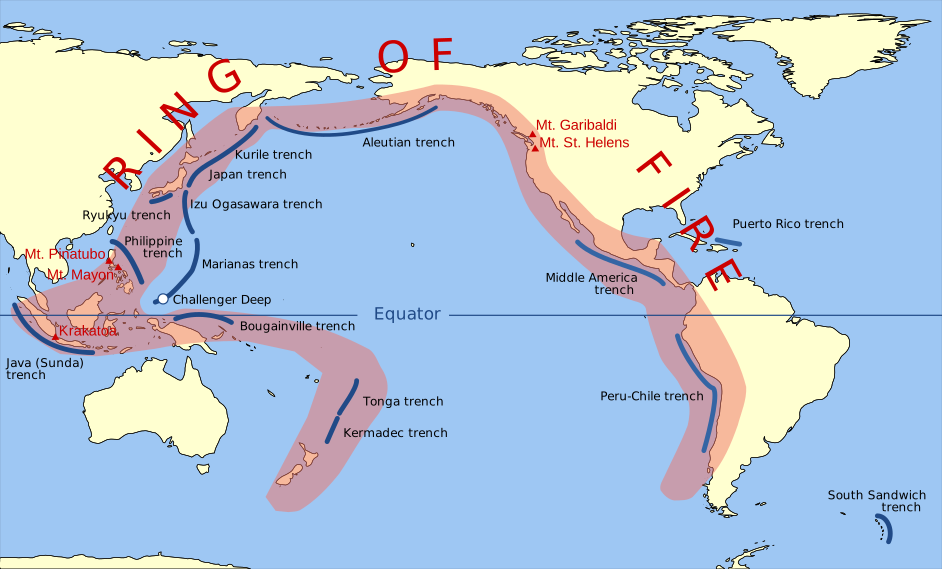
Pacific Ring of Fire
Convergent
Subduction causing stress release
Japan, Chile
Himalayan Belt
Convergent (continental collision)
Plate compression
India, Nepal
Mid-Ocean Ridges
Divergent
Crust formation
Atlantic Ocean
Transform Fault Zones
Transform
Frictional sliding
California
Key Patterns of Earthquake Distribution
Around 80% earthquakes occur in Pacific Ring of Fire
This indicates that maximum geological hazards occur where plates collide.
Why Plate Tectonics Explains Distribution Clearly
Phenomenon
Explanation through Plate Tectonics
Earthquakes concentrated in belts
Due to stress along plate boundaries
Volcano chains (e.g., Andes)
Subduction-related magma formation
Island arcs (Japan, Indonesia)
Oceanic plate subduction
Rift valleys (Africa)
Plate divergence
Mountain building (Himalayas)
Continental collision
Conclusion
Plate tectonics provides a scientific and unified explanation for the global distribution of earthquakes and volcanoes. These events are not random but occur primarily along plate boundaries where tectonic forces are most active. Convergent boundaries are the most hazardous, while divergent and transform boundaries also contribute significantly to Earth’s dynamic behavior.
Understanding these patterns is crucial not only for academic purposes but also for disaster preparedness, urban planning, and risk reduction, especially for countries like India located in tectonically active regions.