1. Introduction
Natural resources are materials and substances that occur naturally in the environment and are used by humans for survival, economic development, and technological advancement. These resources include water, forests, minerals, fossil fuels, soil, sunlight, and many others. Since human civilization depends heavily on natural resources, their proper management is essential for sustainable development.
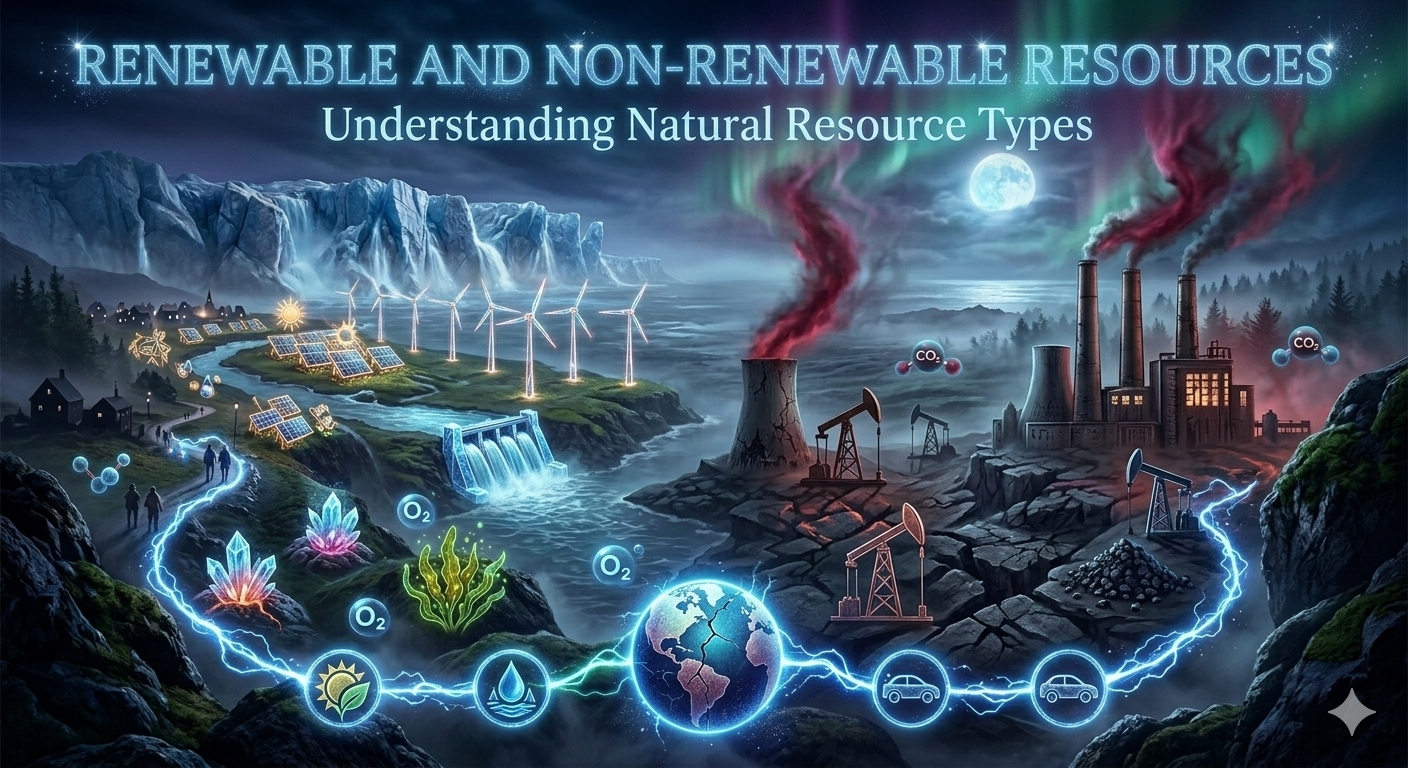
Natural resources are broadly classified into renewable resources and non-renewable resources based on their ability to replenish over time. Renewable resources can regenerate naturally within a relatively short period, whereas non-renewable resources take millions of years to form and cannot be easily replaced once they are depleted.
Understanding the difference between renewable and non-renewable resources is important for managing the Earth’s resources responsibly. Overexploitation of non-renewable resources has led to environmental problems such as pollution, climate change, and resource scarcity. Therefore, many countries are now focusing on the use of renewable energy and sustainable resource management.
The study of renewable and non-renewable resources helps individuals and societies recognize the importance of conservation and encourages the adoption of environmentally friendly practices.
2. Meaning of Natural Resources
Definition of Natural Resources
Natural resources are materials provided by nature that humans use for various purposes such as food, shelter, energy, and industrial production. These resources exist without human creation and are obtained from the Earth’s environment.
Examples of natural resources include:
- Water
- Air
- Forests
- Minerals
- Fossil fuels
- Wildlife
- Sunlight
These resources play a crucial role in supporting life and economic development.
Classification of Natural Resources
Natural resources can be classified in several ways, but one of the most common classifications is based on availability and renewability. Under this classification, resources are divided into:
- Renewable resources
- Non-renewable resources
This classification helps in understanding how resources are formed and how they should be used sustainably.
3. Renewable Resources
Definition of Renewable Resources
Renewable resources are natural resources that can be replenished or regenerated naturally within a relatively short period of time. These resources are continuously available if they are managed properly.
Renewable resources are often considered sustainable because their supply can be maintained through natural processes.
Characteristics of Renewable Resources
Renewable resources have several distinctive characteristics:
- They can regenerate naturally through ecological cycles.
- Their availability is not permanently exhausted if used responsibly.
- They often have lower environmental impacts compared to non-renewable resources.
- They support long-term environmental sustainability.
Because of these characteristics, renewable resources are increasingly promoted as alternatives to conventional energy sources.
4. Examples of Renewable Resources
Solar Energy
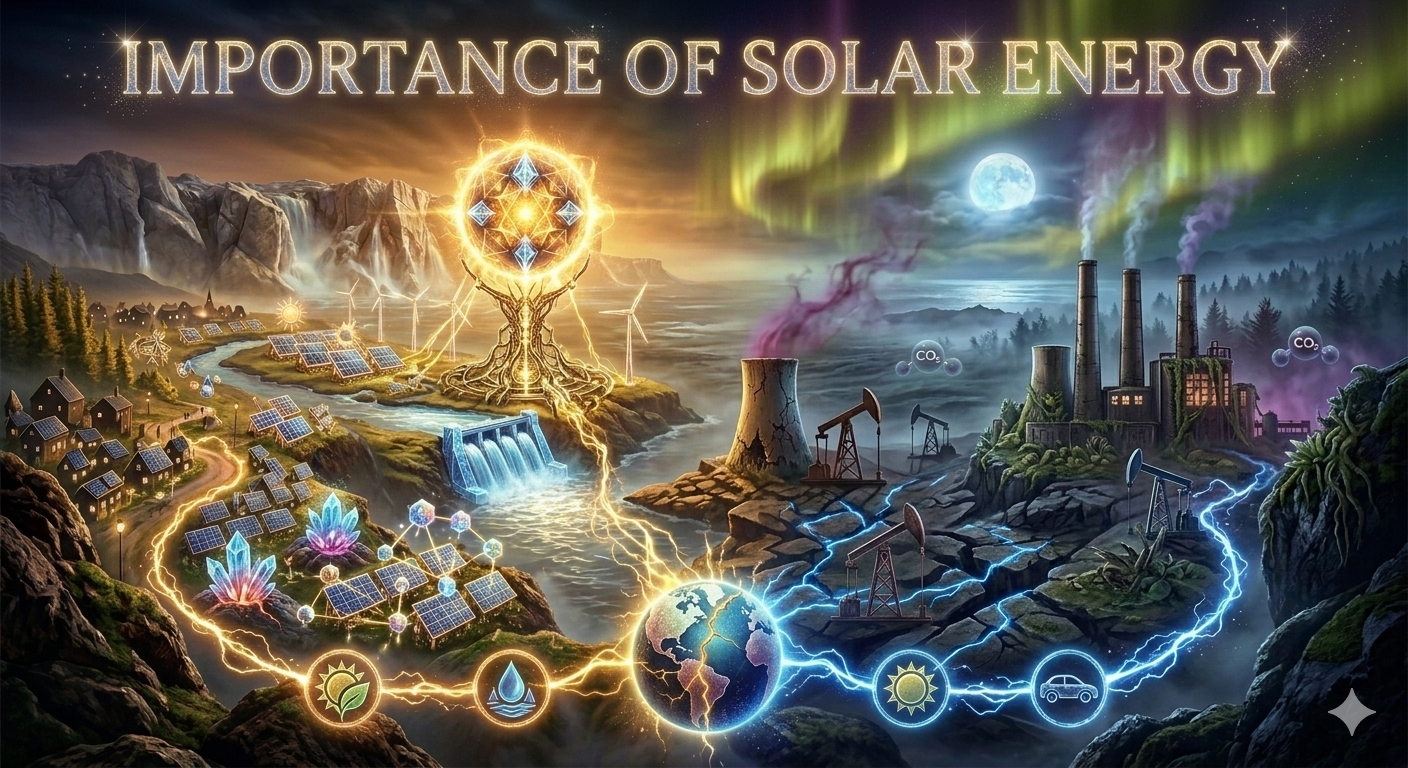
Solar energy is one of the most abundant renewable resources on Earth. It is obtained from sunlight and can be converted into electricity using solar panels. Solar energy is widely used for heating, lighting, and power generation.
Since sunlight is continuously available, solar energy is considered an inexhaustible resource.
Wind Energy
Wind energy is produced by the movement of air in the atmosphere. Wind turbines convert the kinetic energy of wind into electrical energy. Many countries use wind power as a clean and renewable source of electricity.
Wind energy does not produce harmful emissions, making it environmentally friendly.
Water Resources
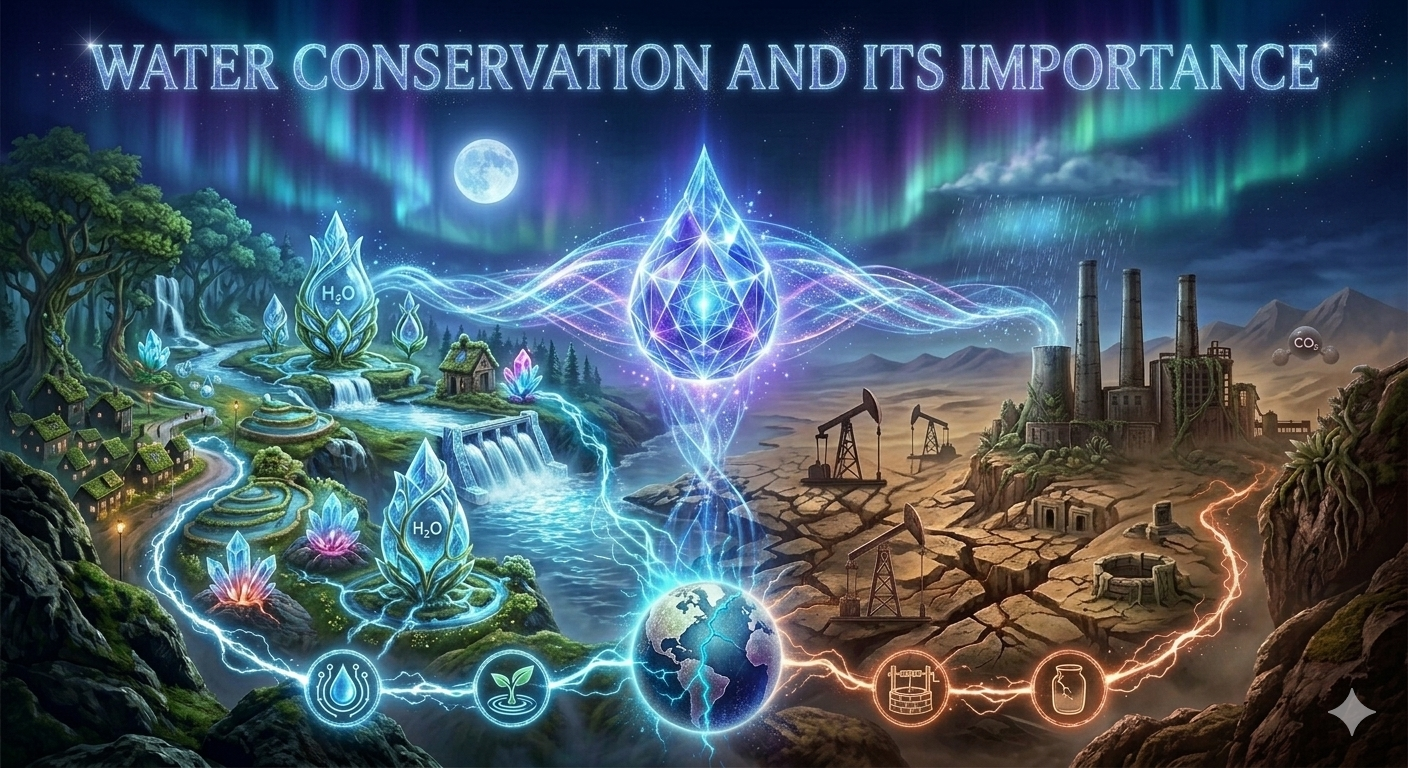
Water is another important renewable resource. Rivers, lakes, and rainfall continuously replenish water supplies through the natural water cycle. Hydroelectric power plants use flowing water to generate electricity.
Water is essential for drinking, agriculture, industry, and ecosystem survival.
Forest Resources
Forests are renewable resources if they are managed sustainably. Trees can regrow after harvesting through natural regeneration or reforestation programs.
Forests provide timber, fuelwood, medicinal plants, and habitat for wildlife.
Biomass Energy
Biomass refers to organic materials such as agricultural waste, plant matter, and animal waste. These materials can be used as renewable sources of energy.
Biomass energy is commonly used for cooking, heating, and electricity generation in many parts of the world.
5. Advantages of Renewable Resources
Environmental Benefits
Renewable resources generally produce fewer pollutants and greenhouse gases compared to fossil fuels. Their use helps reduce air pollution and mitigate climate change.
Sustainable Energy Supply
Since renewable resources regenerate naturally, they provide a sustainable supply of energy for future generations.
Energy Independence
Countries that invest in renewable energy can reduce their dependence on imported fossil fuels. This improves energy security and economic stability.
Economic Opportunities
The development of renewable energy technologies creates new job opportunities in fields such as manufacturing, installation, research, and maintenance.
6. Non-Renewable Resources
Definition of Non-Renewable Resources
Non-renewable resources are natural resources that exist in limited quantities and cannot be replenished within a human lifetime. These resources take millions of years to form through geological processes.
Once non-renewable resources are extracted and used, they cannot be replaced quickly.
Characteristics of Non-Renewable Resources
Non-renewable resources have several defining features:
- They are finite in supply.
- Their formation requires extremely long geological periods.
- Continuous use leads to depletion.
- Their extraction and use often cause environmental pollution.
Because of these characteristics, non-renewable resources must be used carefully and efficiently.
7. Examples of Non-Renewable Resources
Coal
Coal is a fossil fuel formed from the remains of ancient plants buried underground millions of years ago. It is widely used for electricity generation and industrial processes.
However, burning coal releases large amounts of carbon dioxide and contributes to air pollution.
Petroleum (Oil)
Petroleum is another important non-renewable resource. It is used to produce gasoline, diesel, and many chemical products such as plastics and synthetic materials.
Oil extraction and transportation can also cause environmental damage through spills and pollution.
Natural Gas
Natural gas is a fossil fuel composed mainly of methane. It is used for heating, electricity generation, and industrial processes.
Although natural gas produces fewer emissions than coal, it is still a non-renewable resource.
Minerals and Metals
Minerals such as iron, copper, aluminum, and gold are also considered non-renewable resources because they exist in limited quantities in the Earth’s crust.
Mining these minerals requires extensive extraction processes that may damage the environment.
8. Problems Associated with Non-Renewable Resources
Resource Depletion
Since non-renewable resources are limited, continuous extraction eventually leads to depletion. As reserves decrease, it becomes more difficult and expensive to obtain these resources.
Environmental Pollution
The extraction, processing, and burning of fossil fuels produce harmful pollutants that affect air, water, and soil quality.
Climate Change
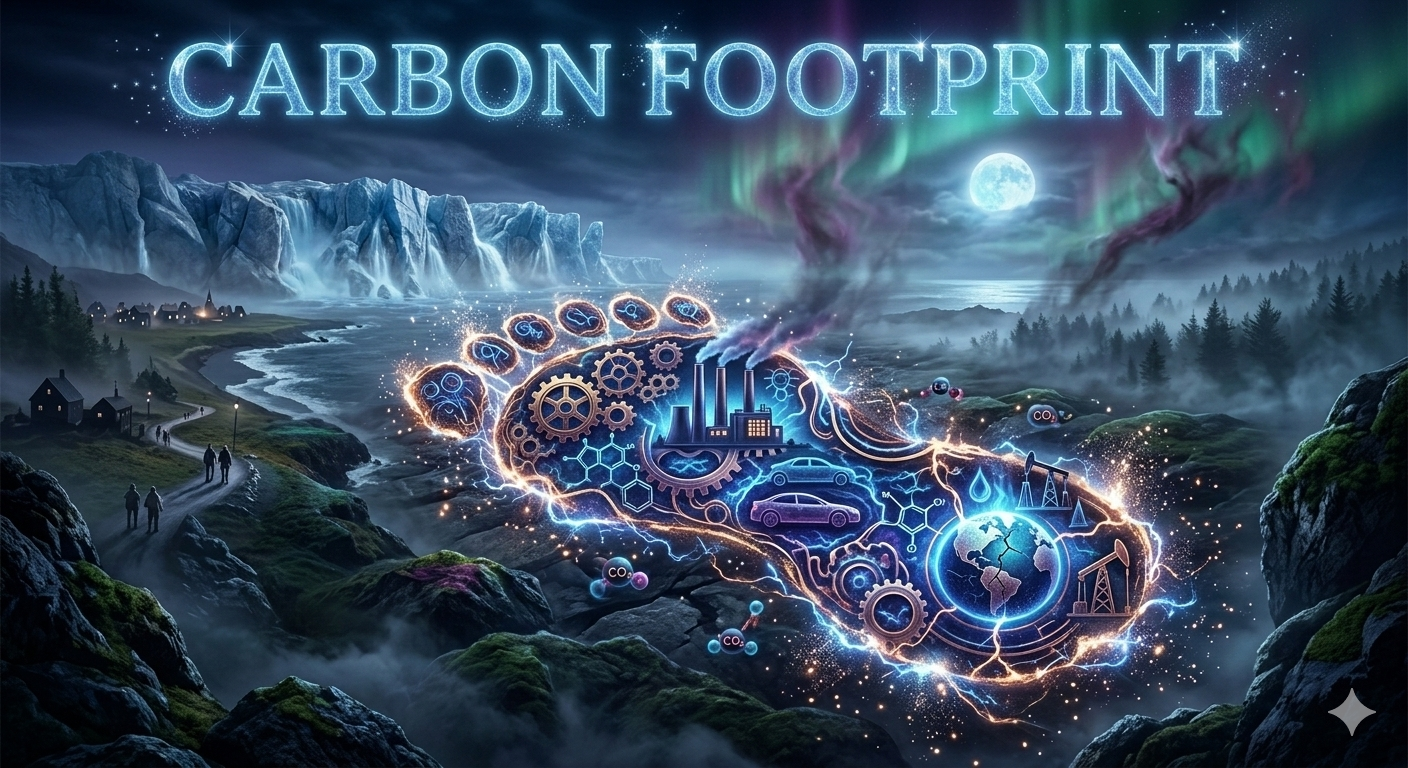
Burning fossil fuels releases greenhouse gases such as carbon dioxide, which contribute significantly to global warming and climate change.
Ecological Damage
Mining activities can lead to deforestation, habitat destruction, soil erosion, and water contamination.
9. Differences Between Renewable and Non-Renewable Resources
Availability
Renewable resources are continuously available because they regenerate naturally, whereas non-renewable resources exist in limited quantities.
Regeneration
Renewable resources replenish relatively quickly through natural cycles, while non-renewable resources require millions of years to form.
Environmental Impact
Renewable resources generally have lower environmental impacts, whereas non-renewable resources often cause pollution and ecological damage.
Sustainability
Renewable resources support long-term sustainability, while excessive use of non-renewable resources can lead to resource shortages.
10. Importance of Resource Conservation
Sustainable Use of Resources
Conserving natural resources ensures that future generations will have access to essential materials and energy sources.
Reducing Environmental Damage
Efficient resource management can reduce pollution, protect ecosystems, and maintain environmental balance.
Promoting Renewable Energy
Encouraging the use of renewable energy sources such as solar, wind, and hydroelectric power can reduce dependence on fossil fuels.
Improving Resource Efficiency
Technological innovation and efficient consumption can help minimize waste and extend the availability of resources.
11. Role of Governments and Society
Government Policies
Governments play an important role in promoting sustainable resource management through environmental laws, renewable energy programs, and conservation initiatives.
Public Awareness
Educating people about the importance of resource conservation encourages responsible consumption and environmental protection.
Technological Innovation
Advances in technology can help develop cleaner energy sources and improve the efficiency of resource use.
12. Conclusion
Renewable and non-renewable resources are essential components of the Earth’s natural environment. While renewable resources can regenerate naturally and support long-term sustainability, non-renewable resources are limited and may eventually become exhausted.
Human dependence on non-renewable resources has contributed to environmental problems such as pollution, climate change, and ecological degradation. Therefore, it is necessary to promote the responsible use of resources and shift toward renewable energy sources.
By conserving natural resources, adopting sustainable technologies, and encouraging environmental awareness, societies can ensure that natural resources continue to support human development without compromising the needs of future generations.
The balanced use of renewable and non-renewable resources is essential for achieving sustainable development and maintaining the health of the planet.