Introduction
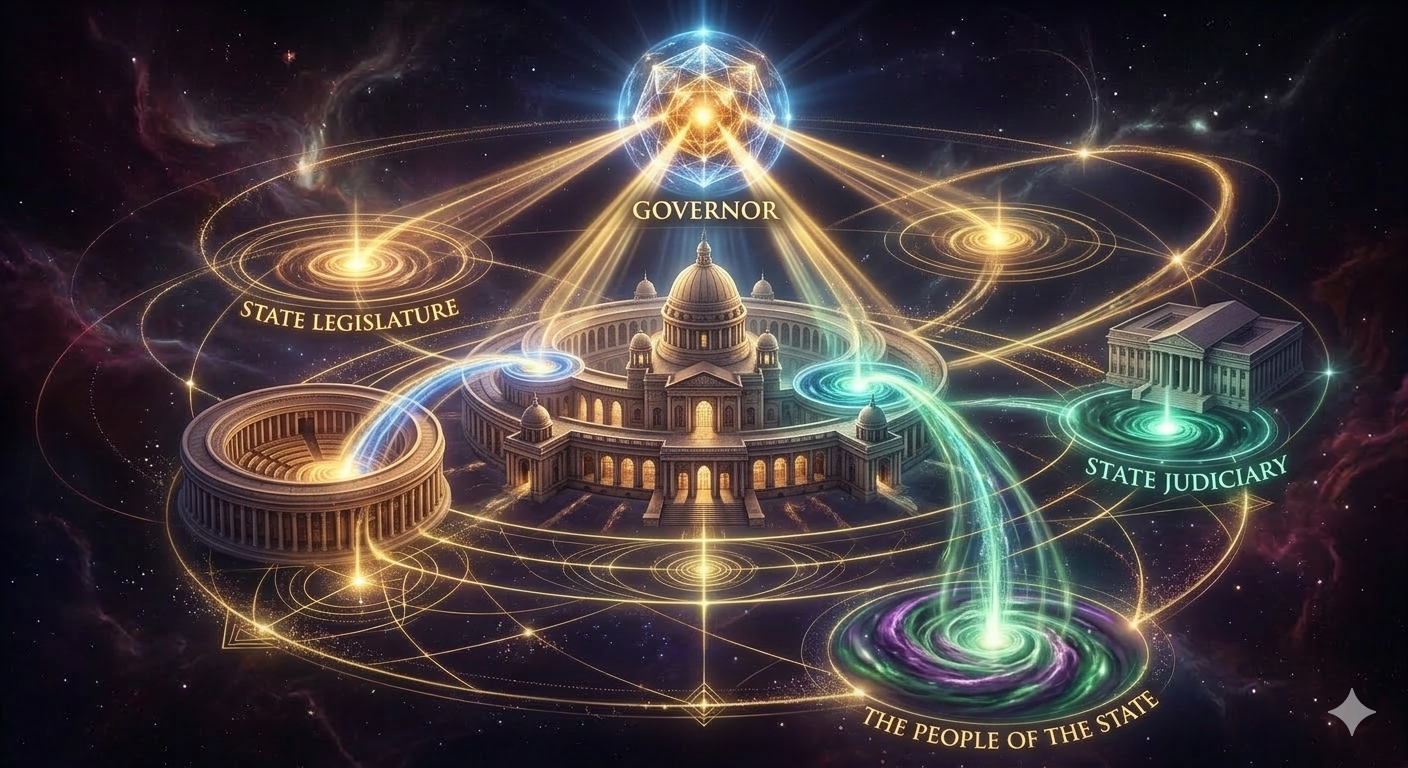
The Governor occupies an important constitutional position in the political and administrative framework of India. As the constitutional head of a state, the Governor represents the authority of the Union within the state while also functioning as the formal executive head of the state government. The office of the Governor plays a crucial role in maintaining the constitutional balance between the Union and the states in India’s federal structure.
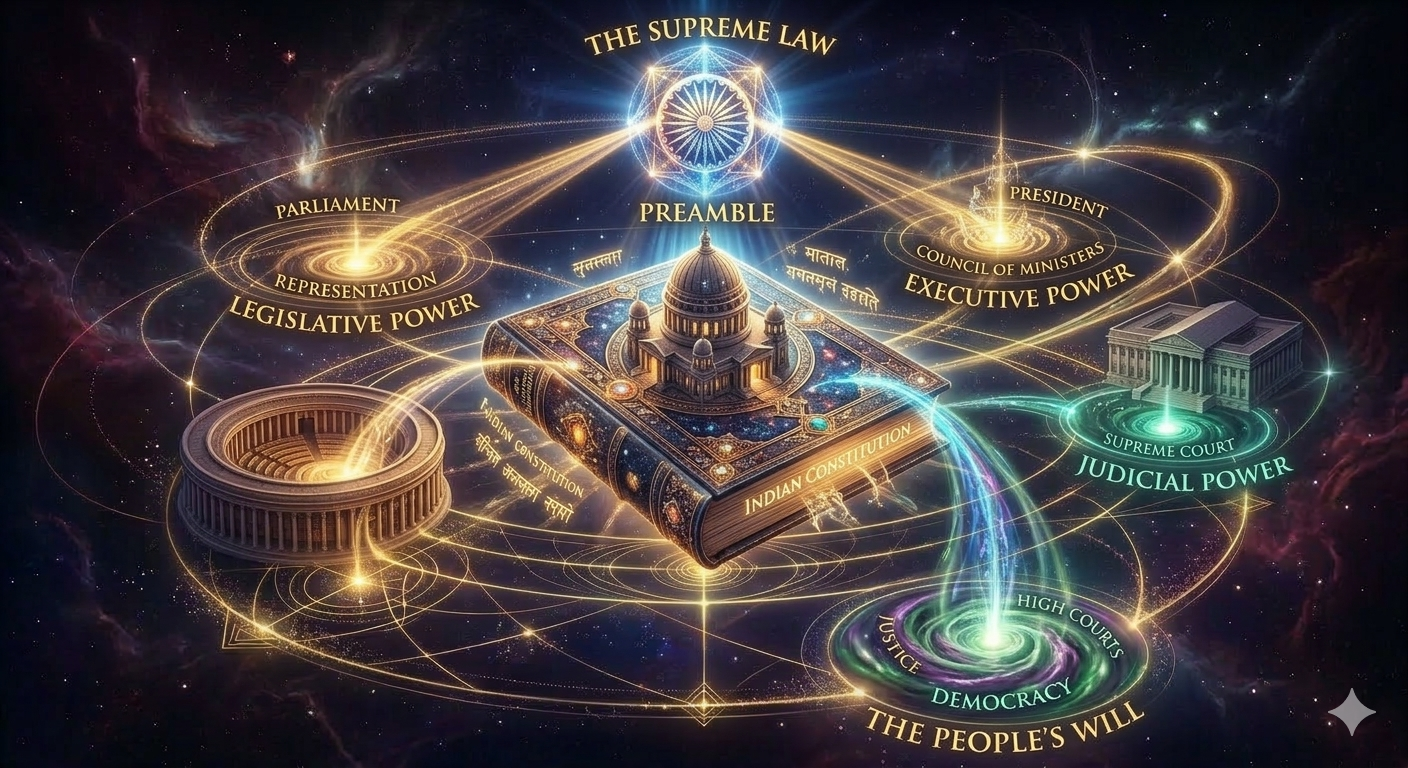
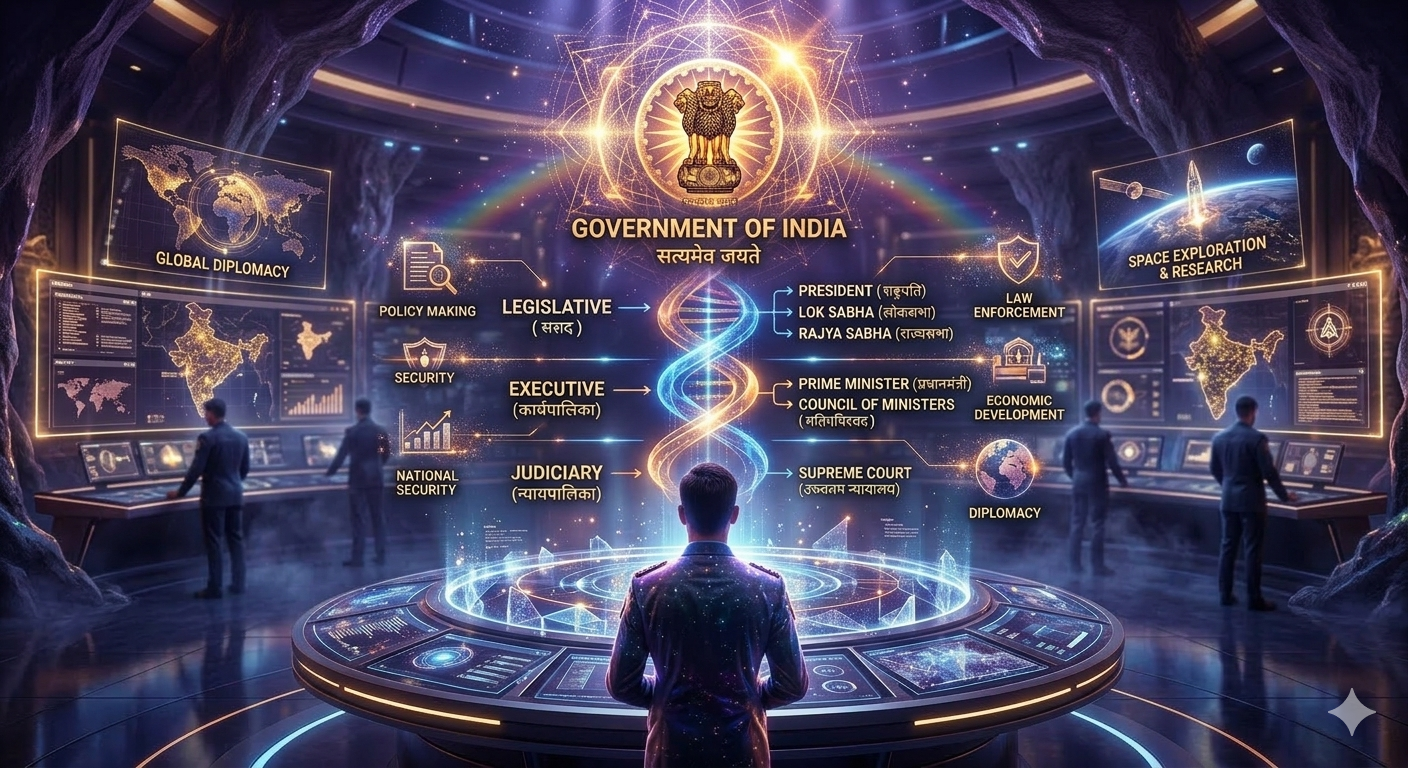
The powers and functions of the Governor are defined in the Constitution of India. According to the Constitution, the executive power of the state is vested in the Governor. However, similar to the relationship between the President and the Prime Minister at the Union level, the Governor generally acts on the advice of the Council of Ministers headed by the Chief Minister.
Despite being largely a ceremonial head in routine governance, the Governor possesses certain discretionary powers and plays a significant role in legislative and administrative functions. These responsibilities make the office of the Governor an important institution in the state political system.
Constitutional Position of the Governor
Status under the Constitution
The Constitution provides that there shall be a Governor for every state in India. The Governor serves as the constitutional head of the state executive and performs various functions in accordance with constitutional provisions.
The Governor acts on the advice of the Council of Ministers led by the Chief Minister of an Indian state. This arrangement reflects the parliamentary system adopted in India where real executive authority lies with the elected government.
Key Characteristics of the Governor’s Position
The constitutional position of the Governor has several important characteristics:
- The Governor represents the Union government in the state.
- The Governor acts as the constitutional head of the state administration.
- The Governor ensures that state governance follows constitutional principles.
- The Governor plays a neutral role in maintaining political stability.
Through these features, the office of the Governor functions as an important link between the central government and state governments.
Appointment and Tenure of the Governor
Appointment Process
The Governor is appointed by the President of India. Unlike elected representatives, the Governor is not elected by the people or the state legislature.
This method of appointment ensures that the Governor remains above local political influences and functions as an impartial constitutional authority.
Tenure
The Governor generally holds office for a term of five years, but continues to serve at the pleasure of the President. This means that the Governor may be removed or transferred before the completion of the term.
Qualifications
To become a Governor, a person must meet certain qualifications:
- The individual must be a citizen of India.
- The individual must be at least 35 years old.
- The individual should not hold any office of profit.
These qualifications ensure that the Governor possesses adequate experience and maturity for the office.
Executive Powers of the Governor
Head of State Executive
The Governor acts as the executive head of the state government. All executive actions of the state are carried out in the name of the Governor.
However, the Governor normally exercises these powers on the advice of the Council of Ministers.
Major Executive Functions
The Governor performs several executive functions within the state administration.
Important executive responsibilities include:
- Appointing the Chief Minister of the state
- Appointing other ministers on the advice of the Chief Minister
- Appointing the Advocate General of the state
- Appointing members of the State Public Service Commission
- Supervising the administration of the state
Through these functions, the Governor plays a significant role in the formation and functioning of the state government.
Role in State Administration
Administrative Responsibilities
The Governor plays an important role in ensuring effective state administration. While day-to-day governance is carried out by the elected government, the Governor supervises the overall functioning of the executive system.
The Governor receives reports from various departments and ensures that administrative actions follow constitutional provisions.
Coordination with the State Government
The Governor maintains communication with the Chief Minister and the Council of Ministers regarding major administrative matters.
Key aspects of this role include:
- Advising the state government when necessary
- Ensuring implementation of constitutional provisions
- Reporting important matters to the Union government
Thus, the Governor contributes to maintaining coordination between the Union and the state.
Legislative Powers of the Governor
Role in the State Legislature
The Governor is an important part of the state legislature. Similar to the role of the President at the Union level, the Governor performs several legislative functions.
The Governor interacts with the state legislative bodies such as the State Legislative Assembly of India and in some states the State Legislative Council of India.
Major Legislative Powers
The legislative powers of the Governor include:
- Summoning and proroguing sessions of the state legislature
- Dissolving the legislative assembly when necessary
- Addressing the legislature at the beginning of sessions
- Giving assent to bills passed by the legislature
No bill passed by the state legislature becomes law without the Governor’s approval.
Ordinance-Making Power
When the legislature is not in session, the Governor can issue ordinances. These ordinances have the force of law but must be approved by the legislature within a specified period.
This power ensures that urgent legislative action can be taken when necessary.
Financial Powers of the Governor
Role in State Finances
The Governor also plays a role in financial administration within the state.
Important financial powers include:
- Recommending the introduction of money bills in the legislature
- Ensuring the presentation of the annual state budget
- Supervising financial administration
These powers help maintain transparency and accountability in public expenditure.
Judicial Powers of the Governor
Clemency Powers
The Governor has the authority to grant pardons, reprieves, and remissions for certain offenses under state law.
These powers allow the Governor to provide relief in special circumstances and correct potential injustices in the judicial process.
Importance of Judicial Powers
Judicial powers serve several purposes:
- Providing humanitarian relief in exceptional cases
- Ensuring justice when legal procedures produce harsh outcomes
- Maintaining fairness within the legal system
These powers contribute to the overall justice framework of the state.
Discretionary Powers of the Governor
Meaning of Discretionary Powers
Discretionary powers are those powers that the Governor can exercise without the advice of the Council of Ministers in certain circumstances.
These powers allow the Governor to act independently to protect constitutional governance.
Important Discretionary Powers
Some of the key discretionary powers include:
- Appointing a Chief Minister when no party has a clear majority
- Recommending the imposition of President’s Rule in the state
- Reserving certain bills for the consideration of the President
- Deciding on the dissolution of the legislative assembly in specific situations
These powers become particularly important during political crises.
Role of the Governor in Maintaining Constitutional Governance
Guardian of the Constitution at the State Level
The Governor plays an important role in ensuring that the state government operates according to constitutional principles.
If the Governor believes that the state government is functioning in violation of the Constitution, they may report the matter to the Union government.
Ensuring Political Stability
During situations such as hung assemblies, coalition disputes, or breakdown of governance, the Governor may take steps to maintain stability and ensure the formation of a legitimate government.
Criticism and Debates about the Governor’s Role
Although the office of the Governor is constitutionally significant, it has also been subject to criticism.
Some common concerns include:
- Allegations of political bias
- Conflicts between Governors and state governments
- Controversies related to the use of discretionary powers
These debates highlight the importance of maintaining neutrality and constitutional integrity in the functioning of the Governor.
Importance of the Governor in the Federal System
Link between Union and States
The Governor acts as a vital link between the Union government and the state government. This role is essential in maintaining coordination within India’s federal system.
Contributions to Governance
The Governor contributes to governance in several ways:
- Ensuring constitutional compliance
- Maintaining political stability
- Supporting administrative efficiency
- Facilitating cooperation between governments
Through these functions, the Governor strengthens the federal structure of the country.
Conclusion
The office of the Governor occupies a significant place in the constitutional framework of India. As the constitutional head of the state, the Governor performs a wide range of executive, legislative, financial, and judicial functions as defined by the Constitution of India.
While most powers are exercised on the advice of the Council of Ministers led by the Chief Minister, the Governor also possesses certain discretionary powers that become crucial during political or constitutional crises.
Therefore, the Governor is not merely a ceremonial authority but an important constitutional institution that helps maintain democratic governance, constitutional balance, and administrative stability in the states of India.