Introduction
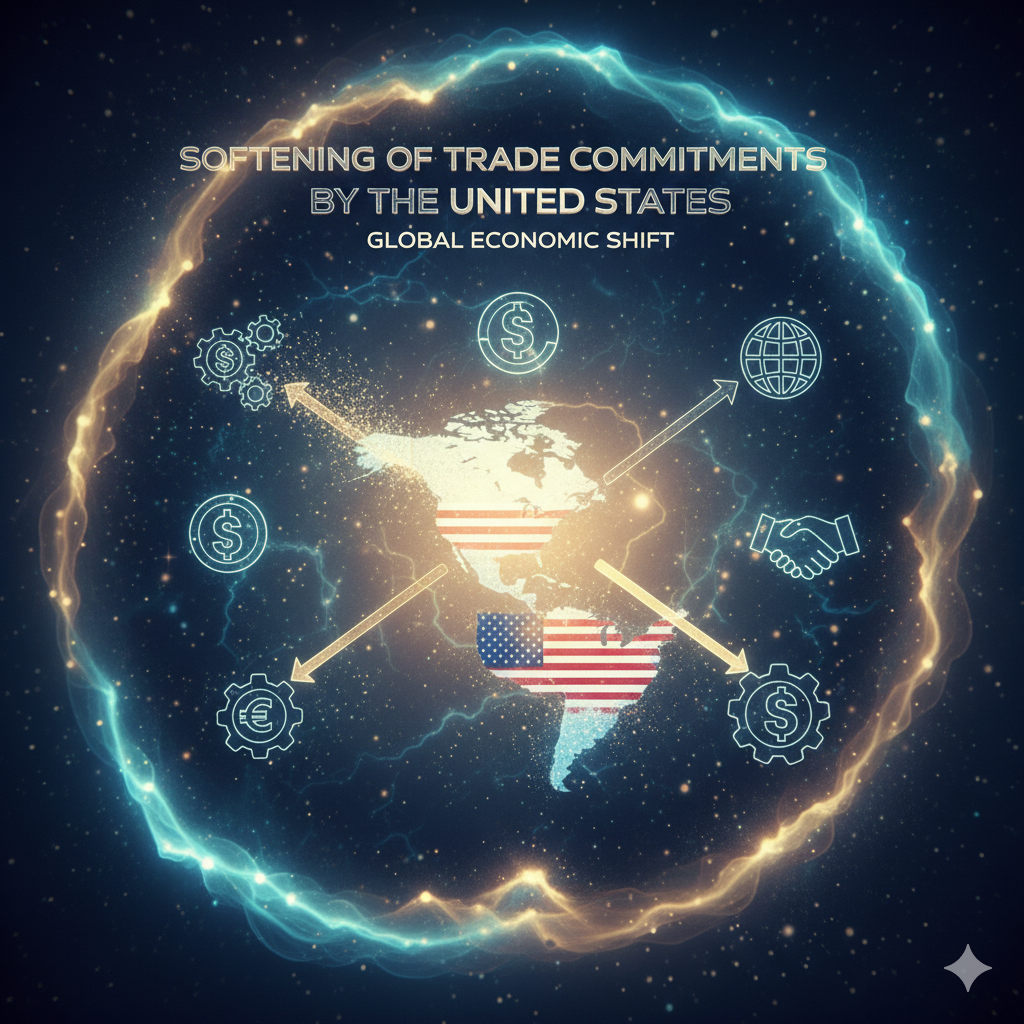
International trade agreements are not merely economic documents; they reflect diplomatic priorities, political sensitivities, and strategic calculations. Recently, the United States revised the wording of its official communication related to an interim trade framework with India. This change — often described as “dilution of trade deal language” — may appear technical on the surface, but it carries deeper implications for bilateral relations, domestic politics, and the evolving nature of global commerce.
Instead of firm commitments, the revised language now emphasises intentions and cooperation. Certain sensitive product categories and policy assurances were removed or softened. This development highlights how modern trade negotiations increasingly balance economic ambition with political realism.
This article explains what such dilution means, why it happened, and how it affects India, the United States, and the broader trading system.
Understanding “Diluted Trade Language”
In diplomatic and trade documents, wording matters enormously. Expressions like “shall”, “commit”, or “agree” indicate binding obligations. Softer terms such as “intend”, “explore”, or “seek cooperation” signal flexibility.
When the US revised its factsheet, several firm phrases were replaced with non-binding expressions. This effectively transformed parts of the agreement from obligatory commitments into aspirational goals.
Such dilution does not cancel the trade framework, but it changes its legal and political weight.

Why Did the US Modify Its Language?
Multiple overlapping factors explain this shift.
1. Respecting India’s Policy Autonomy
India follows a cautious approach to trade commitments, especially in areas affecting:
- Agriculture
- Digital taxation
- Domestic manufacturing
- Strategic procurement
Hard commitments on large purchase volumes or tariff cuts in sensitive sectors could restrict India’s sovereign decision-making. By softening the language, the US acknowledged India’s need for policy space.
This aligns with India’s long-standing emphasis on strategic autonomy in economic diplomacy.
2. Avoiding Domestic Political Pushback in India
Trade agreements can become politically controversial, particularly when they touch farmers’ livelihoods or digital sovereignty.
Any perception that India had agreed to open vulnerable sectors abruptly could trigger opposition from political parties, farmer groups, and civil society. The revised wording reduces this risk and makes the framework more acceptable domestically.
3. Maintaining Negotiation Flexibility for Future Talks
The interim framework is not a final treaty. Both countries still aim for a comprehensive bilateral trade agreement.
By avoiding rigid commitments now, the US preserved room for:
- Sector-specific negotiations
- Gradual tariff alignment
- Phased market access
This flexibility is essential in complex trade talks involving two large and diverse economies.
4. Aligning With Diplomatic Norms
Modern trade diplomacy increasingly avoids overly prescriptive language at early stages. Instead, countries prefer framework agreements that establish direction while leaving details for later rounds.
The revised US text reflects this contemporary approach.
Key Areas Where Language Was Softened
Although the framework remains intact, three broad areas saw notable shifts.
A. From Guaranteed Purchases to Future Intent
Initial communication suggested large guaranteed purchases of American goods by India. This was later reframed as intent rather than commitment.
Why this matters:
- Governments cannot legally compel private companies to buy specific foreign products.
- Public procurement must follow domestic laws.
- Fixed purchase figures can distort markets.
The new phrasing recognises economic realities.
B. Sensitive Agricultural Products Left Out
Certain farm products were quietly removed from the revised description.
Agriculture is socially and politically sensitive in India, employing nearly half the workforce. Any perception of sudden import liberalisation could destabilise rural economies.
Their exclusion signals respect for India’s food security priorities.
C. Digital Trade Commitments Made Open-Ended
Earlier references to eliminating digital taxes were replaced with broader language about cooperation on digital trade rules.
This allows India to:
- Protect its digital revenue base
- Regulate Big Tech
- Negotiate data governance standards
Digital sovereignty is increasingly central to national economic strategy.
What This Means for India
From India’s perspective, the dilution actually strengthens its negotiating position.
1. Protection of Core Economic Interests
India retains control over:
- Agricultural tariffs
- Digital taxation policy
- Industrial promotion schemes
No binding obligations were imposed prematurely.
2. Improved Export Opportunities Without Major Concessions
Indian sectors such as pharmaceuticals, textiles, engineering goods, and gems benefit from improved access to the US market, while India avoided deep concessions in vulnerable areas.
3. Reinforcement of India’s Balanced Trade Strategy
India is pursuing trade agreements selectively, ensuring alignment with:
- Make in India
- Atmanirbhar Bharat
- Employment generation
- MSME growth
The softened language supports this calibrated approach.
Implications for the United States
For the US, the revision reflects pragmatism.
Rather than insisting on maximalist demands, it chose to prioritise:
- Strategic partnership
- Supply-chain resilience
- Indo-Pacific economic engagement
Maintaining strong ties with India is increasingly important for Washington, especially as it diversifies away from overdependence on any single manufacturing hub.
Broader Global Significance
This episode illustrates a wider shift in global trade dynamics.
1. Decline of Rigid Trade Treaties
Countries now prefer flexible frameworks over binding mega-agreements. Economic uncertainty, geopolitical tensions, and domestic politics make rigid treaties harder to sustain.
2. Rise of Strategic Trade Partnerships
Trade is no longer purely economic. It intersects with:
- Technology security
- Energy transitions
- Geopolitics
- Supply-chain resilience
India–US engagement reflects this trend.
3. Greater Role for National Sovereignty
Developing economies increasingly insist on retaining regulatory control rather than accepting externally imposed trade rules.

Role of Institutions and Global Trade Architecture
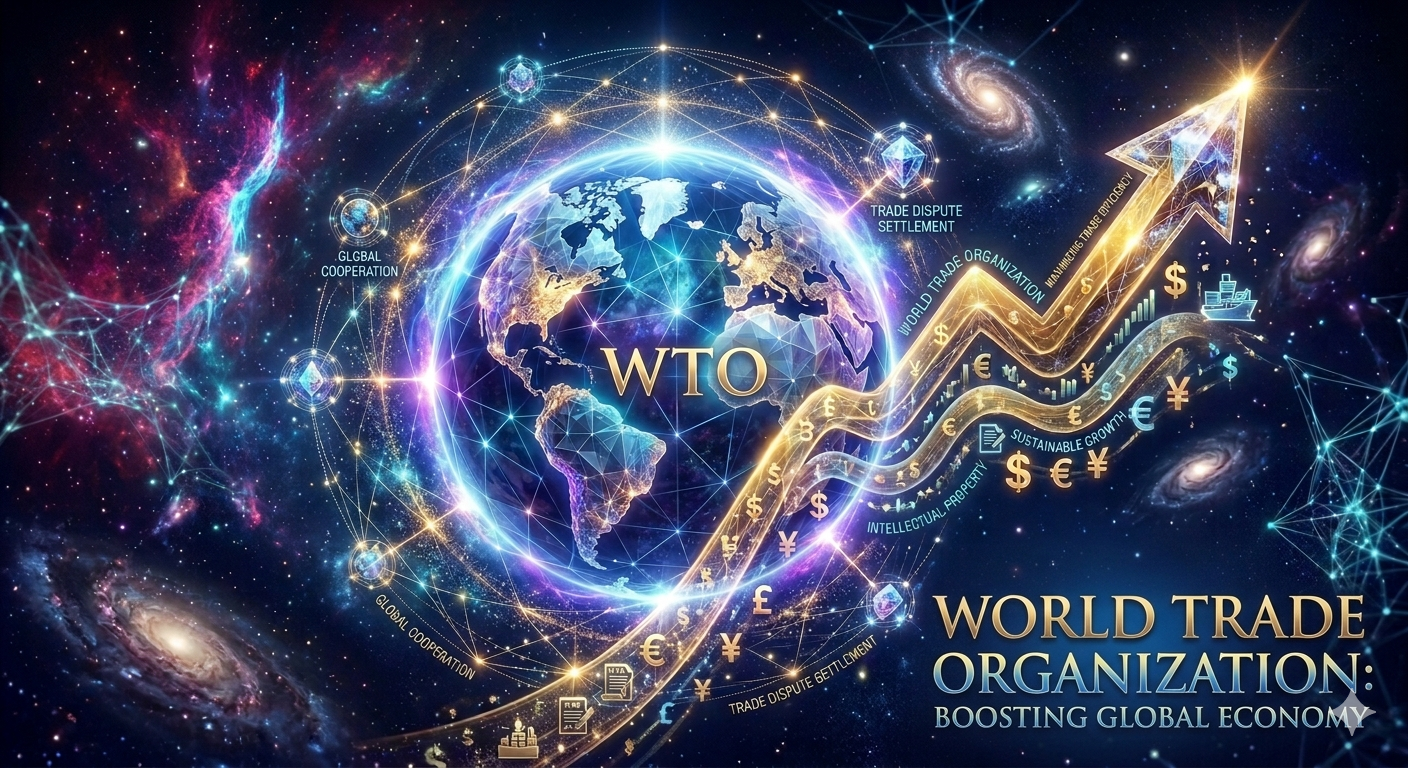
Such bilateral negotiations also interact with multilateral norms under bodies like World Trade Organization, though many modern trade issues (digital economy, climate tariffs) lie beyond traditional WTO frameworks.
This pushes countries toward customised bilateral arrangements.
Strategic Context: India–US Relations Beyond Trade
Trade talks are part of a larger partnership involving:
- Defence cooperation
- Technology sharing
- Climate collaboration
- Indo-Pacific security
Economic diplomacy reinforces these strategic ties.
The dilution of language should therefore be seen not as retreat, but as adjustment for long-term cooperation.
Challenges Ahead
Despite progress, several issues remain unresolved:
- Intellectual property standards
- Data localisation
- Carbon border measures
- Labour and environmental clauses
These will resurface during negotiations for a full trade agreement.
India will need to carefully balance openness with domestic development goals.

Conclusion
The US decision to soften its trade deal language is not a setback — it is a reflection of modern economic diplomacy.
Rather than locking both sides into rigid commitments, the revised framework creates space for dialogue, protects sensitive sectors, and keeps future negotiations flexible.
For India, this represents a pragmatic win: improved access to global markets without surrendering policy autonomy. For the US, it strengthens a strategic partnership vital to twenty-first-century geopolitics.
Ultimately, this episode shows that contemporary trade agreements are less about rigid contracts and more about adaptive cooperation in an uncertain world.