Introduction
Soil is one of the most important natural resources on Earth. It supports plant growth, maintains ecological balance, and provides the foundation for agriculture and food production. Healthy soil contains nutrients, microorganisms, organic matter, air, and water that are essential for sustaining life.
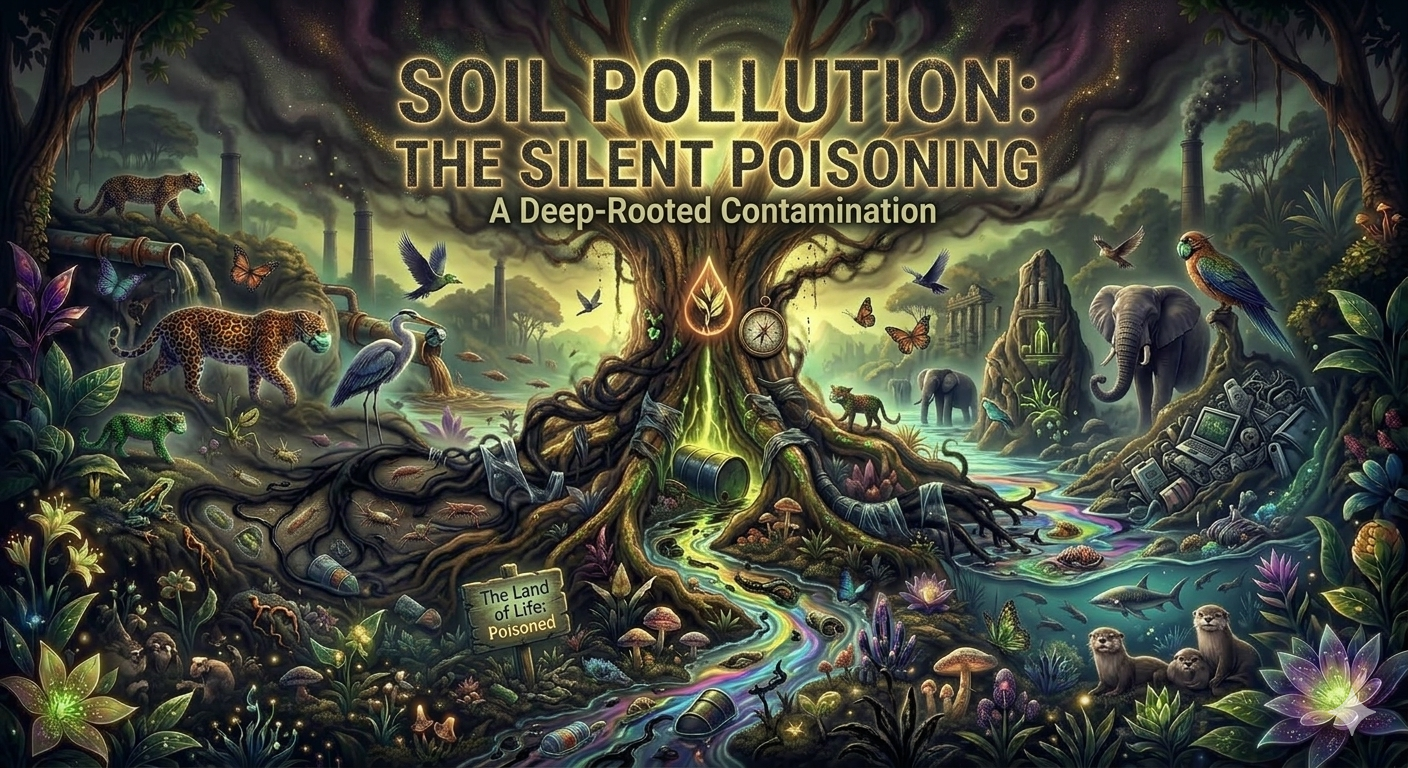
However, due to rapid industrialization, urbanization, and unsustainable agricultural practices, soil pollution has emerged as a serious environmental problem. Harmful chemicals, waste materials, and toxic substances contaminate the soil and reduce its fertility and productivity.
Soil pollution not only affects crop production but also threatens human health, biodiversity, and ecosystem stability. In the field of Environmental Science, soil pollution is considered a major environmental challenge because it disrupts natural soil processes and contaminates the food chain.
Understanding the causes of soil pollution and implementing effective control measures are essential for sustainable development and environmental protection.
Meaning and Concept of Soil Pollution
Definition of Soil Pollution
What is Soil Pollution?
Soil pollution refers to the contamination of soil by harmful substances such as chemicals, industrial waste, pesticides, heavy metals, and plastic materials that negatively affect its natural composition and fertility.
In simple terms, soil pollution occurs when toxic materials accumulate in the soil and degrade its quality, making it unsuitable for plant growth and harmful to living organisms.
Soil pollution alters the physical, chemical, and biological properties of soil, which disrupts natural ecological processes.
Major Causes of Soil Pollution
Soil pollution occurs due to several human activities and natural factors. The most significant causes are discussed below.
Industrial Waste Disposal
Industries produce large quantities of waste containing toxic chemicals and heavy metals. When this waste is dumped on land without proper treatment, it contaminates the soil.
Examples include waste from:
- Chemical industries
- Metal processing industries
- Mining operations
These wastes often contain hazardous substances such as lead, mercury, and arsenic.
Excessive Use of Chemical Fertilizers
Modern agriculture relies heavily on chemical fertilizers to increase crop production.
Although fertilizers provide nutrients to crops, their excessive use can lead to:
- Soil acidification
- Nutrient imbalance
- Reduction of beneficial microorganisms
Over time, this damages soil health and contributes to soil pollution.
Pesticides and Insecticides
Farmers often use pesticides, herbicides, and insecticides to protect crops from pests and diseases.
However, these chemicals can accumulate in the soil and remain there for long periods. Some pesticides are non-biodegradable and can enter the food chain.
Improper Waste Disposal
Solid waste from households and urban areas is often dumped on open land.
Common waste materials that pollute soil include:
- Plastic
- Electronic waste
- Construction debris
- Medical waste
These materials release harmful chemicals into the soil over time.
Mining Activities
Mining operations disturb large areas of land and release heavy metals and toxic substances into the soil.
Mining waste, also known as tailings, often contains hazardous materials that degrade soil quality.
Oil Spills and Leakage
Oil leaks from pipelines, vehicles, and storage tanks can contaminate soil. Petroleum products reduce soil fertility and make it difficult for plants to grow.
Deforestation and Land Degradation
Deforestation exposes soil to erosion and reduces the amount of organic matter in the soil.
Without vegetation cover, soil becomes more vulnerable to pollution and degradation.
Types of Soil Pollutants
Different types of pollutants contribute to soil contamination.
Chemical Pollutants
Chemical pollutants include pesticides, fertilizers, industrial chemicals, and petroleum products.
These substances alter the chemical composition of soil and harm living organisms.
Heavy Metals
Heavy metals are toxic elements that accumulate in soil through industrial waste and mining activities.
Examples include:
- Lead
- Mercury
- Cadmium
- Arsenic
These metals can enter plants and eventually reach humans through the food chain.
Biological Pollutants
Biological pollutants include pathogens and microorganisms present in sewage waste and animal manure.
These pollutants may spread diseases and contaminate agricultural land.
Plastic and Solid Waste
Plastic waste does not decompose easily and remains in the soil for long periods.
Microplastics formed from degraded plastic can harm soil organisms and plants.
Effects of Soil Pollution
Soil pollution has serious environmental, agricultural, and health consequences.
Impact on Soil Fertility
Reduction in Nutrient Content
Polluted soil often loses essential nutrients required for plant growth.
Toxic chemicals interfere with nutrient absorption and reduce soil productivity.
Destruction of Soil Microorganisms
Healthy soil contains microorganisms such as bacteria and fungi that help decompose organic matter.
Soil pollution can destroy these beneficial organisms, disrupting natural soil processes.
Impact on Agriculture
Reduced Crop Yield
Contaminated soil leads to poor plant growth and lower agricultural productivity.
Farmers may experience significant economic losses due to declining crop yields.
Contamination of Food Crops
Toxic chemicals and heavy metals present in soil can be absorbed by crops.
These contaminants may enter the food chain and affect human health.
Effects on Human Health
Soil pollution indirectly affects human health through contaminated food and water.
Possible health problems include:
- Respiratory disorders
- Skin diseases
- Nervous system damage
- Increased risk of cancer
Heavy metals such as arsenic and lead are particularly harmful when they enter the human body through food crops.
Effects on Ecosystems
Soil pollution disrupts ecological balance by harming plants, animals, and microorganisms.
Loss of soil biodiversity can weaken ecosystems and reduce their ability to recover from environmental disturbances.
Effects on Water Quality
Pollutants present in soil can seep into groundwater and contaminate drinking water sources.
This process, known as leaching, spreads pollution beyond the original source.
Methods to Control Soil Pollution
Controlling soil pollution requires a combination of technological, agricultural, and policy-based solutions.
Sustainable Agricultural Practices
Organic Farming
Organic farming avoids the use of synthetic fertilizers and pesticides.
Instead, farmers use natural fertilizers such as compost and manure, which improve soil fertility without causing pollution.
Crop Rotation
Crop rotation involves growing different crops on the same land in successive seasons.
This practice helps maintain soil nutrients and reduces the need for chemical fertilizers.
Integrated Pest Management
Integrated Pest Management (IPM) focuses on controlling pests through biological and ecological methods rather than relying solely on chemical pesticides.
Proper Waste Management
Recycling and Waste Treatment
Industrial and municipal waste should be properly treated before disposal.
Recycling reduces the amount of waste that ends up in landfills and prevents soil contamination.
Safe Disposal of Hazardous Waste
Hazardous materials such as electronic waste, batteries, and medical waste should be disposed of in specialized facilities.
This prevents toxic substances from entering the soil.
Afforestation and Reforestation
Planting trees and restoring forests helps protect soil from erosion and improves soil quality.
Vegetation also helps absorb certain pollutants from the soil.
Soil Remediation Techniques
Modern environmental technologies are used to clean contaminated soil.
Bioremediation
Bioremediation involves using microorganisms to break down toxic pollutants in soil.
Certain bacteria and fungi can convert harmful chemicals into less toxic substances.
Phytoremediation
Phytoremediation uses plants to absorb pollutants such as heavy metals from contaminated soil.
These plants help gradually remove toxins from the soil.
Government Policies and Regulations
Governments play a crucial role in controlling soil pollution through environmental laws and regulations.
Policies may include:
- Regulation of industrial waste disposal
- Restrictions on harmful pesticides
- Monitoring of soil quality
- Promotion of sustainable agriculture
Effective enforcement of these policies is essential for protecting soil resources.
Public Awareness and Community Participation
Educating people about environmental protection can help reduce soil pollution.
Communities can contribute by:
- Reducing plastic use
- Practicing waste segregation
- Supporting sustainable farming methods
Public participation is essential for long-term environmental sustainability.
Importance of Soil Conservation
Soil conservation is critical for maintaining food security and environmental balance.
Healthy soil supports agriculture, regulates water cycles, and provides habitat for countless organisms.
Protecting soil from pollution ensures sustainable use of land resources and preserves biodiversity.
Conclusion
Soil pollution is a major environmental issue caused by industrial waste, excessive use of chemicals in agriculture, improper waste disposal, mining activities, and deforestation. These activities introduce toxic substances into the soil, degrading its quality and affecting ecosystems.
The consequences of soil pollution are far-reaching. It reduces soil fertility, lowers agricultural productivity, contaminates food crops, harms human health, and disrupts ecological balance.
Effective control of soil pollution requires sustainable agricultural practices, proper waste management, environmental regulations, and public awareness. Techniques such as bioremediation, phytoremediation, and organic farming can help restore soil health.
Protecting soil is essential for ensuring food security, maintaining biodiversity, and supporting sustainable development. By adopting responsible environmental practices, societies can safeguard soil resources for present and future generations.