Home » biodiversity loss
impact of global warming

The Impact of Global Warming on Coral Life Systems

Introduction Coral reefs, often referred to as the “rainforests of the sea,” are among the most biologically diverse and productive ecosystems on Earth. They provide shelter, food, and breeding grounds for nearly one-quarter of all marine species, despite covering less than 1% of the ocean floor. Beyond biodiversity, coral ecosystems contribute to human societies by…

Read More
melting of Arctic Ice and Antarctic Glaciers and their impact on weather patterns and human activities

Impacts of Arctic Ice and Antarctic Glacier Melting on Weather Patterns and Human Activities

Introduction Climate change has accelerated the melting of polar ice in both the Arctic and Antarctic regions, leading to significant consequences for global weather systems and human societies. While both regions are polar and covered by ice, the Arctic is a frozen ocean surrounded by land, whereas the Antarctic is a frozen continent surrounded by…

Read More
Global Volcanic Eruptions

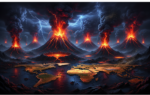
Global Volcanic Eruptions: Environmental Impacts from 2021 to 2025

Introduction Volcanic eruptions are among the most powerful natural phenomena on Earth. They are capable of reshaping landscapes, influencing global and regional climate, disrupting ecosystems, and affecting human settlements. While destructive in the short term, volcanic activity plays a crucial role in soil enrichment, land formation, and maintaining the Earth’s geological balance. Between 2021 and…

Read More
Environmental Implications of the Reclamation of Water Bodies into Urban Land Use

Urban Water Bodies Under Threat: Environmental Impacts of Reclamation

Introduction Water bodies such as lakes, ponds, wetlands, and rivers are essential components of the natural ecosystem. They regulate the hydrological cycle, recharge groundwater, control floods, provide habitats for biodiversity, and support human settlements through water supply, agriculture, and recreation. However, in rapidly urbanizing regions of the world—including India—natural water bodies are increasingly being reclaimed…

Read More
pcs mains examinations

Invasive Species and Their Impact on Native Biodiversity in India: Threats and Mitigation Strategies

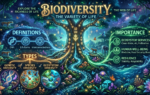
Introduction Biodiversity is a cornerstone of ecological balance and sustainability. However, one of the most significant threats to native biodiversity—often overshadowed by issues like pollution and deforestation—is the introduction and spread of invasive alien species (IAS). In India, a biodiversity-rich country with a wide range of ecosystems, invasive species pose a major threat to native…

Read More
pcs magazine

Critical Challenges in Wildlife Conservation: Examining the Barriers and Solutions for Protecting Biodiversity

Introduction Wildlife conservation is an issue of paramount importance for the future of our planet. With the growing threats to biodiversity, including habitat destruction, poaching, and climate change, the conservation of wildlife has become more crucial than ever. The loss of species not only impacts the delicate balance of ecosystems but also jeopardizes the economic,…

Read More
uppcs magazine

The Impact of Urbanization on Wildlife Habitats: Challenges and Solutions

Urbanization, the process by which cities and towns expand as human populations increase, is one of the most transformative forces shaping the modern world. As human settlements grow, they encroach upon natural landscapes, leading to the destruction or alteration of wildlife habitats. This widespread urban sprawl has profound consequences for biodiversity, ecosystem services, and the…

Read More
uppcs magazine

Effect of Change in Global Environment: Challenges and Way Forward

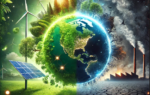
Introduction The global environment is undergoing rapid and unprecedented changes due to factors such as climate change, pollution, deforestation, industrialization, and unsustainable resource exploitation. These changes have far-reaching consequences for ecosystems, human societies, and economies. While technological advancements and globalization have improved living standards, they have also contributed to environmental degradation. This essay explores the…

Read More

Blind Industrialization: A Major Source of Environmental Pollution

Introduction Industrialization has been a driving force behind economic growth and technological advancements worldwide. It has led to increased production, job creation, and improvements in living standards. However, when industrialization occurs without proper regulations and concern for environmental consequences—often referred to as blind industrialization—it leads to severe environmental degradation. The relentless pursuit of industrial expansion…

Read More