Home » Cultural Preservation
Cultural Practices in the Name of Secularism

Challenges to Cultural Practices in the Name of Secularism

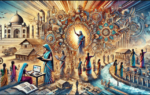
Introduction Secularism is widely regarded as one of the foundational pillars of modern democratic societies. In the Indian context, secularism implies equal respect for all religions and the protection of diverse cultural traditions. India’s Constitution envisions a society where individuals freely practice their faith while maintaining harmony among communities. However, in recent decades, a growing…

Read More
Indian Society Unique in Sustaining Its Culture

What Makes Indian Society Unique in Sustaining Its Culture? A Sociological Analysis

Introduction Indian society is often described as one of the oldest living civilizations in the world. Despite centuries of political upheavals, foreign invasions, colonial rule, and rapid modernization, India has remarkably preserved its cultural continuity. From ancient philosophical traditions to everyday social practices, Indian culture continues to thrive alongside modern institutions. What makes this resilience…

Read More
Regionalism in India

Regionalism in India: A Consequence of Rising Cultural Assertiveness?

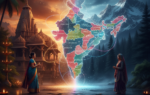
Introduction India is a civilization marked by extraordinary diversity. Its social fabric is woven from multiple languages, religions, ethnic traditions, and historical experiences. This diversity has given rise to rich cultural identities at regional levels. Alongside national consciousness, strong regional loyalties have developed over time. These loyalties sometimes express themselves as regionalism—a sentiment where people…

Read More
Tribal Knowledge Systems in Comparison with Mainstream Knowledge and Cultural Frameworks

Tribal Knowledge Systems vs Mainstream Culture

Introduction Human societies have developed diverse systems of knowledge over thousands of years. While mainstream knowledge systems—largely shaped by formal education, scientific institutions, written traditions, and state governance—dominate contemporary discourse, tribal knowledge systems represent an equally profound but often underappreciated intellectual heritage. Tribal knowledge is rooted in lived experience, ecological intimacy, oral traditions, and collective…

Read More
pcs magazine

Challenges and Pathways to the Empowerment of Scheduled Tribes in India

Introduction Scheduled Tribes (STs) in India constitute a significant portion of the population, representing diverse indigenous communities with distinct cultural identities. Despite constitutional provisions and affirmative action policies aimed at their upliftment, STs continue to face socio-economic marginalization. This article critically evaluates the primary challenges hindering the empowerment of Scheduled Tribes in India and explores…

Read More