
pcs magazine

The Philosophy of Indian Democracy: A Study of the Preamble of the Constitution

Introduction The Constitution of India is the supreme law of the land, laying the foundation for governance and the rights of citizens. At the heart of this monumental document lies its Preamble, a guiding philosophy that encapsulates the essence of Indian democracy. The Preamble is not just an introduction but a declaration of the fundamental…

Read More
pcs magazine

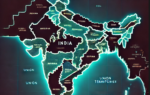
Number of States and Union Territories in India

Introduction India, the seventh-largest country in the world, is known for its vast geographical expanse and diverse culture. Administratively, India is divided into 28 states and 8 Union Territories (UTs) as of today. The country has undergone multiple reorganizations since independence in 1947, shaping its current political structure. This article delves into the historical evolution,…

Read More
pcs magazine

The Role of Pressure Groups in Indian Politics: Influence, Challenges, and Contributions

Pressure groups, also known as interest groups or advocacy groups, are organizations or collectives that seek to influence government policies and decisions in favor of their members’ interests or causes. In India, these groups have gained significant prominence due to the country’s democratic structure and diverse socio-economic landscape. They play a crucial role in the…

Read More
uppcs magazine

Challenges of the Panchayati Raj System in India and the Impact of the 73rd Constitutional Amendment

Introduction The Panchayati Raj System (PRS) in India was introduced to establish a decentralized form of governance and empower rural self-governance. It was expected to bring governance closer to the people, promote participatory democracy, and ensure the efficient delivery of local services. However, despite its potential, the system has faced several challenges that have hindered…

Read More