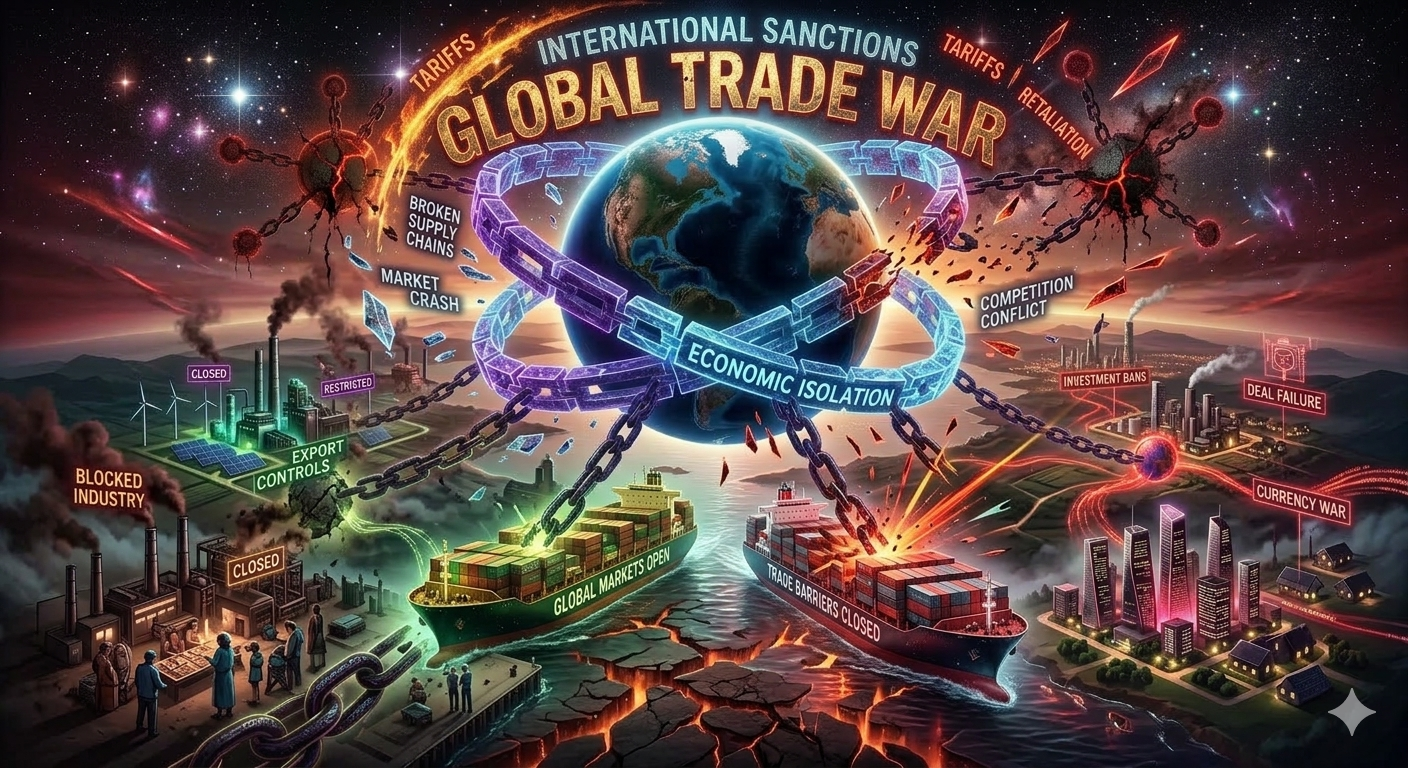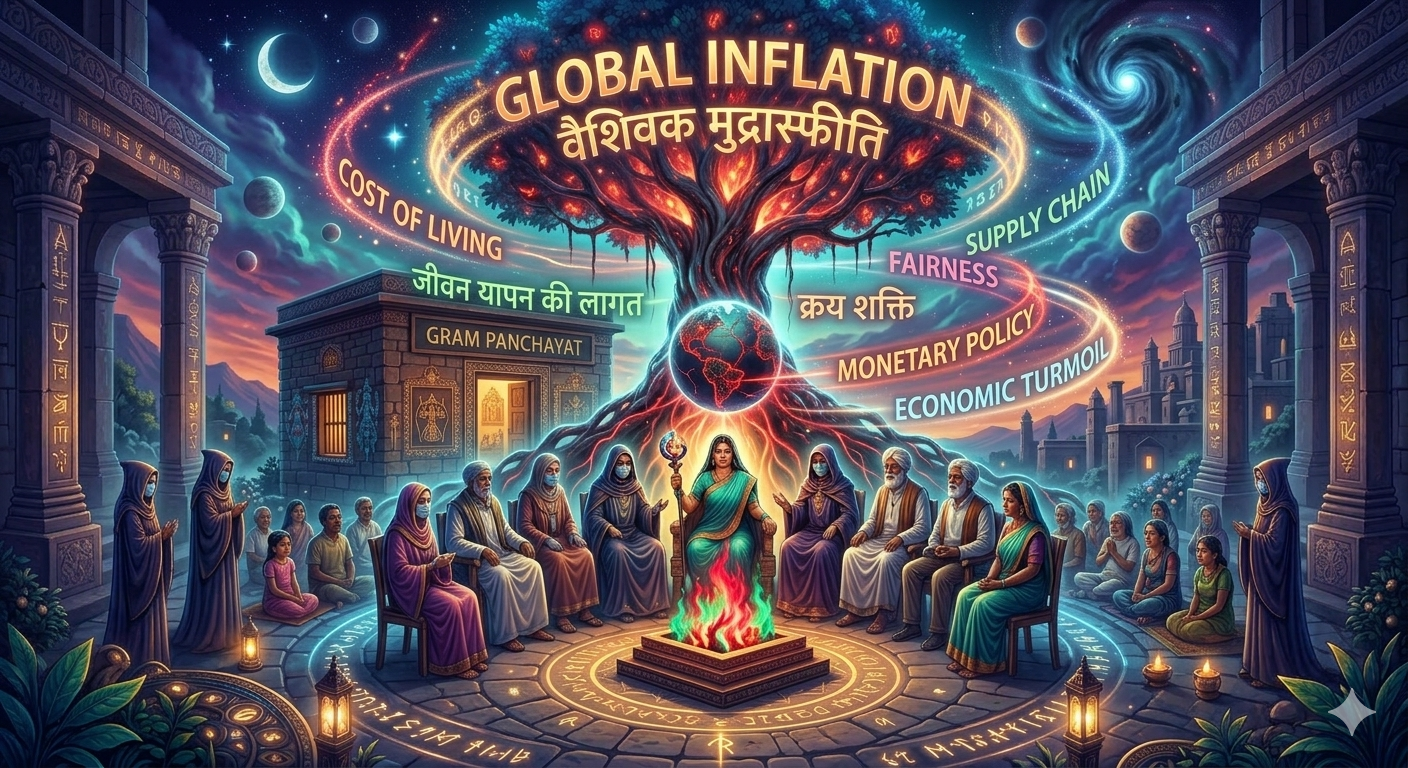
Global inflation refers to a situation where prices of goods and services increase simultaneously across many countries around the world. In recent years, the global economy has experienced significant inflation due to various factors such as supply chain disruptions, rising energy prices, geopolitical tensions, and economic recovery after global crises. These developments have affected both developed and developing countries, but the impact is often more severe on developing economies.
Inflation in developed countries influences international trade, financial markets, and economic stability across the globe. When prices rise in advanced economies such as the United States, United Kingdom, and European Union, the consequences are transmitted to developing nations through trade, capital flows, currency fluctuations, and commodity prices. These economic linkages mean that inflation is not only a domestic issue but also a global challenge.
Understanding the impact of global inflation on developing economies is important because these countries often have limited financial resources, weaker institutions, and greater dependence on international markets.
Meaning and Causes of Global Inflation
Definition of Global Inflation
Global inflation can be defined as a sustained increase in the overall price level of goods and services across multiple economies at the same time. It occurs when global demand exceeds supply or when production costs increase worldwide.
In the modern interconnected world economy, inflation in one region can quickly spread to other regions due to strong trade and financial connections.
Major Causes of Global Inflation
Several global factors contribute to rising prices across countries.
Supply Chain Disruptions
International supply chains are essential for global trade. When disruptions occur due to pandemics, conflicts, or logistical problems, production costs increase and goods become more expensive worldwide.
Rising Energy Prices
Energy prices play a major role in global inflation. Oil and gas prices affect transportation, manufacturing, and agriculture. Organizations such as Organization of the Petroleum Exporting Countries influence global oil supply, which in turn affects global price levels.
Expansionary Monetary Policies
Many developed countries adopt expansionary monetary policies during economic crises. Institutions such as the Federal Reserve System and the European Central Bank sometimes increase money supply and reduce interest rates to stimulate economic growth. While these measures support economic recovery, they can also contribute to inflation.
Geopolitical Conflicts
International conflicts and geopolitical tensions can disrupt trade and energy supplies, leading to rising prices globally.
Transmission of Inflation from Developed to Developing Countries
Trade Linkages
Developing economies depend heavily on imports from developed countries, including machinery, technology, and industrial products. When inflation raises production costs in developed countries, export prices increase.
As a result, developing countries must pay higher prices for imported goods.
Commodity Price Fluctuations
Developing economies are particularly vulnerable to fluctuations in global commodity prices such as oil, food grains, and metals. Rising global prices increase the cost of imports and create inflationary pressure within these countries.
Currency Depreciation
When inflation rises in developed countries, central banks often increase interest rates. Higher interest rates attract international capital to developed economies. As a result, capital flows out of developing countries, weakening their currencies.
Currency depreciation makes imports more expensive, which further increases inflation in developing economies.
Capital Flow Volatility
Global inflation often leads to changes in international investment patterns. Investors move funds to countries offering higher returns, usually developed economies with strong financial markets.
This movement of capital can create financial instability in developing nations.
Impact of Global Inflation on Developing Economies
Rising Cost of Imports
One of the most direct impacts of global inflation on developing economies is the rising cost of imports. Many developing countries depend on imported fuel, machinery, fertilizers, and food products.
When global prices increase, these countries must spend more on imports, which increases their trade deficits and reduces foreign exchange reserves.
Increase in Domestic Inflation
Higher import prices lead to higher production costs for local industries. These costs are often passed on to consumers, causing domestic inflation.
For example:
- Rising fuel prices increase transportation costs.
- Higher fertilizer prices affect agricultural production.
- Expensive imported raw materials raise manufacturing costs.
This chain reaction spreads inflation throughout the economy.
Pressure on Government Budgets
Governments in developing countries often provide subsidies for fuel, food, and fertilizers to protect vulnerable populations. However, global inflation increases the cost of these subsidies.
As a result, governments face higher fiscal deficits and financial pressure.
Impact on Poverty and Inequality
Inflation disproportionately affects low-income households. Poor families spend a larger share of their income on essential goods such as food, fuel, and housing.
When prices rise rapidly:
- Real incomes decline.
- Purchasing power decreases.
- Poverty levels may increase.
Therefore, global inflation can worsen economic inequality in developing nations.
Slower Economic Growth
High inflation creates uncertainty in the economy. Businesses face higher production costs, while consumers reduce spending due to declining purchasing power.
This combination often leads to slower economic growth and reduced investment in developing countries.
Impact on International Trade
Increase in Trade Costs
Inflation raises the cost of production, transportation, and logistics worldwide. Higher costs reduce the competitiveness of exports from developing countries.
Export-oriented industries may suffer from declining demand in international markets.
Decline in Global Demand
When inflation rises in developed countries, consumers reduce spending. Since developed economies are major markets for exports from developing countries, lower demand can reduce export earnings.
Disruption of Supply Chains
Global inflation can disrupt supply chains by increasing costs and reducing production efficiency. Businesses may delay investments or reduce production due to uncertainty about future prices.
Impact on Economic Stability
Financial Market Volatility
Global inflation often leads to interest rate hikes in developed economies. These policy changes can create volatility in global financial markets.
Developing countries may experience:
- Stock market fluctuations
- Currency instability
- Capital outflows
Debt Burden on Developing Countries
Many developing countries rely on external borrowing to finance development projects. When global interest rates rise due to inflation, the cost of borrowing also increases.
This makes it more difficult for developing countries to repay debts and maintain financial stability.
International organizations such as the International Monetary Fund and the World Bank often provide financial assistance to countries facing such economic challenges.
Risk of Economic Crises
Persistent inflation combined with high debt levels can lead to economic crises in vulnerable economies. Countries with limited foreign reserves and weak financial systems are particularly at risk.
Policy Responses by Developing Countries
Monetary Policy Measures
Central banks in developing countries often respond to global inflation by increasing interest rates to control domestic price levels.
However, higher interest rates can also slow economic growth by reducing investment and consumer spending.
Fiscal Policy Measures
Governments may adopt fiscal measures such as:
- Targeted subsidies for essential goods
- Social welfare programs for vulnerable populations
- Reduction of import taxes on critical commodities
These measures help reduce the impact of rising prices on citizens.
Diversification of Trade
Developing countries can reduce their vulnerability to global inflation by diversifying trade partners and expanding domestic production.
For example:
- Promoting local manufacturing
- Encouraging agricultural self-sufficiency
- Expanding regional trade agreements
Such strategies help reduce dependence on expensive imports.
Strengthening International Cooperation
International cooperation plays an important role in managing global inflation. Institutions such as the World Trade Organization facilitate dialogue and cooperation among countries to maintain stable trade relations.
Long-Term Strategies for Developing Economies
Building Economic Resilience
Developing countries must strengthen their economic resilience by improving infrastructure, promoting technological innovation, and diversifying industries.
Strengthening Domestic Supply Chains
Developing strong domestic supply chains reduces dependence on imports and helps stabilize prices.
Investment in Renewable Energy
Energy price shocks are a major driver of inflation. Investing in renewable energy sources can reduce dependence on imported fossil fuels and protect economies from global price fluctuations.
Enhancing Financial Stability
Developing countries need strong financial institutions and regulatory frameworks to manage capital flows and maintain economic stability.
Conclusion
Global inflation is a complex economic phenomenon that affects countries across the world. However, developing economies are often more vulnerable due to their dependence on international trade, external borrowing, and imported commodities.
Rising prices in developed countries influence developing economies through multiple channels, including trade costs, capital flows, currency depreciation, and commodity price fluctuations. These effects can lead to higher domestic inflation, increased poverty, fiscal pressure, and slower economic growth.
At the same time, global inflation also affects international trade by increasing production costs and reducing demand in global markets. These developments can create financial instability and economic uncertainty in many developing countries.
To address these challenges, developing economies must adopt balanced monetary and fiscal policies, strengthen domestic industries, diversify trade relations, and cooperate with international institutions such as the International Monetary Fund and the World Bank.
In the long term, building resilient economic systems and reducing dependence on volatile global markets will be essential for ensuring sustainable growth and economic stability in developing countries.