Introduction
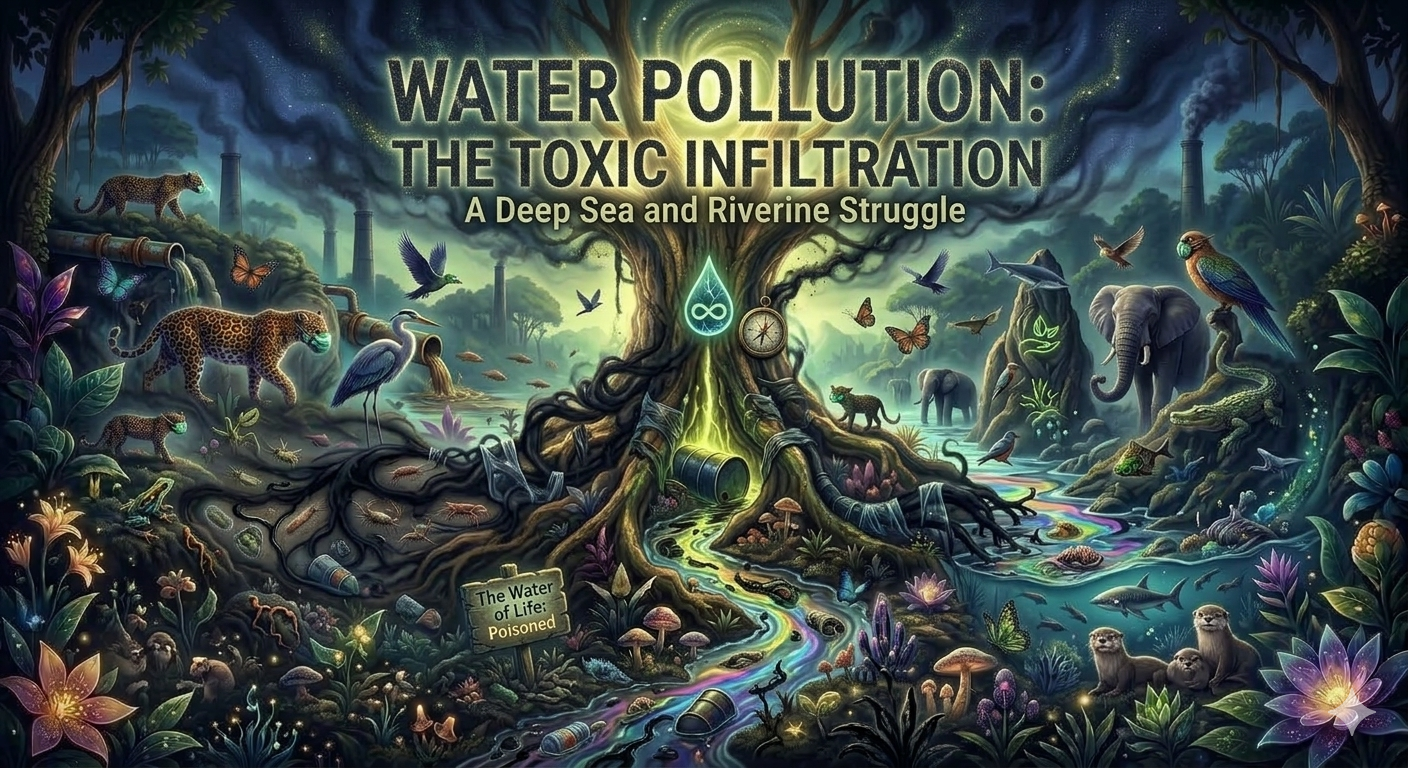
Water is one of the most essential natural resources required for the survival of all living organisms. It is necessary for drinking, agriculture, sanitation, and industrial activities. However, the increasing level of pollution in rivers, lakes, oceans, and groundwater has become a serious environmental and public health concern across the world.
Water pollution occurs when harmful substances such as chemicals, microorganisms, industrial waste, and sewage contaminate water bodies and degrade water quality. Contaminated water not only affects aquatic ecosystems but also poses severe risks to human health. Millions of people around the world suffer from water-related diseases due to unsafe drinking water and poor sanitation.
In the field of Environmental Science and Public Health, water pollution is considered one of the most significant environmental threats affecting human well-being. Understanding how polluted water impacts human health is essential for developing effective strategies to protect communities and ensure access to safe drinking water.
Meaning and Concept of Water Pollution
Definition of Water Pollution
What is Water Pollution?
Water pollution refers to the contamination of water bodies such as rivers, lakes, seas, and groundwater by harmful substances that make the water unsafe for human use and harmful for aquatic life.
In simple terms, water pollution occurs when pollutants enter water sources and alter their physical, chemical, or biological characteristics.
These pollutants may include:
- Industrial chemicals
- Sewage and wastewater
- Agricultural runoff
- Heavy metals
- Pathogenic microorganisms
When contaminated water is consumed or used by humans, it can lead to a wide range of health problems.
Major Sources of Water Pollution Affecting Human Health
Understanding the sources of water pollution helps explain how pollutants enter drinking water systems.
Industrial Waste
Many industries discharge untreated chemicals, heavy metals, and toxic substances into nearby water bodies. These pollutants contaminate water sources used for drinking and irrigation.
Domestic Sewage
Untreated sewage from households contains bacteria, viruses, and organic waste. When released into rivers and lakes, it contaminates water with disease-causing microorganisms.
Agricultural Runoff
The use of fertilizers, pesticides, and herbicides in agriculture can contaminate water sources through surface runoff.
These chemicals can enter groundwater and drinking water supplies.
Plastic and Solid Waste
Improper disposal of plastic and solid waste pollutes rivers and oceans, releasing harmful chemicals into water.
Oil Spills and Marine Pollution
Oil spills from ships and offshore drilling contaminate marine water and affect coastal communities.
Types of Water Pollutants That Affect Human Health
Water pollution includes several types of pollutants that pose risks to human health.
Biological Pollutants
Biological pollutants include microorganisms that cause infectious diseases.
Examples include:
- Bacteria
- Viruses
- Protozoa
- Parasites
These microorganisms can cause severe waterborne diseases.
Chemical Pollutants
Chemical pollutants include toxic substances such as pesticides, industrial chemicals, and detergents.
Long-term exposure to these chemicals can cause serious health problems.
Heavy Metals
Heavy metals such as lead, mercury, arsenic, and cadmium may enter water bodies through industrial waste and mining activities.
These metals are highly toxic and accumulate in the human body over time.
Nutrient Pollution
Excess nutrients such as nitrogen and phosphorus from fertilizers can lead to algal blooms in water bodies.
Certain algae produce toxins that contaminate drinking water.
Effects of Water Pollution on Human Health
Water pollution has a wide range of health effects that may be immediate or long-term.
Waterborne Diseases
Spread of Infectious Diseases
Contaminated water is a major source of waterborne diseases. These diseases are caused by pathogenic microorganisms present in polluted water.
Common waterborne diseases include:
- Cholera
- Typhoid Fever
- Dysentery
- Hepatitis A
These diseases spread through the consumption of contaminated water or food prepared using polluted water.
Symptoms of Waterborne Diseases
Waterborne diseases often cause symptoms such as:
- Severe diarrhea
- Vomiting
- Dehydration
- Fever
- Abdominal pain
If untreated, some of these diseases can become life-threatening, especially for children and elderly individuals.
Effects on the Digestive System
Contaminated water can severely affect the human digestive system.
Gastrointestinal Disorders
Consumption of polluted water may cause:
- Stomach infections
- Intestinal inflammation
- Chronic diarrhea
Repeated exposure to contaminated water can weaken the digestive system and reduce nutrient absorption.
Impact on the Nervous System
Certain pollutants in water can damage the nervous system.
Heavy Metal Toxicity
Heavy metals such as mercury and lead can accumulate in the human body and affect brain function.
Possible effects include:
- Memory loss
- Learning difficulties
- Behavioral changes
- Nervous system disorders
Children are particularly vulnerable to neurological damage caused by toxic metals.
Effects on the Liver and Kidneys
Toxic chemicals present in polluted water can damage vital organs such as the liver and kidneys.
Liver Damage
Certain industrial chemicals and toxins can impair liver function and cause long-term health problems.
Kidney Disorders
Heavy metals and chemical pollutants may damage kidney tissues and reduce their ability to filter waste from the blood.
Skin and Eye Problems
Using contaminated water for bathing or washing can lead to skin and eye infections.
Skin Diseases
Polluted water can cause:
- Skin rashes
- Dermatitis
- Allergic reactions
Eye Irritation
Chemical pollutants and microorganisms may cause redness, irritation, and infections in the eyes.
Effects on Reproductive Health
Some chemical pollutants present in water can affect reproductive health.
Hormonal Disruption
Certain chemicals act as endocrine disruptors, interfering with hormonal balance in the body.
Birth Defects
Exposure to toxic substances such as heavy metals and pesticides during pregnancy may increase the risk of birth defects and developmental problems in infants.
Long-term Health Impacts
Continuous exposure to polluted water may result in chronic health conditions.
Cancer Risk
Certain chemicals present in polluted water, such as arsenic and industrial solvents, are associated with an increased risk of cancer.
Chronic Diseases
Long-term exposure to contaminants may contribute to diseases such as:
- Kidney disease
- Liver disorders
- Neurological conditions
Psychological and Social Impacts
Water pollution not only affects physical health but also has psychological and social consequences.
Stress and Anxiety
Communities suffering from unsafe drinking water often experience stress and fear regarding their health.
Economic Burden
Medical treatment for water-related diseases can place a financial burden on families and healthcare systems.
Vulnerable Populations
Certain groups are more vulnerable to the health impacts of water pollution.
Children
Children are highly susceptible to waterborne diseases due to weaker immune systems.
Elderly Individuals
Older adults may experience more severe health effects due to existing medical conditions.
Pregnant Women
Exposure to polluted water during pregnancy can affect both mother and fetus.
Preventive Measures to Protect Human Health
Several measures can help reduce the health risks associated with water pollution.
Safe Drinking Water
Providing access to clean and safe drinking water is essential for preventing waterborne diseases.
Water purification methods include:
- Boiling
- Filtration
- Chlorination
Proper Waste Management
Industries and municipalities must treat wastewater before releasing it into natural water bodies.
Sustainable Agricultural Practices
Reducing the excessive use of chemical fertilizers and pesticides can prevent contamination of water sources.
Public Awareness
Educating communities about sanitation, hygiene, and water safety can help reduce the spread of diseases.
Government Regulations
Strict environmental laws and regulations can help control industrial pollution and protect water resources.
Conclusion
Water pollution is a serious environmental and public health problem that affects millions of people worldwide. It occurs when harmful substances such as chemicals, heavy metals, sewage, and microorganisms contaminate water bodies and make the water unsafe for human consumption.
The health impacts of polluted water are wide-ranging, including waterborne diseases, digestive disorders, neurological damage, organ failure, skin infections, and long-term chronic illnesses. Vulnerable groups such as children, elderly individuals, and pregnant women are particularly at risk.
Addressing water pollution requires coordinated efforts from governments, industries, communities, and individuals. Ensuring access to clean drinking water, improving waste management systems, adopting sustainable agricultural practices, and promoting environmental awareness are essential steps toward protecting human health.
Ultimately, safeguarding water resources is crucial for maintaining public health, supporting sustainable development, and ensuring the well-being of future generations.