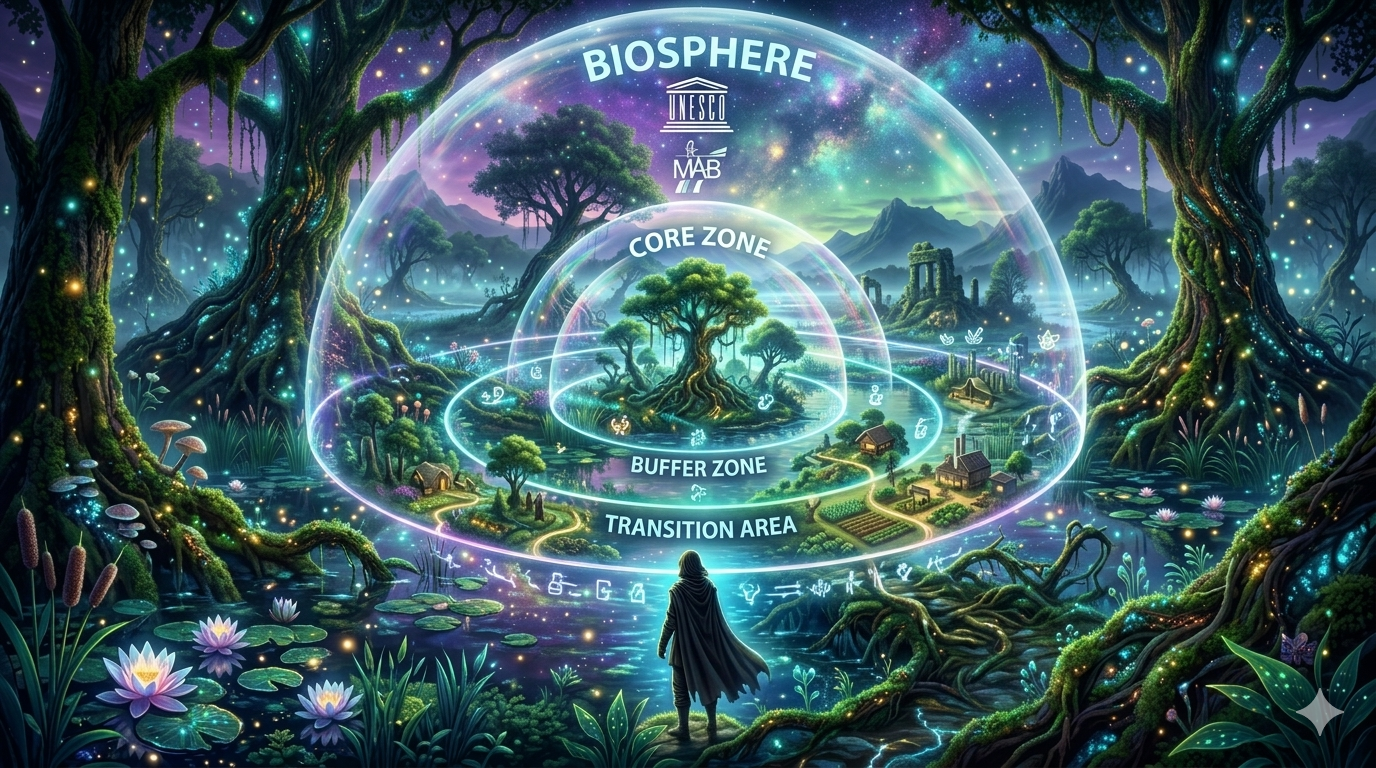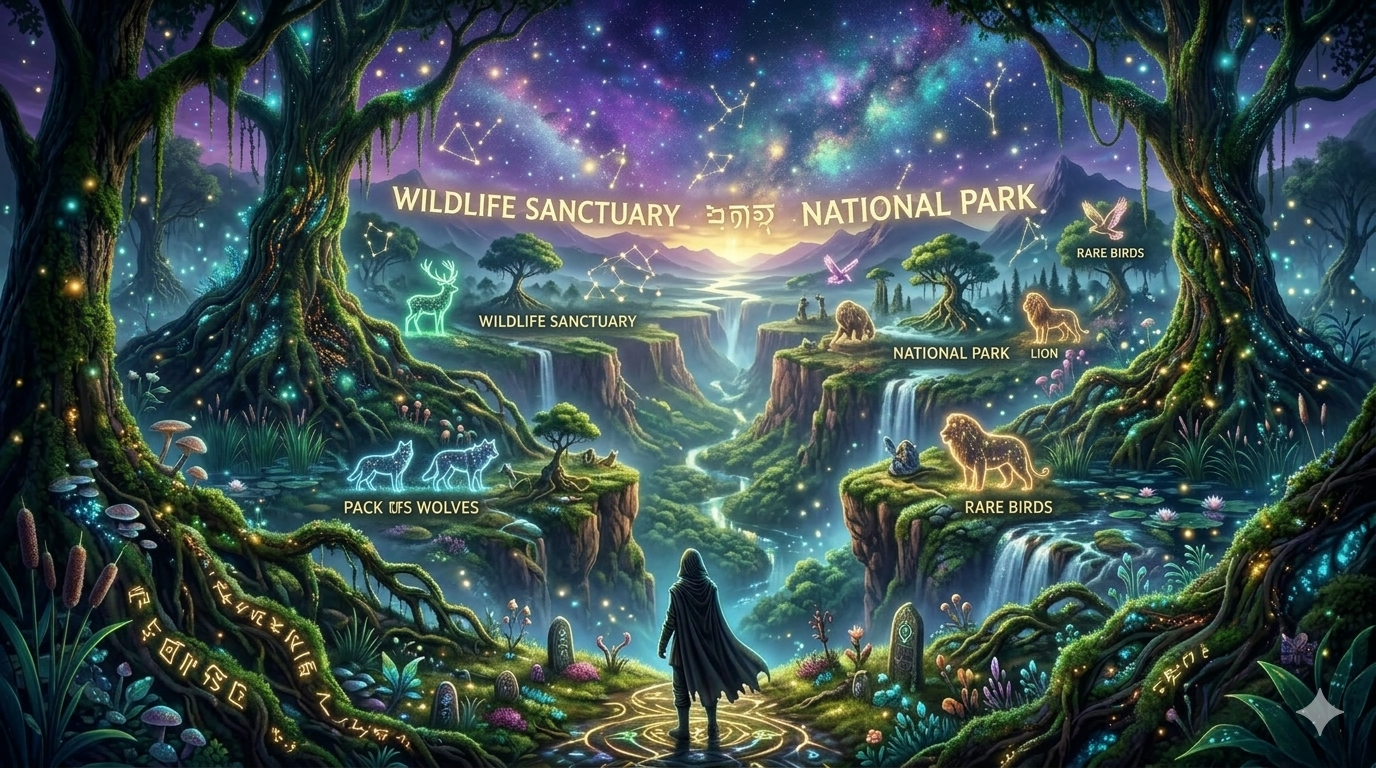
The natural world is home to millions of species of plants, animals, and microorganisms that interact with each other to form complex ecosystems. These ecosystems maintain ecological balance and provide essential services such as clean air, water purification, climate regulation, and soil fertility. However, rapid industrialization, urbanization, deforestation, illegal hunting, and environmental pollution have placed immense pressure on wildlife and natural habitats. Many species are now endangered, and several ecosystems have been severely degraded.
To address these challenges and protect biodiversity, governments across the world have established protected areas such as wildlife sanctuaries and national parks. These protected regions are designated to conserve wildlife, preserve natural habitats, and maintain ecological balance. They also provide opportunities for scientific research, environmental education, and eco-tourism.
Wildlife sanctuaries and national parks play a crucial role in safeguarding biodiversity and ensuring the survival of endangered species. By protecting ecosystems and restricting harmful human activities, these conservation areas help maintain environmental stability and promote sustainable coexistence between humans and nature.
Understanding Wildlife Conservation Areas
Importance of Protected Areas
Protected areas are specific regions that are legally safeguarded to conserve biodiversity and natural ecosystems. They help protect flora and fauna from threats such as habitat destruction, poaching, and pollution.
The establishment of wildlife sanctuaries and national parks ensures that natural habitats remain undisturbed and species can survive and reproduce in a secure environment.
Protected areas contribute to:
- Biodiversity conservation
- Protection of endangered species
- Preservation of ecosystems
- Environmental research and education
- Promotion of eco-tourism
These benefits make protected areas an essential component of environmental conservation strategies.
What Are Wildlife Sanctuaries?
Definition of Wildlife Sanctuaries
A wildlife sanctuary is a protected area where animals and birds are safeguarded from hunting, poaching, and habitat destruction. The primary objective of a wildlife sanctuary is to provide a safe environment for wildlife to live and reproduce naturally.
In wildlife sanctuaries, certain human activities such as grazing, collection of forest products, and limited tourism may be allowed, provided they do not harm the wildlife or their habitats.
Wildlife sanctuaries are established to protect specific species or ecosystems that are under threat.
Objectives of Wildlife Sanctuaries
Wildlife sanctuaries are created with several conservation goals in mind.
The major objectives include:
- Protecting wildlife from hunting and poaching
- Conserving natural habitats
- Preserving endangered species
- Promoting biodiversity conservation
- Supporting ecological balance
By achieving these objectives, wildlife sanctuaries contribute significantly to environmental protection.
Characteristics of Wildlife Sanctuaries
Wildlife sanctuaries have several distinctive features that help them function effectively as conservation areas.
Important characteristics include:
- Protection of animals and birds in their natural habitats
- Legal protection against hunting and poaching
- Limited human activities allowed under regulation
- Focus on conservation of particular species or ecosystems
These features ensure that wildlife can survive without excessive human disturbance.
Importance of Wildlife Sanctuaries
Wildlife sanctuaries provide numerous ecological and environmental benefits.
Protection of Endangered Species
Many species that are threatened or endangered find refuge in wildlife sanctuaries where they are protected from human exploitation.
Preservation of Natural Habitats
Sanctuaries protect forests, grasslands, wetlands, and other habitats that are essential for wildlife survival.
Promotion of Biodiversity
By protecting different species and ecosystems, wildlife sanctuaries help maintain biodiversity.
Environmental Education
Wildlife sanctuaries serve as centers for environmental awareness and education.
What Are National Parks?
Definition of National Parks
A national park is a large protected area established by the government to conserve wildlife, natural landscapes, and ecosystems. National parks are strictly protected regions where human activities are highly restricted to preserve the natural environment.
Unlike wildlife sanctuaries, national parks do not allow activities such as grazing, forestry, or human settlement within their boundaries.
National parks aim to protect entire ecosystems rather than focusing on a single species.
Objectives of National Parks
The establishment of national parks serves several important purposes.
Major objectives include:
- Conservation of wildlife and natural habitats
- Protection of biodiversity
- Preservation of natural landscapes
- Promotion of ecological research
- Encouragement of eco-tourism and environmental awareness
These objectives ensure long-term protection of ecosystems and biodiversity.
Characteristics of National Parks
National parks have certain defining characteristics that distinguish them from other protected areas.
Key features include:
- Strict protection of ecosystems
- Prohibition of hunting, grazing, and exploitation of resources
- No human settlements inside park boundaries
- Scientific research and tourism allowed under strict regulations
These measures ensure that national parks remain largely undisturbed natural environments.
Difference Between Wildlife Sanctuaries and National Parks
Although both wildlife sanctuaries and national parks aim to protect wildlife and ecosystems, there are several differences between them.
Level of Protection
- Wildlife sanctuaries offer protection to animals but may allow limited human activities.
- National parks provide stricter protection with minimal human interference.
Human Activities
- Activities such as grazing and collection of forest products may be allowed in wildlife sanctuaries under regulation.
- Such activities are generally prohibited in national parks.
Focus of Conservation
- Wildlife sanctuaries may focus on protecting specific species.
- National parks aim to protect entire ecosystems and landscapes.
Legal Restrictions
- National parks have stricter legal protection compared to wildlife sanctuaries.
Both types of protected areas are important for conserving biodiversity.
Importance of Wildlife Sanctuaries and National Parks
Wildlife sanctuaries and national parks play a vital role in environmental conservation.
Conservation of Biodiversity
These protected areas help conserve a wide variety of plant and animal species, ensuring the survival of biodiversity.
Protection of Ecosystems
They protect ecosystems such as forests, grasslands, wetlands, and mountains from human exploitation.
Prevention of Species Extinction
By providing safe habitats, protected areas help prevent the extinction of endangered species.
Scientific Research and Education
Researchers study wildlife behavior, ecosystem dynamics, and conservation methods in these areas.
Educational programs help raise awareness about environmental conservation.
Promotion of Eco-Tourism
Wildlife sanctuaries and national parks attract tourists interested in nature and wildlife.
Eco-tourism generates income while promoting conservation awareness.
Wildlife Sanctuaries and National Parks in India
India has established numerous wildlife sanctuaries and national parks to protect its rich biodiversity.
Some well-known examples include:
- Jim Corbett National Park
- Kaziranga National Park
- Ranthambore National Park
- Gir Wildlife Sanctuary
- Bharatpur Bird Sanctuary
These protected areas are home to diverse wildlife species including tigers, elephants, rhinoceroses, lions, and numerous bird species.
Role in Climate and Environmental Stability
Wildlife sanctuaries and national parks also contribute to climate regulation and environmental sustainability.
Carbon Sequestration
Forests within protected areas absorb carbon dioxide and help mitigate climate change.
Soil and Water Conservation
Vegetation cover prevents soil erosion and maintains water cycles.
Maintenance of Ecological Balance
Protected areas support natural ecological processes such as pollination, nutrient cycling, and food chains.
Threats to Wildlife Sanctuaries and National Parks
Despite legal protection, these conservation areas face several challenges.
Poaching and Illegal Hunting
Illegal wildlife trade remains a serious threat to many species.
Habitat Loss
Expansion of agriculture, infrastructure, and urban development can damage habitats.
Climate Change
Changing climate conditions can affect wildlife populations and ecosystems.
Human-Wildlife Conflict
Animals sometimes move outside protected areas in search of food, leading to conflicts with local communities.
Conservation Strategies
To protect wildlife sanctuaries and national parks, several conservation strategies are necessary.
Strengthening Legal Protection
Strict enforcement of environmental laws can prevent illegal activities.
Community Participation
Local communities should be involved in conservation efforts and benefit from eco-tourism.
Sustainable Tourism
Tourism activities must be regulated to minimize environmental damage.
Scientific Monitoring
Regular monitoring helps track wildlife populations and ecosystem health.
Future Importance of Protected Areas
In the coming decades, wildlife sanctuaries and national parks will become even more important due to increasing environmental pressures.
These protected areas will help:
- Preserve biodiversity
- Combat climate change
- Protect endangered species
- Maintain ecological balance
Expanding and strengthening protected areas will be essential for sustainable environmental management.
Conclusion
Wildlife sanctuaries and national parks are vital components of global conservation efforts. They provide safe habitats for wildlife, protect ecosystems, and maintain biodiversity. While wildlife sanctuaries allow limited human activities under regulation, national parks provide stricter protection to preserve entire ecosystems.
These protected areas support scientific research, environmental education, and eco-tourism while contributing to climate regulation and ecological stability. Despite facing challenges such as poaching, habitat destruction, and climate change, wildlife sanctuaries and national parks remain essential for safeguarding the planet’s natural heritage.
Strengthening conservation policies, promoting community participation, and encouraging sustainable practices will ensure the long-term success of these protected areas. Protecting wildlife and natural habitats today is crucial for maintaining ecological balance and ensuring a sustainable future for generations to come.