Introduction
Geography is an important component of the UPSC Civil Services Examination as it appears in both Prelims and Mains. It also supports topics like environment, disaster management, agriculture, and climate change. Proper book selection helps aspirants understand concepts clearly, improve map skills, and write analytical answers. A limited but focused set of books is enough for strong preparation.
Buy Geography NCERT Book Classes 6-12 (Old & New NCERT Edition) Latest Edition
Why Geography Needs a Structured Booklist
• Geography connects physical processes with human activities.
• UPSC asks conceptual and application-based questions.
• Random reading causes repetition and confusion.
• Systematic books help develop spatial thinking and analytical ability.
• Maps and diagrams are essential, so atlas use is mandatory.
Step 1: Start with NCERT Textbooks (Foundation Level)
NCERTs provide basic concepts in simple language and should be read first.
Important NCERT Classes
• Class 6–7: Earth systems, landforms, environment
• Class 8: Resources and development
• Class 9–10: Indian physical and economic geography
• Class 11: Physical geography + India physical environment
• Class 12: Human geography + India people and economy
Why NCERTs Matter
• Clear explanations of basic concepts
• Useful maps and diagrams
• Direct relevance to UPSC Prelims
• Strong base for advanced books
Step 2: Indian Geography Reference Books
After NCERTs, aspirants should study one standard Indian geography book.
Purpose of Indian Geography Books
• Detailed coverage of climate, rivers, soils, agriculture, industries
• Understanding regional development patterns
• Helps in GS Mains answers
• Provides case studies and spatial examples
Topics Covered
• Physiography of India
• Monsoon system
• Natural resources
• Population distribution
• Transport networks
• Urbanization challenges
• Environmental issues
Step 3: Physical Geography (Concept Strengthening)
Physical geography explains natural processes shaping Earth.
Key Areas
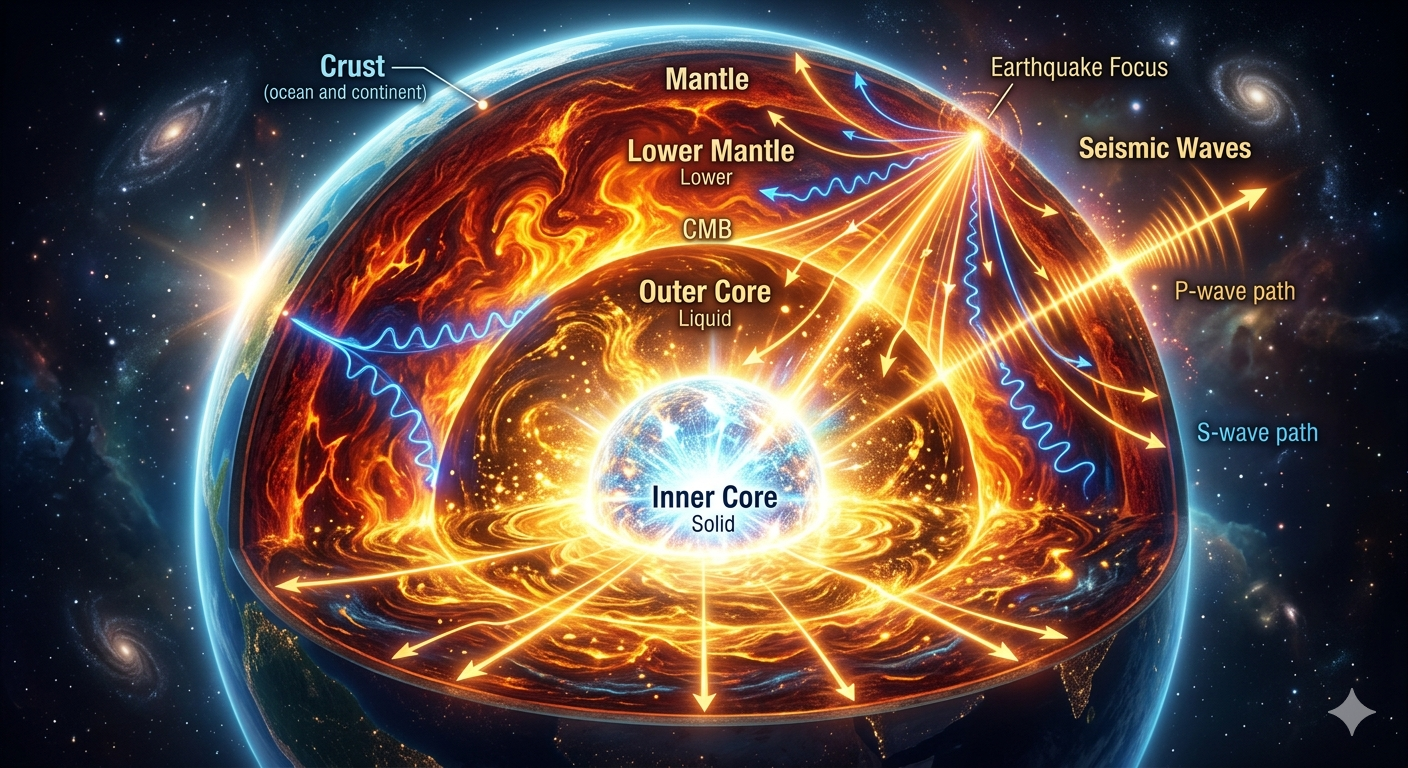
• Plate tectonics
• Weather systems
• Ocean currents
• Landform evolution
• Climate mechanisms
Benefits
• Improves conceptual clarity
• Helps answer disaster and climate questions
• Supports diagram-based answers
Advanced physical geography books are useful but optional for GS candidates.
Step 4: Human and Economic Geography
These books explain how people interact with space and resources.
Main Themes
• Population and migration
• Settlement patterns
• Agriculture systems
• Industrial location
• Trade and transport
Importance
• Helps analyze development issues
• Supports GS answers on urbanization and poverty
• Links geography with economy and society
Step 5: Atlas and Map Practice
Atlas study is compulsory for geography preparation.
Why Atlas Is Important
• Improves location-based accuracy
• Helps in Prelims map questions
• Enhances Mains presentation
• Builds spatial understanding
Daily Practice Suggestions
• Locate rivers, mountains, cities
• Mark disaster-prone areas
• Track current affairs locations
• Revise climatic and vegetation maps
Step 6: Revision Books and Short Notes
Summary guides help during revision phase.
Use of Revision Material
• Quick recall of facts
• Last-minute preparation
• Diagram and map revision
They should supplement standard books, not replace them.
Smart Strategy for Using Geography Books
• Complete NCERTs first
• Choose only one standard reference per section
• Make short handwritten notes
• Practice maps regularly
• Link geography with current affairs
• Revise monthly
• Write answers using diagrams
Common Mistakes to Avoid
• Reading too many books
• Skipping NCERTs
• Ignoring atlas practice
• Memorizing without understanding
• Not revising
How Geography Helps Other GS Papers
• Environment: climate change, ecosystems
• Economy: agriculture and infrastructure
• Disaster management: floods, earthquakes
• Internal security: border geography
• Ethics and essays: development and sustainability
Thus, geography strengthens overall UPSC preparation.
Conclusion
Geography becomes easy and scoring when studied in a structured way. NCERTs form the foundation, reference books add depth, and atlas practice builds spatial skills. Instead of collecting many books, aspirants should master a few reliable resources and revise consistently. With conceptual clarity and regular map work, geography can become one of the strongest areas in UPSC preparation.