1. Introduction
Environmental protection has become a critical global concern in the modern era. Rapid economic development, industrialization, population growth, and urban expansion have placed enormous pressure on natural resources and ecosystems. While environmental issues affect all countries, developing nations face unique and complex challenges in protecting their environment.
Developing countries often struggle to balance economic growth and environmental sustainability. Many governments prioritize development, employment generation, and poverty reduction, sometimes at the expense of environmental protection. As a result, issues such as deforestation, air and water pollution, biodiversity loss, and climate vulnerability are particularly severe in these regions.
In addition, limited financial resources, weak regulatory frameworks, and lack of environmental awareness make it difficult for developing nations to implement effective environmental policies. Understanding these challenges is essential for designing sustainable development strategies that protect both the environment and human well-being.
2. Understanding Environmental Protection
Meaning of Environmental Protection
Environmental protection refers to the conservation, preservation, and sustainable management of natural resources such as forests, water bodies, soil, wildlife, and air. The aim is to prevent environmental degradation and maintain ecological balance.
Environmental protection includes activities such as:
- Reducing pollution and waste generation
- Conserving biodiversity and wildlife habitats
- Promoting sustainable use of natural resources
- Encouraging renewable energy and green technologies
Importance for Developing Countries
For developing nations, environmental protection is particularly important because:
- Many economies depend heavily on agriculture, forests, and natural resources.
- Environmental degradation directly affects livelihoods, food security, and public health.
- Vulnerability to climate change, floods, droughts, and extreme weather events is higher.
Therefore, protecting the environment is essential for sustainable development and long-term economic stability.
3. Major Challenges of Environmental Protection in Developing Countries
Developing countries face several obstacles that make environmental protection difficult. These challenges arise from economic, social, political, and institutional factors.
3.1 Rapid Population Growth
Population growth is one of the major drivers of environmental degradation in developing countries.
Key Impacts
- Increased demand for food, water, energy, and housing
- Expansion of agriculture and settlements into forest areas
- Greater waste generation and pollution
- Overexploitation of natural resources
Explanation
As population increases, governments struggle to provide adequate infrastructure and services. Forest lands are often cleared for agriculture or housing, leading to habitat destruction and loss of biodiversity.
3.2 Poverty and Economic Pressure
Poverty is closely linked to environmental degradation.
Key Impacts
- Overdependence on natural resources for survival
- Unsustainable farming, logging, and fishing practices
- Limited access to clean technologies and sustainable alternatives
Explanation
Poor communities may rely on forests for fuelwood, farming, and construction materials. Without alternative livelihoods, environmental conservation becomes difficult because immediate survival needs take priority over long-term sustainability.
3.3 Rapid Industrialization
Industrial growth is essential for economic development but often leads to environmental damage.
Key Impacts
- Air and water pollution from factories
- Industrial waste contamination
- Emission of greenhouse gases
Explanation
Many industries in developing countries operate with outdated technologies and weak pollution control systems. Environmental regulations may exist but are not always strictly enforced due to economic pressures.
3.4 Urbanization and Infrastructure Expansion
Urban areas in developing countries are expanding rapidly.
Key Impacts
- Loss of green spaces and wetlands
- Increased air pollution from vehicles and industries
- Growing solid waste and sewage problems
Explanation
Cities often grow faster than the infrastructure required to support them. Inadequate waste management, poor sanitation systems, and overcrowding contribute to environmental degradation.
3.5 Deforestation and Habitat Loss
Forests play an essential role in maintaining ecological balance, but deforestation is widespread in many developing countries.
Key Impacts
- Loss of biodiversity
- Soil erosion and land degradation
- Increased carbon emissions contributing to climate change
Explanation
Forests are cleared for agriculture, mining, infrastructure projects, and urban development. Illegal logging also contributes to large-scale forest destruction.
3.6 Weak Environmental Regulations
Many developing countries have environmental laws, but enforcement is often weak.
Key Impacts
- Industries violating pollution standards
- Illegal wildlife trade and poaching
- Unsustainable extraction of natural resources
Explanation
Government agencies may lack sufficient staff, funding, or technology to monitor environmental violations effectively. Corruption and political pressure can further weaken enforcement mechanisms.
3.7 Lack of Financial Resources
Environmental protection requires significant financial investment.
Key Impacts
- Limited funding for conservation programs
- Inadequate pollution monitoring systems
- Poor waste management infrastructure
Explanation
Developing countries often prioritize investments in healthcare, education, and economic development. As a result, environmental programs may receive insufficient funding.
3.8 Limited Environmental Awareness
Public awareness about environmental issues is often limited.
Key Impacts
- Poor waste disposal practices
- Excessive use of plastic and non-biodegradable materials
- Low participation in conservation initiatives
Explanation
Without proper environmental education, communities may not fully understand the long-term consequences of pollution and resource depletion.
3.9 Climate Change Vulnerability
Developing countries are among the most vulnerable to climate change impacts.
Key Impacts
- Increased frequency of floods, droughts, and storms
- Threats to agriculture and food security
- Rising sea levels affecting coastal communities
Explanation
Many developing nations lack the resources to implement large-scale climate adaptation measures, making them more susceptible to environmental disasters.
3.10 Agricultural Pressure on Land
Agriculture remains a primary economic activity in many developing countries.
Key Impacts
- Overuse of fertilizers and pesticides
- Soil degradation and water contamination
- Expansion of farmland into forests and wetlands
Explanation
To meet growing food demands, farmers often use intensive farming methods that harm soil health and reduce biodiversity.
4. Institutional and Governance Challenges
Weak Administrative Capacity
Environmental agencies may lack trained personnel, monitoring equipment, and data systems needed for effective environmental management.
Lack of Policy Integration
Environmental considerations are sometimes excluded from economic planning, leading to development projects that damage ecosystems.
Corruption and Political Influence
Environmental regulations may be ignored or bypassed due to corruption or political pressure from industrial and business interests.
5. Social and Cultural Challenges
Traditional Practices
Certain traditional practices, such as shifting cultivation or overgrazing, can contribute to environmental degradation when population pressure increases.
Inequality and Resource Conflicts
Unequal distribution of resources can lead to conflicts over land, water, and forests, making conservation efforts more difficult.
6. Technological Limitations
Developing countries often face technological barriers in environmental management.
Examples
- Lack of advanced pollution monitoring systems
- Limited access to renewable energy technologies
- Inadequate waste treatment facilities
Without access to modern technologies, it becomes difficult to implement effective environmental solutions.
7. Role of International Cooperation
Environmental challenges in developing countries cannot be solved in isolation. International cooperation plays an important role.
Financial Assistance
Developed countries and global institutions can provide funding for environmental protection and climate adaptation programs.
Technology Transfer
Sharing clean technologies and renewable energy solutions can help developing countries reduce pollution.
Global Environmental Agreements
Participation in international agreements encourages countries to adopt sustainable environmental practices.
8. Strategies to Address Environmental Challenges
To overcome environmental challenges, developing countries must adopt comprehensive strategies.
Strengthening Environmental Laws
Governments should strengthen environmental legislation and ensure strict enforcement.
Promoting Sustainable Development
Economic development should be aligned with environmental sustainability through responsible resource management.
Increasing Public Awareness
Environmental education programs can encourage communities to adopt eco-friendly practices.
Encouraging Renewable Energy
Investing in solar, wind, and other renewable energy sources can reduce reliance on fossil fuels.
Improving Waste Management
Modern waste collection, recycling, and treatment systems should be developed to reduce pollution.
9. Importance of Sustainable Development
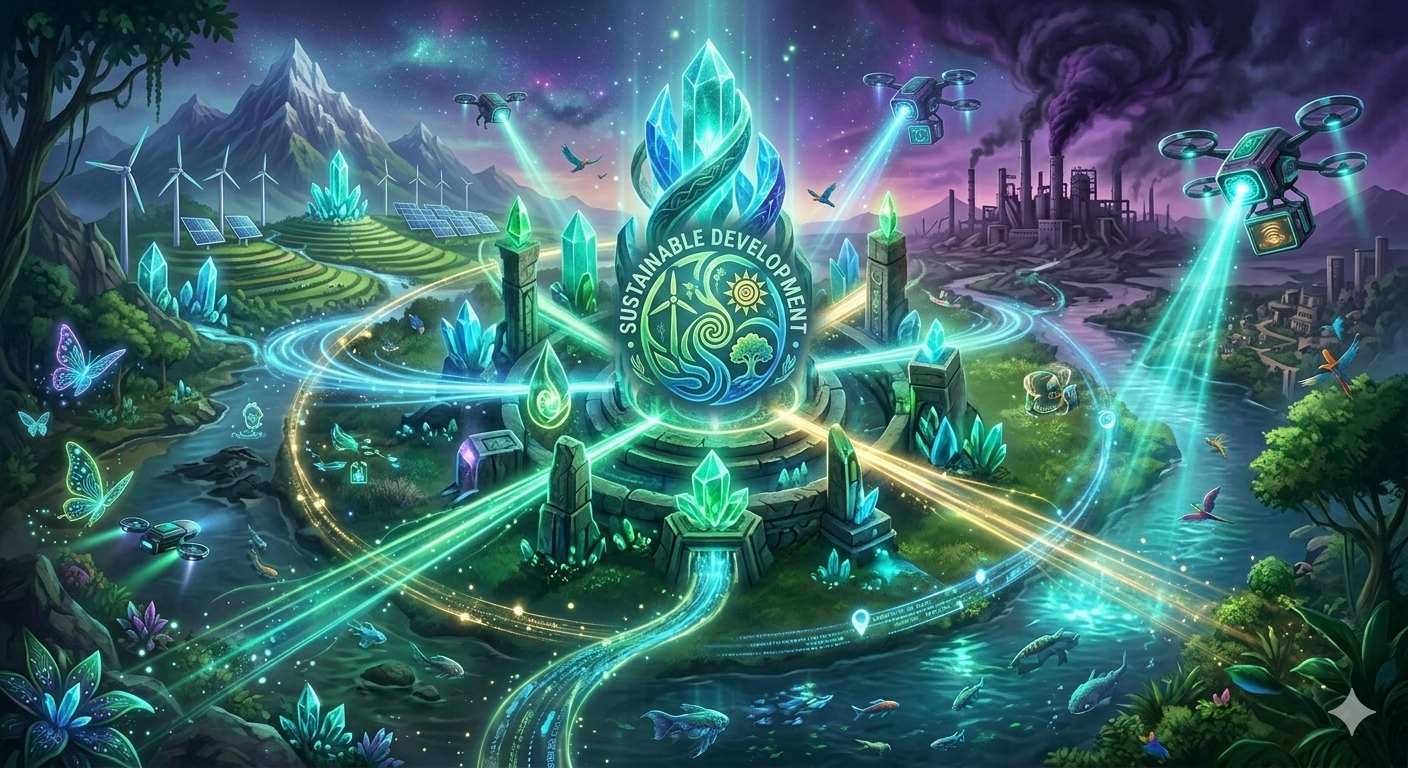
Sustainable development offers a balanced approach that integrates economic growth with environmental protection.
Key Benefits
- Conservation of natural resources
- Reduction of pollution and environmental degradation
- Improved quality of life for communities
- Long-term economic stability
Developing countries must prioritize sustainable development to ensure that environmental protection does not hinder economic progress.
10. Conclusion
Environmental protection in developing countries presents a complex challenge due to rapid population growth, poverty, industrialization, urban expansion, and limited financial resources. These factors often make it difficult for governments to enforce environmental laws and implement effective conservation programs.
However, addressing environmental challenges is essential for achieving sustainable development. Protecting forests, water resources, biodiversity, and air quality not only preserves ecosystems but also supports economic growth, public health, and social stability.
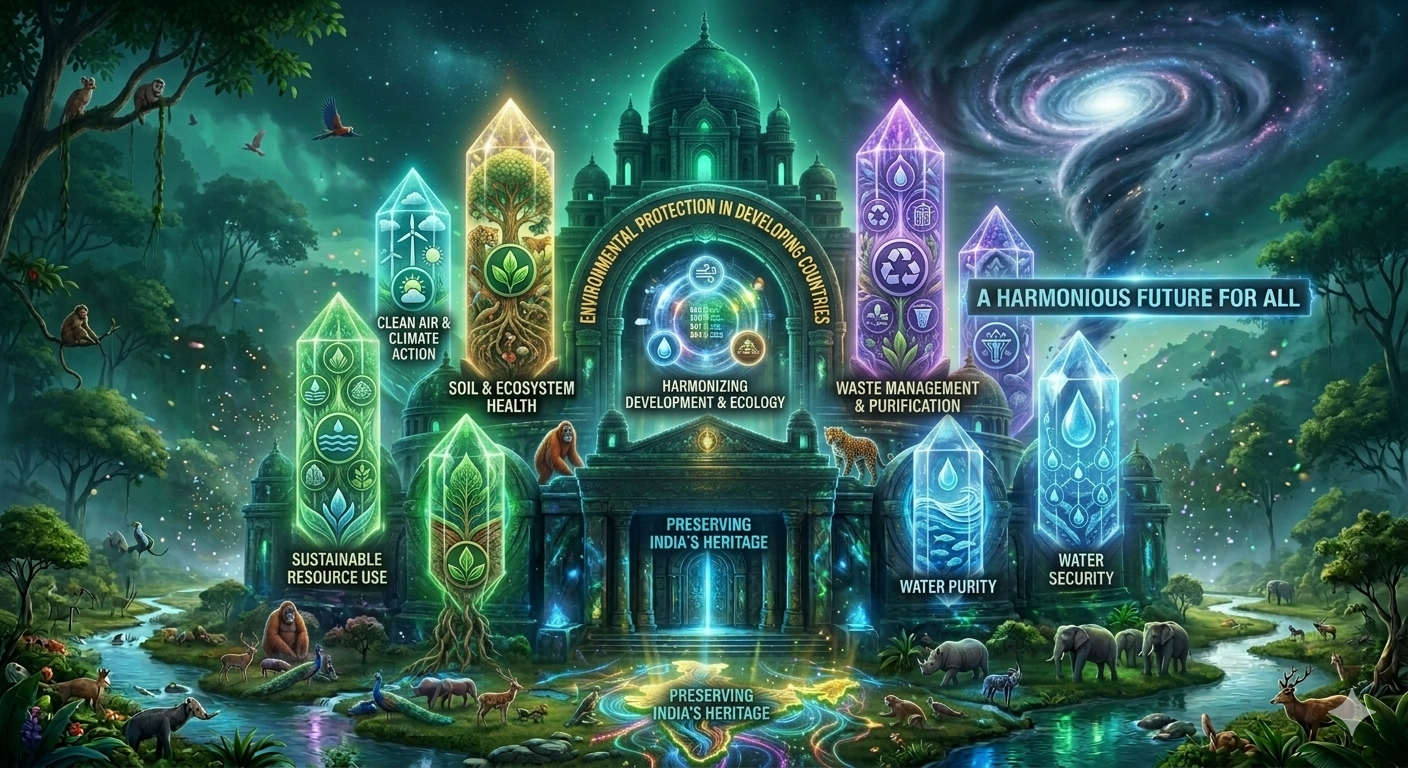
Through stronger environmental policies, public awareness, technological innovation, and international cooperation, developing countries can overcome these challenges and build a future where economic development and environmental sustainability coexist harmoniously.