Home » World Geography » Page 6
Coastal Geography of the USA

Coastal Geography of the USA: Atlantic, Pacific, and Gulf Coasts – Economy and Risks

Introduction The United States is a country with extensive coastlines, stretching over 19,924 kilometers (12,380 miles) including all states and territories. These coasts, divided into the Atlantic, Pacific, and Gulf coasts, play a vital role in shaping the nation’s economy, culture, transportation, settlement patterns, and environmental challenges. Coastal regions are hubs of human activity due…

Read More
Mountains of the USA

USA’s Great Mountain Ranges and Their Impact

Introduction Mountains are among the most significant physical features shaping the geography, climate, culture, and settlement patterns of the United States. Unlike flat plains or coastal lowlands, mountains act as natural barriers, weather influencers, cultural markers, and sources of vital natural resources. The United States has numerous mountain ranges, but three stand out due to…

Read More
Great Lakes Region of the USA

Great Lakes Region of USA: Significance, Trade, and Environmental Challenges

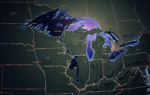
Introduction The Great Lakes region of the United States is one of the most geographically and economically important areas in North America. Comprising five interconnected freshwater lakes—Superior, Michigan, Huron, Erie, and Ontario—this system represents the largest group of freshwater lakes in the world by total area. Collectively, they contain about 20% of the world’s fresh…

Read More
Major Rivers of the USA

Major Rivers of the USA and Their Economic Importance

Introduction Rivers have played a crucial role in shaping civilizations, cultures, and economies throughout history. In the United States, rivers are more than just geographical features; they are lifelines that connect regions, sustain agriculture, enable transportation, generate energy, and support industries. From the mighty Mississippi to the rapid Colorado and the vast Columbia, rivers influence…

Read More
Local Winds of the USA

Local Winds of the USA: Climate Mechanisms, Daily Life, and Agricultural Impacts

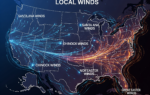
Introduction The United States spans mountains, deserts, prairies, vast lakes, and three major coasts. That variety creates distinct local winds—recurring wind patterns tied to terrain, water, and daily heating/cooling cycles. These winds don’t just make for colorful weather; they influence where people live, how homes are built, wildfire risk, energy use, transportation, and what farmers…

Read More