Introduction
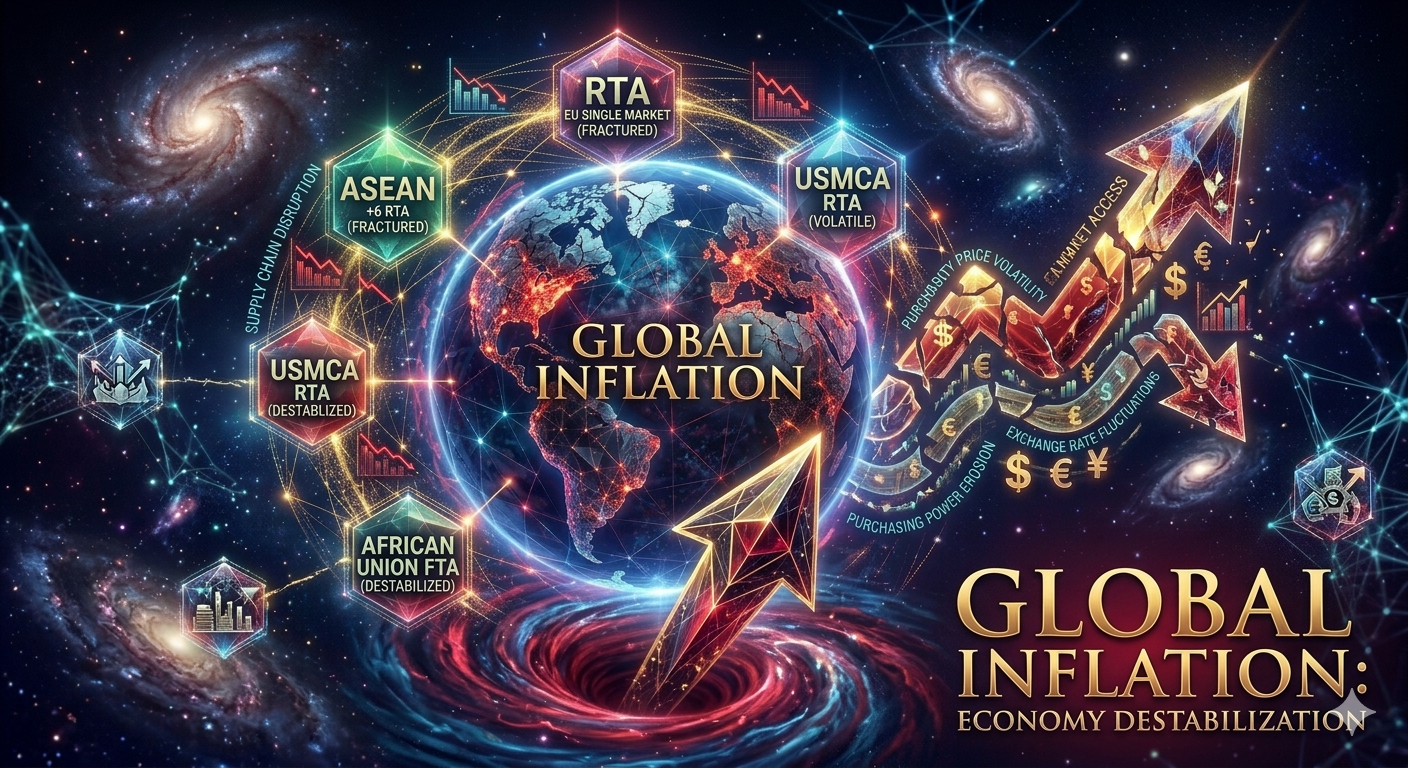
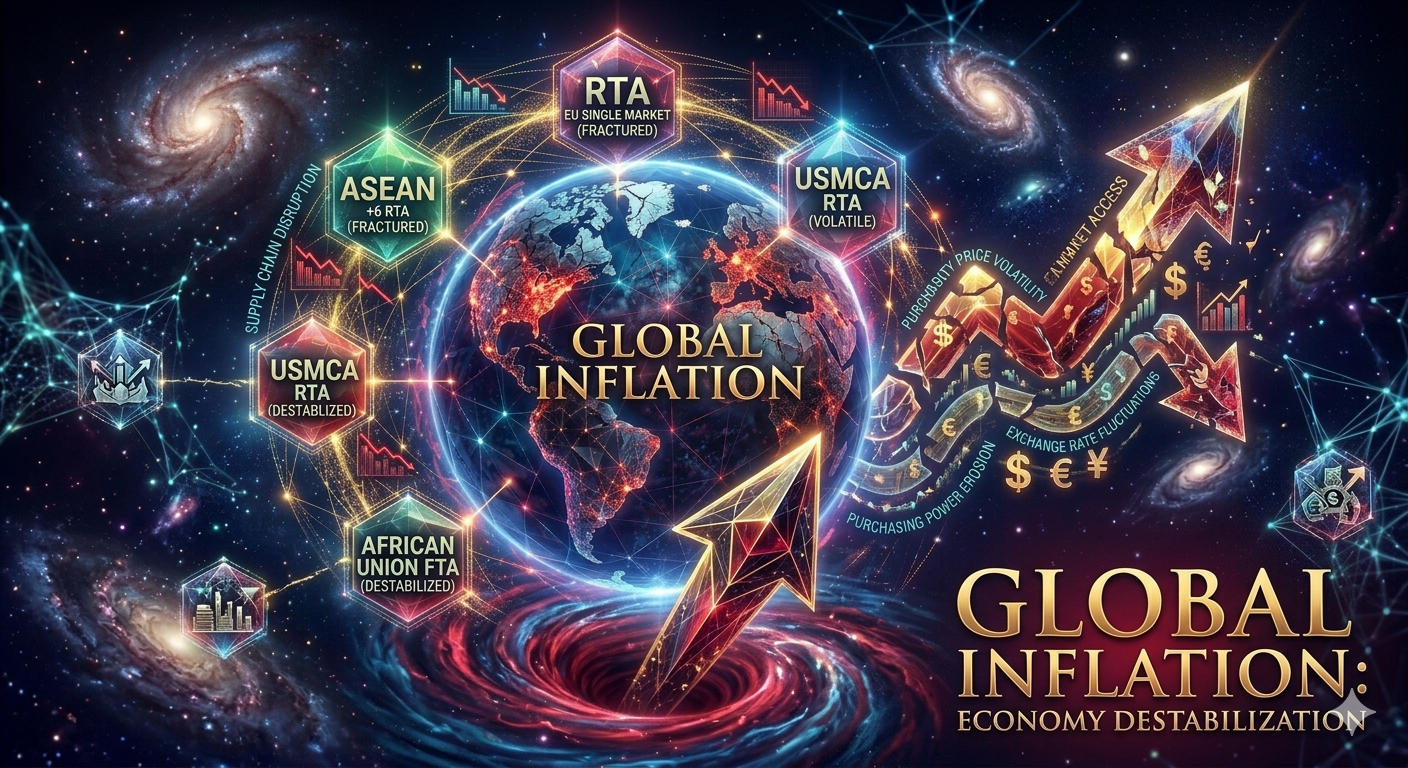
Inflation and economic growth are two of the most crucial macroeconomic variables that shape the performance of an economy. While economic growth indicates the rise in a country’s productive capacity and output over time, inflation refers to the persistent increase in the general price level of goods and services. The relationship between these two has long been a subject of debate among economists, as both are interlinked and influence each other in complex ways.
Inflation, when moderate, can be a sign of a growing economy — reflecting rising demand, investment, and consumption. However, when it becomes excessive, it erodes purchasing power, reduces savings, distorts investments, and hampers economic stability. Economic growth, on the other hand, often creates upward pressure on prices due to increased demand for goods, services, and resources. Hence, inflation can be both a by-product of growth and a potential threat to sustained development.
This article explores in depth the relationship between inflation and economic growth, their determinants, theoretical perspectives, and how policymakers strive to balance both for achieving stable and inclusive growth.
1. Understanding Inflation
1.1 Meaning of Inflation
Inflation is the rate at which the general level of prices for goods and services rises, leading to a decline in the purchasing power of money. In other words, inflation represents how much more expensive a set of goods and services has become over a certain period.
1.2 Types of Inflation
- Demand-Pull Inflation: Occurs when aggregate demand exceeds aggregate supply, often in a rapidly growing economy.
- Cost-Push Inflation: Arises due to increased costs of production (e.g., wages, raw materials, energy prices).
- Built-in Inflation: Happens due to adaptive expectations — workers demand higher wages anticipating future price increases, leading to a wage-price spiral.
- Monetary Inflation: Triggered by excessive money supply growth, often linked with loose monetary policies.
- Imported Inflation: Caused by rising prices of imported goods due to currency depreciation or higher global commodity prices.
1.3 Measurement of Inflation
Inflation is measured through indices such as:
- Consumer Price Index (CPI)
- Wholesale Price Index (WPI)
- Producer Price Index (PPI)
- GDP Deflator
These indices track changes in prices of a selected basket of goods and services over time.
2. Understanding Economic Growth
2.1 Meaning of Economic Growth
Economic growth refers to the sustained increase in the productive capacity of an economy, resulting in higher output of goods and services. It is generally measured by the percentage increase in Gross Domestic Product (GDP) or Gross National Product (GNP) over a period.
2.2 Determinants of Economic Growth
- Capital Formation: Investment in machinery, infrastructure, and technology.
- Human Resources: Education, skill development, and health of the workforce.
- Natural Resources: Availability and efficient utilization of land, minerals, and water.
- Technological Progress: Innovation and productivity enhancement.
- Institutional and Political Factors: Stable governance, legal systems, and macroeconomic policies.
2.3 Measurement of Economic Growth
Economic growth is typically measured through:
- Real GDP growth rate
- Per capita income growth
- Sectoral contributions (agriculture, industry, services)
3. The Relationship between Inflation and Economic Growth
The relationship between inflation and economic growth is complex, nonlinear, and context-dependent. Economists have long debated whether inflation stimulates or hampers growth.
3.1 Positive Relationship (Inflation as a Product of Growth)
At moderate levels, inflation can accompany economic growth. This relationship is often observed in developing countries undergoing industrialization and expansion of demand.
Mechanisms:
- Increased Demand: Economic expansion raises income and consumption, leading to higher demand for goods and services, which can push prices upward.
- Investment Incentive: Mild inflation encourages producers to expand production to gain higher profits, stimulating growth.
- Reduction in Real Wages: A gradual increase in prices relative to wages may lower real wages temporarily, reducing unemployment and boosting output.
- Monetary Expansion: During growth phases, central banks often expand money supply to facilitate credit, leading to higher prices.
Thus, a certain level of inflation is seen as a by-product of economic growth — it reflects rising demand, industrial output, and income.
3.2 Negative Relationship (Inflation as a Hindrance to Growth)
Excessive inflation, however, creates distortions and uncertainty in the economy, adversely affecting growth.
Mechanisms:
- Erosion of Purchasing Power: High inflation reduces consumers’ real income, discouraging consumption.
- Uncertainty in Investment: Price instability deters long-term investment and capital formation.
- Inefficiency in Resource Allocation: Inflation distorts relative prices, leading to misallocation of resources.
- Decline in Savings: When inflation exceeds interest rates, real returns on savings decline, reducing funds available for investment.
- Wage-Price Spiral: Continuous inflation raises wage demands, increasing production costs and reducing competitiveness.
Hence, while moderate inflation may accompany growth, uncontrolled inflation can undermine economic stability and long-term development.
4. Theoretical Perspectives on Inflation–Growth Relationship
4.1 Classical View
Classical economists like David Ricardo and Adam Smith believed that inflation is purely a monetary phenomenon caused by excess money supply. They argued that real economic variables like output and employment are independent of monetary changes (money neutrality). Thus, in the long run, inflation does not affect real growth.
4.2 Keynesian View
John Maynard Keynes emphasized that in the short run, moderate inflation can stimulate growth by boosting demand and reducing unemployment. According to Keynes, when the economy operates below full employment, an increase in money supply can raise aggregate demand, output, and employment, leading to economic growth.
4.3 Monetarist View
Milton Friedman and the monetarists viewed inflation as “always and everywhere a monetary phenomenon.” They argued that excessive money supply growth leads to inflation without contributing to real output growth in the long run.
4.4 Structuralist View
Structuralist economists, particularly from developing countries, argued that inflation is a result of structural bottlenecks — such as supply shortages, underdeveloped agriculture, or infrastructure constraints — rather than excessive demand. They maintained that some inflation is inevitable in the process of development.
4.5 Modern Empirical View
Modern research suggests a non-linear relationship: low to moderate inflation promotes growth, but beyond a certain threshold, inflation becomes detrimental.
Empirical studies estimate the threshold level of inflation to be around:
- 1–3% for developed countries, and
- 7–10% for developing countries.
5. Is Inflation a Product of Economic Growth?
Inflation can indeed be a product or consequence of economic growth, particularly during expansionary phases. However, whether it is beneficial or harmful depends on the magnitude and stability of inflation.
5.1 When Inflation Reflects Growth
- When output and income are rising, demand for goods and services increases, pushing prices upward.
- Productive investments and industrial expansion often cause temporary supply shortages, leading to price hikes.
- Moderate inflation may reflect a healthy and dynamic economy with rising employment and income.
5.2 When Inflation Becomes a Burden
- When demand exceeds supply persistently, prices rise faster than income, reducing purchasing power.
- If inflation is driven by monetary expansion rather than real productivity, it becomes unsustainable.
- Hyperinflation or double-digit inflation erodes confidence in the economy, reduces investment, and can lead to stagnation or even recession.
5.3 Inflation–Growth Dynamics in Developing Economies
In developing countries like India, moderate inflation often accompanies rapid economic expansion. However, when inflation crosses the manageable threshold (e.g., 6–8%), it tends to hurt growth. Hence, inflation in such contexts can be described as a natural by-product of growth, but it must be controlled through effective policies.
6. Empirical Evidence and Case Studies
6.1 India
In India, economic growth has often been associated with moderate inflation. During high-growth phases such as 2004–2008, inflation rose moderately due to rising demand, wage growth, and capital formation. However, periods of excessive inflation (e.g., 2010–2013) caused by food and fuel price shocks adversely affected investment and household consumption.
6.2 Developed Countries
In developed economies like the USA and UK, inflation remains moderate (2–3%) due to advanced monetary frameworks. Low inflation and stable growth coexist due to productivity growth, efficient markets, and robust financial systems.
6.3 Hyperinflationary Cases
Countries like Zimbabwe or Venezuela experienced hyperinflation, where excessive money printing led to economic collapse. These examples show that uncontrolled inflation, even if initially triggered by growth policies, can destroy economic stability.
7. Policy Implications
To maintain a healthy balance between inflation and growth, policymakers adopt a stabilization framework.
7.1 Monetary Policy
Central banks regulate money supply and interest rates to control inflation while promoting growth.
- Tight monetary policy curbs excessive demand.
- Expansionary policy supports growth during recessions.
In India, the Reserve Bank of India (RBI) follows an inflation-targeting framework (currently 4% ± 2%) to ensure price stability while fostering economic growth.
7.2 Fiscal Policy
Government spending and taxation policies also influence inflation and growth.
- Excessive deficit financing fuels inflation.
- Productive public investment enhances growth without causing inflationary pressure.
7.3 Supply-Side Measures
Enhancing productivity through technological innovation, infrastructure, and labor market reforms can promote non-inflationary growth.
7.4 Structural Reforms
Reducing bottlenecks in agriculture, energy, and logistics can help stabilize prices even during high growth.
8. The Optimal Inflation Rate for Growth
Economists generally agree that zero inflation is not ideal. Some inflation is necessary for:
- Encouraging spending over hoarding,
- Reducing real wage rigidity,
- Facilitating adjustments in relative prices.
The optimal rate of inflation that supports growth without destabilizing the economy is often estimated at:
- 2–3% for advanced economies,
- 5–7% for emerging economies.
This range allows flexibility for growth while maintaining macroeconomic stability.
9. Challenges in Balancing Inflation and Growth
- Inflationary Expectations: Once inflationary psychology sets in, it becomes self-perpetuating.
- External Shocks: Oil price hikes or currency depreciation can trigger cost-push inflation.
- Policy Dilemmas: Tightening policies to control inflation may slow growth, while stimulating growth can fuel inflation.
- Inequality Effects: Inflation often hurts fixed-income groups and the poor, widening income inequality.
- Data and Measurement Issues: Delays in data and structural changes complicate policymaking.
10. Conclusion
The relationship between inflation and economic growth is intricate and dynamic. Inflation can indeed be a product of economic growth, especially in developing economies where expansion in demand and investment exceeds supply in the short term. Moderate inflation acts as a lubricant for economic progress — stimulating production, employment, and investment.
However, when inflation rises beyond manageable limits, it becomes destructive, eroding purchasing power, deterring savings, and creating uncertainty. The key lies in maintaining a balanced level of inflation that reflects economic dynamism without compromising stability.
Effective monetary, fiscal, and structural policies must therefore aim at achieving sustainable growth with price stability — ensuring that inflation remains within an optimal range conducive to long-term development.
Summary Points
Sound macroeconomic policies are vital to balance inflation and growth sustainably.
Inflation represents a persistent rise in prices; economic growth indicates an increase in output.
Moderate inflation is often a by-product of growth, reflecting rising demand and production.
High inflation distorts savings, investment, and growth prospects.
The relationship is nonlinear — low inflation promotes growth, but excessive inflation hinders it.