Introduction
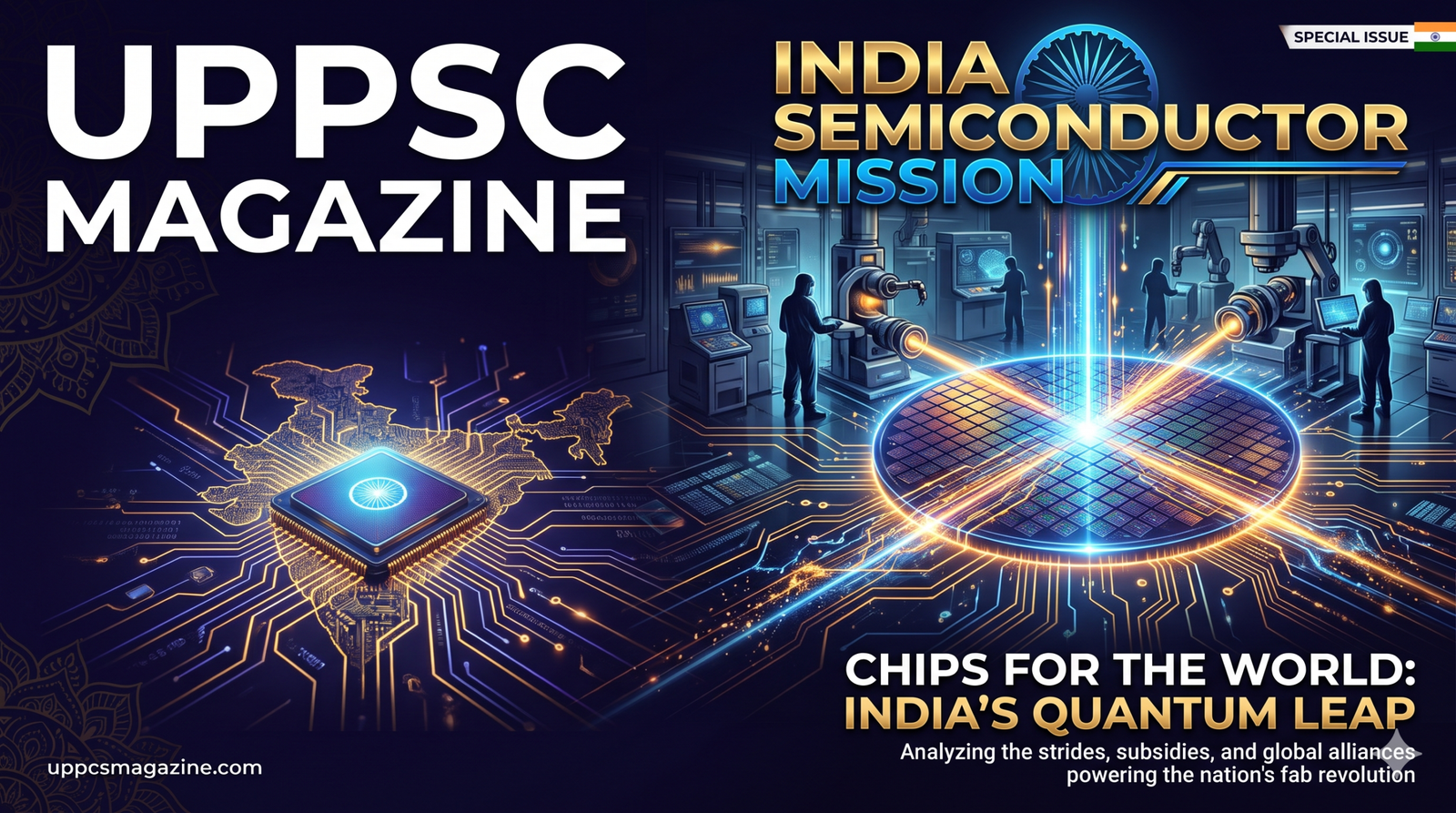
Semiconductors power every modern sector—from smartphones and electric vehicles to AI data centres, telecom networks, and defence radars. To end India’s near-total import dependence on integrated circuits, the government launched the India Semiconductor Mission (ISM), scaling from Semicon 1.0 to Semicon 2.0 in 2026.
From Semicon 1.0 to Semicon 2.0 Verified 2026 Milestones
According to the PIB Semiconductor and AI Revolution Factsheet (2026):
| Phase | Financial Outlay | Strategic Focus & Verified Progress |
|---|---|---|
| Semicon 1.0 | ₹76,000 crore | Laid the baseline ecosystem for silicon fabs, display fabs, compound semiconductors, and OSAT/ATMP packaging units |
| Semicon 2.0 | ₹1,27,500 crore (approved July 2026) | Scales ecosystem leadership across 6 pillars: chip design, equipment & materials, fabrication facilities, advanced packaging, R&D, and talent |
| Project Pipeline | ₹1.64+ lakh crore total investment | 12 projects approved across 6 states; 3 facilities have already commenced commercial production by August 2026 |
Strategic Importance and Uttar Pradesh Context
- Design-Linked Incentive (DLI): Supports domestic fabless startups designing chips for automotive, IoT, and telecom applications.
- Uttar Pradesh Electronics Hub: The Noida–Greater Noida–Yamuna Expressway corridor is one of India’s largest mobile and electronics manufacturing clusters, creating strong downstream demand for packaged chips and skilled VLSI engineers from state technical universities.
Challenges Ahead
- Capital Intensity & Water/Power Purity: Semiconductor fabs require uninterrupted ultra-pure water, zero-fluctuation power, and multi-billion-dollar sustained capital.
- Equipment & Chemical Supply Chains: Building domestic capability in specialty gases, silicon wafers, and lithography chemicals under Semicon 2.0 is essential to avoid new import bottlenecks.
Conclusion
With 12 approved projects and Semicon 2.0’s ₹1,27,500 crore commitment, India is transitioning from chip-design talent hub to commercial semiconductor fabrication and packaging.
References
Press Information Bureau (PIB) — Semiconductor and AI Revolution Factsheet (August–November 2026); Ministry of Electronics and Information Technology (MeitY) — India Semiconductor Mission.