Introduction
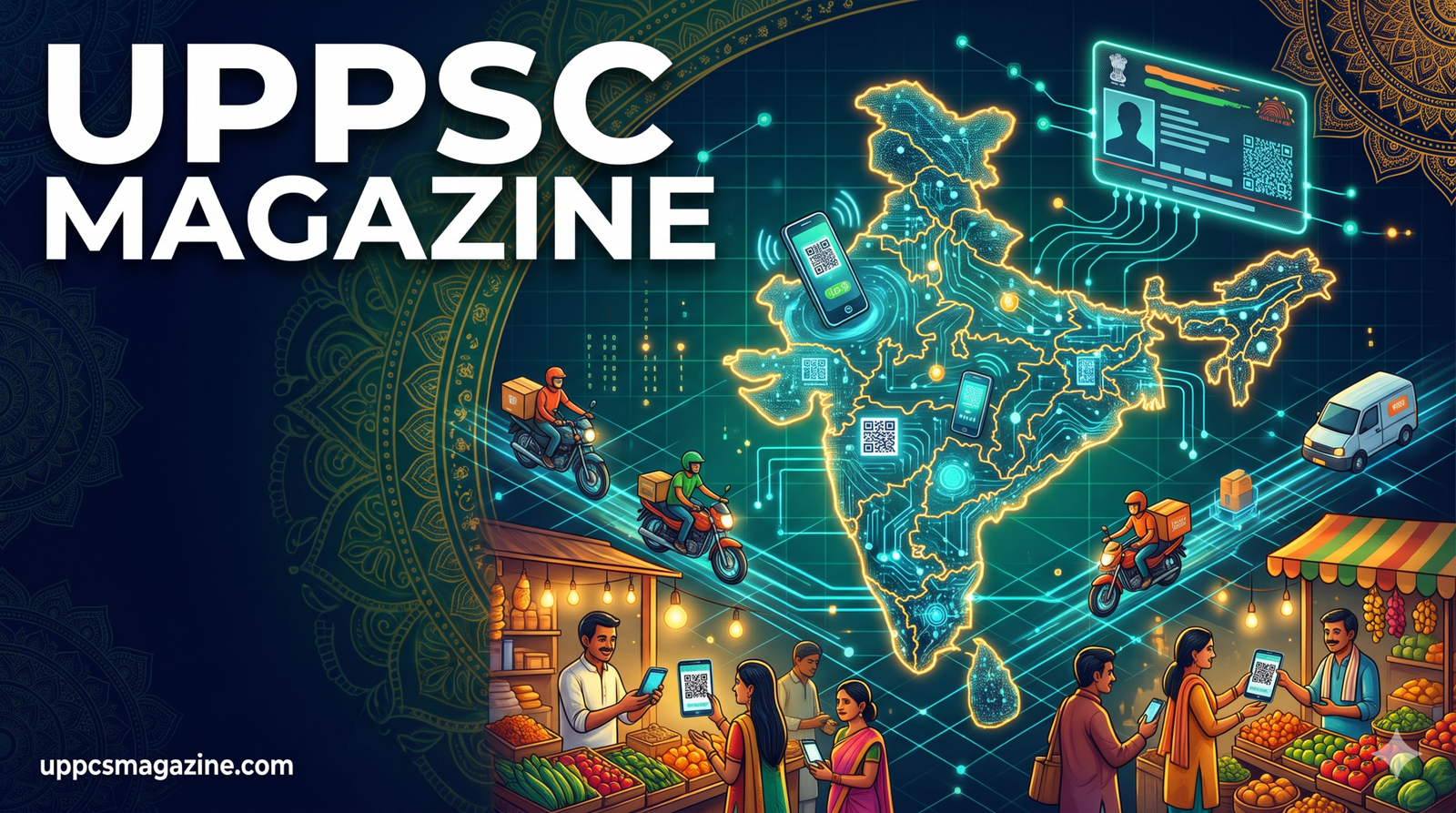
Digital Public Infrastructure (DPI)—often called the “India Stack”—refers to open, interoperable digital building blocks that allow governments and private innovators to deliver population-scale services. By combining digital identity (Aadhaar), fast payments (UPI), and open commerce (ONDC), India has transformed financial inclusion and welfare delivery.
Core Pillars of India’s Digital Public Infrastructure 2026
According to the PIB 7th Global Fintech Fest 2026 Factsheet (November 2026):
| DPI Layer | Core Function | Verified Scale & Global Reach 2026 |
|---|---|---|
| JAM Trinity | Links Jan Dhan bank accounts, Aadhaar, and mobile numbers | Enables Direct Benefit Transfer (DBT) directly into beneficiary accounts, cutting leakages |
| Unified Payments Interface (UPI) | Instant interoperable bank-to-bank digital payments | Reached 24,509 million transactions in August 2026; handles ~50% of global real-time digital volume across 11 countries |
| Aadhaar e-KYC & DigiLocker | Paperless digital identity and verified document wallet | Cuts customer onboarding time and costs for banking, telecom, and welfare |
| Open Network for Digital Commerce (ONDC) | Unbundles e-commerce so small kiranas compete on an open network | Reached 20 crore+ buyers and 5 lakh+ sellers across 1,000+ cities by June 2026 |
Economic Impact and Uttar Pradesh Context
- Formalizing Small Businesses: Street vendors, kirana stores, and ODOP artisans across Uttar Pradesh use UPI QR codes and ONDC seller apps to build verifiable digital transaction histories for formal credit.
- Efficient Welfare Delivery: DBT integration ensures timely scholarship, pension, and PM-KISAN transfers across rural Uttar Pradesh.
Challenges Ahead
- Digital Fraud & Cyber Hygiene: Rapid payment volume growth requires continuous user awareness against phishing, mule accounts, and unauthorized payment links.
- Last-Mile Connectivity & Literacy: Bridging rural bandwidth gaps and empowering senior citizens and first-time digital users remains essential.
Conclusion
India’s Digital Public Infrastructure demonstrates how open-protocol public goods can drive inclusive economic formalization, lower transaction costs, and set global fintech benchmarks.
References
Press Information Bureau (PIB) — 7th Global Fintech Fest 2026 Factsheet (November 2026); Reserve Bank of India (RBI) & NPCI Reports.