pcs magazine

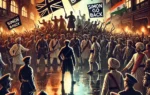
The Montagu-Chelmsford Reforms of 1919: Key Provisions and Impact

The Montagu-Chelmsford Reforms of 1919, commonly known as the Government of India Act, 1919, marked a significant shift in British colonial governance in India. These reforms were introduced by Edwin Montagu (Secretary of State for India) and Lord Chelmsford (Viceroy of India) to appease growing nationalist demands for greater self-governance. The reforms introduced the concept…

Read More
pcs magazine

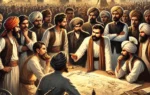
The Non-Cooperation Movement (1920-1922): Objectives and Impact

The Non-Cooperation Movement (1920-1922) was one of the most significant mass movements in India’s struggle for independence against British rule. Led by Mahatma Gandhi, the movement aimed at resisting British colonial oppression through non-violent means. It was a direct response to the betrayal of Indian expectations after World War I, the oppressive Rowlatt Act (1919),…

Read More
pcs magazine

The Historical Evolution of the Office of the Vice President in India and Its Changing Role

The office of the Vice President of India is a crucial constitutional position that has evolved over time. While initially conceived as a ceremonial role, its functions and influence have grown, especially in its capacity as the ex-officio Chairman of the Rajya Sabha. This article examines the historical development of the Vice President’s office, its…

Read More
pcs magazine

The Vice President of India: Ensuring Stability in Parliamentary Democracy

Introduction The Vice President of India holds a significant constitutional position, serving as the second-highest authority in the country. The office is primarily associated with the parliamentary framework, as the Vice President functions as the ex-officio Chairman of the Rajya Sabha and steps in as the Acting President when required. While the role is largely…

Read More
pcs magazine

The Vice President of India: Role, Powers, and the Case for Executive Authority

Introduction The Vice President of India holds a significant constitutional position, serving as the second-highest office in the country. The role is primarily ceremonial and legislative, with the Vice President acting as the ex-officio Chairman of the Rajya Sabha and stepping in as the Acting President when required. However, compared to the President and Prime…

Read More