pcs magazine

The Non-Cooperation Movement (1920-1922): Objectives and Impact

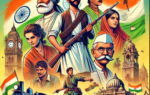
The Non-Cooperation Movement (1920-1922) was one of the most significant mass movements in India’s struggle for independence against British rule. Led by Mahatma Gandhi, the movement aimed at resisting British colonial oppression through non-violent means. It was a direct response to the betrayal of Indian expectations after World War I, the oppressive Rowlatt Act (1919),…

Read More
pcs magazine

The Role of Performing Arts in the Indian Freedom Struggle

The Indian freedom struggle was not merely a political movement but also a cultural resurgence. Performing arts, including dance, music, and drama, played a crucial role in mobilizing the masses, spreading nationalist sentiments, and reinforcing India’s cultural identity against colonial rule. These art forms served as powerful tools of resistance, inspiring people to fight for…

Read More
pcs magazine

Prayagraj: A Sacred Confluence of Ancient Heritage and Modern Significance

Prayagraj, historically known as Prayag, holds a profound place in both ancient and modern Indian culture. Its significance is deeply intertwined with religion, history, and mythology, shaping not just regional identities but the spiritual consciousness of the entire Indian subcontinent. The city, situated at the confluence of the Ganga, Yamuna, and Sarasvati rivers, is one…

Read More
uppcs magazine

Contribution of Revolutionaries of Uttar Pradesh in the Indian Freedom Struggle

Introduction The state of Uttar Pradesh (formerly known as the United Provinces) played a crucial role in India’s freedom struggle. It was not only the land of political leaders and social reformers but also home to numerous revolutionaries who fought valiantly against British colonial rule. These brave men and women engaged in armed resistance, inspired…

Read More