Home » Chinook Winds
Rocky Mountains, Climate of North America

Climate Architects of a Continent: The Rocky Mountains of North America

Introduction The Rocky Mountains are one of the most significant physical features of North America. Stretching for nearly 4,800 kilometers (3,000 miles) from northern Canada through the western United States and into New Mexico, these mountains form a massive natural barrier across the continent. While the Rocky Mountains are famous for their breathtaking scenery, rich…

Read More
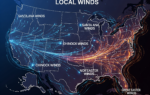
Local Winds of the USA

Local Winds of the USA and Their Impact on Lifestyle and Agriculture

Introduction The United States, with its vast geographical expanse, exhibits a wide range of climatic conditions and weather patterns. Among these, local winds play a crucial role in shaping both the natural environment and human activity. Unlike global or regional winds, which cover large areas, local winds are confined to specific regions and are heavily…

Read More
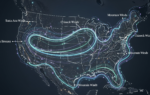
Local Winds of the USA

Local Winds of the USA: Climate Mechanisms, Daily Life, and Agricultural Impacts

Introduction The United States spans mountains, deserts, prairies, vast lakes, and three major coasts. That variety creates distinct local winds—recurring wind patterns tied to terrain, water, and daily heating/cooling cycles. These winds don’t just make for colorful weather; they influence where people live, how homes are built, wildfire risk, energy use, transportation, and what farmers…

Read More
pcs mains examinations

Local Winds of North America: Types, Characteristics, and Regional Impact

Introduction Local winds are region-specific winds that occur due to differences in temperature and pressure caused by the geographical and topographical conditions of a particular area. Unlike global wind patterns that circulate across large areas, local winds are short-lived and often confined to specific regions. North America, with its diverse terrain—from coastal plains to high…

Read More