Introduction
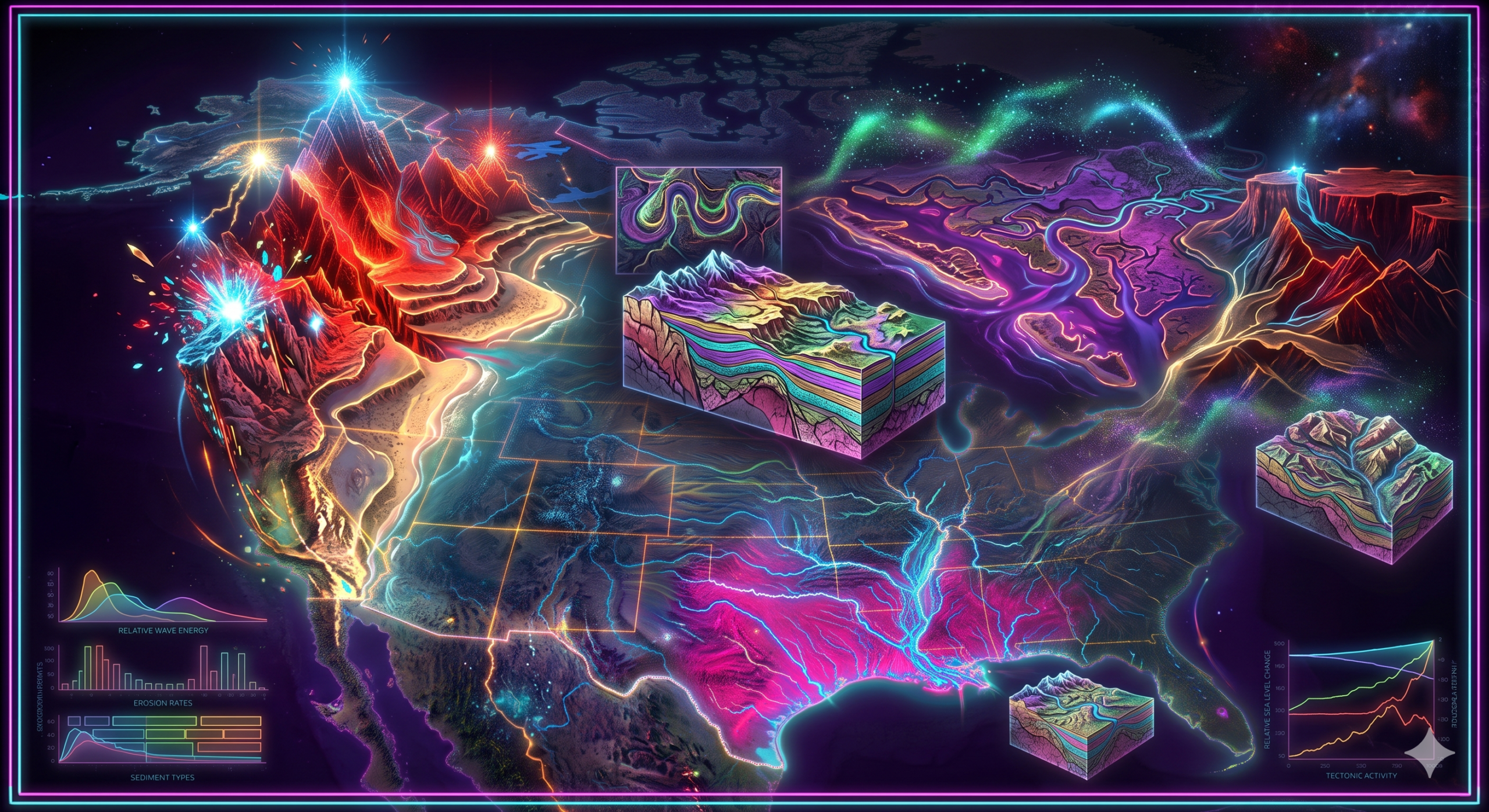
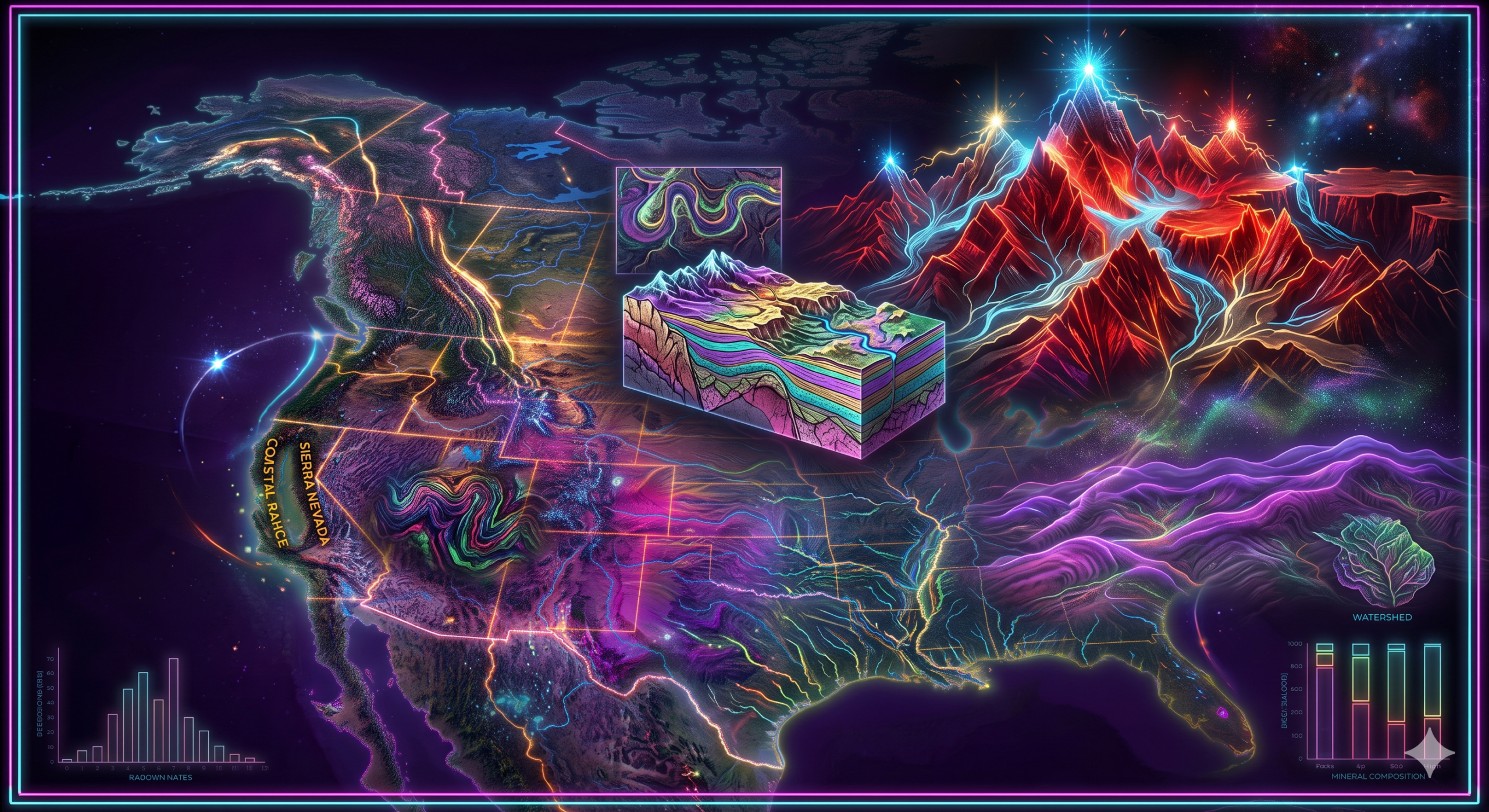
The Rocky Mountains are one of the most significant physical features of North America. Stretching for nearly 4,800 kilometers (3,000 miles) from northern Canada through the western United States and into New Mexico, these mountains form a massive natural barrier across the continent. While the Rocky Mountains are famous for their breathtaking scenery, rich biodiversity, and recreational opportunities, they also play a crucial role in influencing the climate of North America.
Climate refers to the long-term patterns of temperature, precipitation, humidity, and atmospheric conditions in a particular region. Mountains can have a profound impact on climate because they influence air movement, precipitation patterns, temperature distribution, and wind systems. The Rocky Mountains are a perfect example of how a mountain range can shape the environmental conditions of an entire continent.
This article examines the various ways in which the Rocky Mountains influence the climate of North America and explains why they are considered one of the most important climatic features of the continent.
Geographic Overview of the Rocky Mountains
The Rocky Mountains extend from the Canadian provinces of British Columbia and Alberta southward through several U.S. states, including Montana, Idaho, Wyoming, Colorado, and New Mexico. The mountain range contains numerous peaks exceeding 4,000 meters in elevation, with some of the highest summits located in Colorado.
Due to their immense size and elevation, the Rockies act as a barrier between the Pacific Ocean and the interior regions of North America. This geographical position enables them to influence weather systems traveling across the continent.
Mountains and Climate: Understanding the Connection
To understand the climatic role of the Rocky Mountains, it is important to recognize how mountains interact with the atmosphere. When air masses encounter a mountain range, they are forced to rise. As air rises, it expands and cools. Cooler air can hold less moisture, causing water vapor to condense into clouds and precipitation.
This process affects rainfall distribution, temperature patterns, wind direction, and even seasonal weather events. Because the Rocky Mountains are so extensive, their influence extends far beyond the immediate mountain region.
The Orographic Effect and Precipitation
One of the most important ways the Rocky Mountains influence climate is through the orographic effect.
How the Orographic Effect Works
Moist air from the Pacific Ocean moves eastward toward North America. When this air reaches the western slopes of the Rocky Mountains, it is forced upward. As it rises, the air cools and moisture condenses into clouds. This results in rainfall or snowfall on the windward side of the mountains.
As the air continues over the mountain peaks and descends on the eastern side, it becomes warmer and drier. Consequently, less precipitation occurs on the leeward side.
Impact on Regional Climate
The western slopes of the Rockies often receive substantial precipitation, especially during winter. Snow accumulation in high elevations can be significant, creating extensive snowpacks that supply water to rivers and communities throughout the year.
Meanwhile, regions east of the mountains often experience much drier conditions because much of the moisture has already been released on the western side.
This process demonstrates how the Rockies help determine where rain and snow fall across western North America.
Creation of Rain Shadow Regions
The rain shadow effect is closely related to the orographic effect and is one of the most significant climatic impacts of the Rocky Mountains.
What is a Rain Shadow?
A rain shadow occurs when mountains block moist air, causing precipitation on one side while creating dry conditions on the other side.
Rain Shadow in North America
After crossing the Rocky Mountains, descending air becomes warmer and drier. This contributes to the formation of semi-arid and arid regions in the interior of North America.
Parts of the western United States, including areas of Wyoming, Montana, Colorado, Utah, and New Mexico, experience reduced precipitation because of this effect.
Without the Rocky Mountains, many of these regions might receive considerably more rainfall and support different ecosystems and agricultural practices.
Influence on Temperature Distribution
The Rocky Mountains significantly affect temperature patterns across North America.
Elevation and Temperature
Temperature generally decreases with altitude. As elevation increases, the atmosphere becomes thinner and less capable of retaining heat.
Consequently, mountain areas remain cooler than surrounding lowlands. Even during summer, high-elevation regions often experience relatively mild temperatures.
Seasonal Temperature Effects
The Rockies influence both summer and winter temperatures. High-altitude areas may remain cool during hot summer months, while valleys and lower elevations can experience warmer conditions.
During winter, the mountains help separate different air masses, affecting temperature variations across the continent.
Local Climate Diversity
Because elevation varies greatly throughout the Rockies, numerous microclimates exist within a relatively small area. Different slopes, valleys, and peaks can experience distinct temperature and precipitation patterns.
Blocking and Redirecting Air Masses
The Rocky Mountains act as a major obstacle to atmospheric circulation.
Air Mass Movement
Large air masses regularly move across North America. Some originate over the Pacific Ocean, while others come from the Arctic or tropical regions.
The Rockies alter the movement of these air masses by forcing them to change direction or rise over the mountains.
Climatic Consequences
This redirection influences weather systems throughout the continent. Storm tracks may shift, precipitation patterns can change, and temperature distributions may vary depending on how air masses interact with the mountain range.
As a result, regions thousands of kilometers away may indirectly experience the climatic influence of the Rockies.
Influence on Winter Weather
The Rocky Mountains play a major role in shaping winter weather conditions across North America.
Cold Arctic Air
During winter, cold Arctic air often moves southward into Canada and the United States. The Rocky Mountains influence the pathways these cold air masses take.
In some cases, the mountains help channel cold air through valleys and plains, affecting temperatures in central North America.
Snowfall Patterns
The Rockies receive significant snowfall due to their elevation and interaction with moist air masses. Snow accumulation in the mountains serves as an important freshwater reservoir.
This snowpack gradually melts during spring and summer, supplying rivers and supporting agriculture, industry, and urban populations.
Chinook Winds and Their Effects
One of the most fascinating climatic phenomena associated with the Rocky Mountains is the occurrence of Chinook winds.
What Are Chinook Winds?
Chinook winds are warm, dry winds that descend the eastern slopes of the Rocky Mountains.
As moist air rises on the western side, it cools and loses moisture. When the air descends on the eastern side, it compresses and warms rapidly.
Impact on Climate
These winds can dramatically increase temperatures within a short period. In some areas, winter temperatures may rise by several degrees Celsius within hours.
Chinook winds can reduce snow cover, influence local ecosystems, and affect agricultural activities. They are especially common in parts of Alberta, Montana, and other regions east of the Rockies.
Effects on Water Resources
The Rocky Mountains are often called the “water towers” of North America because they play a vital role in storing and distributing freshwater.
Snowpack Storage
Winter snowfall accumulates in mountain regions and acts as a natural reservoir. During warmer months, snowmelt feeds rivers and streams.
Major River Systems
Several important rivers originate in the Rocky Mountains, including:
- Colorado River
- Missouri River
- Arkansas River
- Rio Grande
- Columbia River tributaries
These rivers support millions of people and provide water for agriculture, industry, and hydroelectric power generation.
Climate Connection
The availability of water in many regions depends heavily on climatic conditions in the Rockies. Variations in snowfall and temperature directly influence water supply throughout western North America.
Impact on Ecosystems and Vegetation
Climate strongly influences plant and animal life, and the Rockies contribute significantly to ecological diversity.
Vegetation Zones
Different elevations support different vegetation types:
- Grasslands at lower elevations
- Forests at mid-elevations
- Subalpine ecosystems at higher elevations
- Alpine tundra near mountain peaks
These varied environments exist largely because of differences in temperature and precipitation created by the mountains.
Biodiversity
The climatic diversity of the Rockies supports numerous species of mammals, birds, insects, and plants. Many organisms have adapted specifically to mountain climates.
Influence on Agriculture
Agriculture across North America is influenced by climatic conditions shaped by the Rocky Mountains.
Water Supply
Irrigation systems in many western states depend on rivers originating in the Rockies. Snowmelt provides essential water for crop production.
Growing Conditions
The rain shadow effect creates dry conditions in some regions, encouraging drought-resistant farming practices.
Meanwhile, areas receiving mountain-fed water can support highly productive agricultural systems.
Climate Stability
The Rockies help regulate local weather patterns, influencing growing seasons and agricultural productivity.
Influence on Storm Development
The Rocky Mountains affect the formation and movement of storms.
Thunderstorm Formation
Air forced upward by mountain slopes can trigger convection, leading to thunderstorm development.
Severe Weather
The interaction between mountain-influenced air masses and warm, moist air from the Gulf of Mexico can contribute to severe weather events across the Great Plains.
These interactions sometimes play a role in the development of powerful thunderstorms and tornado-producing systems.
Role in Climate Change Studies
The Rocky Mountains are increasingly important in climate research.
Indicators of Climate Change
Scientists study glaciers, snowpack levels, river flows, and ecosystems within the Rockies to understand climate change.
Observed Changes
Recent decades have shown:
- Earlier snowmelt
- Reduced glacier size
- Changing precipitation patterns
- Increased wildfire risk
These changes provide valuable information about broader climatic trends across North America.
Future Challenges
Climate change may alter the Rockies’ ability to store water and regulate regional climate. This could affect agriculture, ecosystems, and urban populations that depend on mountain water resources.
Conclusion
The Rocky Mountains are far more than a remarkable geographical feature. They are a major climatic force that influences weather, precipitation, temperature, water resources, ecosystems, and human activities throughout North America. Through processes such as the orographic effect, rain shadow formation, air mass redirection, snowfall generation, and the creation of Chinook winds, the Rockies shape environmental conditions across vast regions of the continent.
Their role extends beyond the mountain landscape itself, affecting agriculture, river systems, biodiversity, and population centers located hundreds or even thousands of kilometers away. As climate change continues to influence global weather patterns, understanding the climatic significance of the Rocky Mountains becomes increasingly important.
In summary, the Rocky Mountains serve as one of North America’s most powerful natural climate regulators, making them essential to both the continent’s environment and the lives of millions of people who depend on the resources and climatic conditions they help create.