Introduction
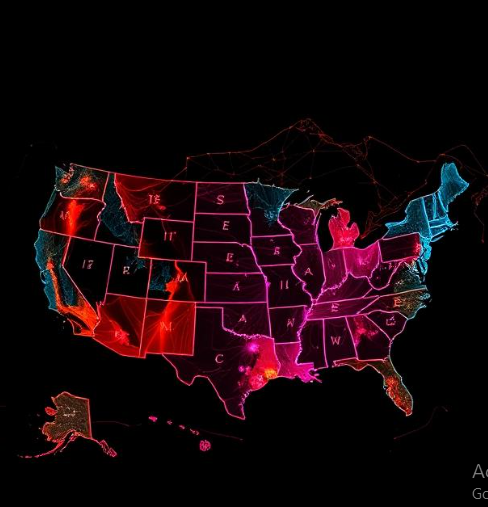
The United States is one of the most climatically diverse countries in the world. Stretching across a vast geographical area from the Atlantic Ocean to the Pacific Ocean and from the Arctic regions of Alaska to the tropical islands of Hawaii, the country experiences a remarkable variety of climate conditions. These climatic differences are influenced by factors such as latitude, elevation, ocean currents, mountain ranges, prevailing winds, and proximity to large bodies of water.
Climate refers to the long-term pattern of weather conditions in a particular area, including temperature, precipitation, humidity, and seasonal variations. Because of its diverse geography, the United States can be divided into several major climate regions, each with its own unique characteristics and environmental conditions.
Understanding these climate regions is important for geography, environmental studies, agriculture, water resource management, urban planning, and ecosystem conservation. This article explores the major climate regions of the United States, their defining features, geographical distribution, and their significance in shaping the country’s natural and human environments.
Understanding Climate Regions
A climate region is an area that shares similar weather patterns over a long period. Scientists classify climate regions based on factors such as:
- Average temperature
- Annual precipitation
- Seasonal variations
- Humidity levels
- Vegetation types
Several climate classification systems exist, but one of the most widely used is the Köppen Climate Classification System. This system helps identify major climate zones based on temperature and precipitation patterns.
The United States contains nearly every major climate type found on Earth, making it an excellent example of climatic diversity.
Humid Continental Climate
Overview
The Humid Continental Climate is one of the most widespread climate regions in the northern and northeastern United States. It is characterized by four distinct seasons, including warm summers and cold winters.
Geographic Distribution
This climate is commonly found in:
- Minnesota
- Wisconsin
- Michigan
- Illinois
- Indiana
- Ohio
- Pennsylvania
- New York
- Vermont
- New Hampshire
- Maine
Characteristics
Key features include:
- Warm to hot summers
- Cold winters
- Moderate to high annual precipitation
- Significant seasonal temperature variation
Precipitation
Rainfall occurs throughout the year. Winter precipitation often falls as snow, especially in northern areas.
Vegetation
Natural vegetation includes:
- Deciduous forests
- Mixed forests
- Grasslands in some regions
Economic Importance
The climate supports:
- Corn cultivation
- Soybean farming
- Dairy farming
- Forestry
The Humid Continental Climate plays an important role in American agriculture and industry.
Humid Subtropical Climate
Overview
The Humid Subtropical Climate dominates much of the southeastern United States. It is known for hot, humid summers and mild winters.
Geographic Distribution
Found primarily in:
- Florida
- Georgia
- Alabama
- Mississippi
- Louisiana
- South Carolina
- North Carolina
- Tennessee
- Eastern Texas
Characteristics
Major characteristics include:
- Long, hot summers
- Mild winters
- High humidity
- Abundant rainfall
Rainfall
Precipitation occurs throughout the year, often enhanced by:
- Thunderstorms
- Tropical storms
- Hurricanes
Vegetation
Common vegetation includes:
- Pine forests
- Mixed hardwood forests
- Wetlands
- Coastal marshes
Agricultural Importance
This region supports crops such as:
- Cotton
- Peanuts
- Rice
- Citrus fruits
- Soybeans
The favorable growing conditions make it one of the country’s most productive agricultural regions.
Mediterranean Climate
Overview
The Mediterranean Climate is relatively rare worldwide and is primarily found along California’s coast.
Geographic Distribution
Mainly occurs in:
- Southern California
- Central California
- Parts of Northern California
Characteristics
Distinctive features include:
- Warm to hot, dry summers
- Mild, wet winters
- Seasonal rainfall concentration
Rainfall Patterns
Most rainfall occurs during winter months, while summers are generally dry.
Vegetation
Typical vegetation includes:
- Chaparral
- Shrubs
- Oak woodlands
- Drought-resistant plants
Economic Importance
This climate is highly favorable for:
- Vineyard cultivation
- Fruit production
- Vegetable farming
- Tourism
California’s world-famous wine industry benefits significantly from this climate.
Marine West Coast Climate
Overview
The Marine West Coast Climate is found along the Pacific Northwest and is heavily influenced by the Pacific Ocean.
Geographic Distribution
Common in:
- Washington
- Oregon
- Coastal Northern California
Characteristics
Features include:
- Mild temperatures year-round
- Cool summers
- Relatively mild winters
- Frequent cloud cover
Rainfall
This region receives substantial precipitation, particularly during autumn and winter.
Vegetation
Dense forests dominate the landscape, including:
- Douglas fir
- Western red cedar
- Sitka spruce
Ecological Significance
The region contains some of the most productive forest ecosystems in North America.
Semi-Arid Climate (Steppe Climate)
Overview
The Semi-Arid Climate serves as a transitional zone between humid regions and deserts.
Geographic Distribution
Found in:
- Great Plains
- Eastern Colorado
- Western Kansas
- Nebraska
- Montana
- Wyoming
Characteristics
Features include:
- Low to moderate rainfall
- Hot summers
- Cold winters
- Frequent droughts
Vegetation
Grasslands dominate the landscape.
Common vegetation includes:
- Prairie grasses
- Shrubs
- Drought-resistant plants
Economic Importance
The region supports:
- Wheat farming
- Cattle ranching
- Livestock production
The Great Plains are often referred to as America’s breadbasket.
Desert Climate
Overview
The Desert Climate is the driest climate region in the United States.
Geographic Distribution
Primarily located in:
- Arizona
- Nevada
- Southern California
- New Mexico
- Utah
Major deserts include:
- Sonoran Desert
- Mojave Desert
- Chihuahuan Desert
Characteristics
Key features include:
- Very low rainfall
- High evaporation rates
- Hot summers
- Large daily temperature variations
Rainfall
Many desert areas receive less than 250 millimeters of annual precipitation.
Vegetation
Common plants include:
- Cacti
- Succulents
- Desert shrubs
Adaptation
Both plants and animals have developed specialized adaptations to survive under extremely dry conditions.
Highland Climate
Overview
The Highland Climate occurs in mountainous regions where elevation strongly influences temperature and precipitation.
Geographic Distribution
Found in:
- Rocky Mountains
- Sierra Nevada
- Cascade Range
- Appalachian Highlands
Characteristics
Features vary with elevation but generally include:
- Cooler temperatures
- Increased snowfall
- Short growing seasons
Vertical Climate Zones
Different elevations support different ecosystems, including:
- Forests
- Alpine meadows
- Tundra environments
Importance
Mountain snowpack serves as a critical water source for rivers and reservoirs throughout the United States.
Tundra Climate
Overview
The Tundra Climate exists in the coldest regions of the United States.
Geographic Distribution
Primarily found in northern Alaska.
Characteristics
Features include:
- Extremely cold temperatures
- Long winters
- Short summers
- Permafrost
Vegetation
Limited vegetation includes:
- Mosses
- Lichens
- Small shrubs
Ecological Importance
Tundra ecosystems support unique wildlife adapted to extreme cold conditions.
Subarctic Climate
Overview
The Subarctic Climate is found mainly in interior Alaska.
Characteristics
This climate experiences:
- Long, severe winters
- Short, cool summers
- Large annual temperature ranges
Vegetation
The dominant ecosystem is the boreal forest, also known as taiga.
Common trees include:
- Spruce
- Fir
- Pine
Environmental Importance
Subarctic forests store significant amounts of carbon and support diverse wildlife populations.
Tropical Climate
Overview
The Tropical Climate is rare within the United States and occurs mainly in Hawaii and parts of southern Florida.
Geographic Distribution
Found in:
- Hawaiian Islands
- Southern Florida
Characteristics
Features include:
- Warm temperatures year-round
- High humidity
- Abundant rainfall
Vegetation
Common vegetation includes:
- Rainforests
- Tropical forests
- Palm-dominated ecosystems
Economic Importance
The tropical climate supports tourism, agriculture, and biodiversity conservation.
Climate Diversity in Alaska and Hawaii
Alaska
Alaska contains multiple climate regions, including:
- Tundra
- Subarctic
- Highland
- Marine climates
Its vast size contributes to significant climatic diversity.
Hawaii
Hawaii contains:
- Tropical rainforests
- Dry tropical regions
- Highland climates
Elevation differences create numerous microclimates across the islands.
Factors Creating Climate Diversity
Several factors contribute to the variety of climate regions in the United States.
Latitude
Latitude influences solar energy and temperature patterns.
Elevation
Higher elevations generally experience cooler temperatures.
Ocean Currents
Examples include:
- Gulf Stream
- California Current
These currents influence coastal climates.
Mountain Ranges
Major mountain systems affect:
- Rainfall patterns
- Temperature distribution
- Air mass movement
Air Masses
Different air masses contribute to regional climate variations throughout the country.
Importance of Climate Regions
Understanding climate regions helps in:
- Agricultural planning
- Water resource management
- Disaster preparedness
- Urban development
- Ecosystem conservation
- Climate change research
Climate classification provides valuable information for both scientific study and practical decision-making.
Conclusion
The United States contains an extraordinary variety of climate regions, ranging from the humid forests of the Southeast and the continental climates of the Northeast to the deserts of the Southwest, the Mediterranean climate of California, the alpine environments of mountain ranges, the tundra of Alaska, and the tropical landscapes of Hawaii. Each climate region possesses unique characteristics that influence temperature, precipitation, vegetation, wildlife, agriculture, and human activities.
These diverse climate regions are shaped by factors such as latitude, elevation, ocean currents, mountain barriers, and atmospheric circulation. Together, they create one of the most climatically varied nations on Earth. Understanding these climate regions is essential for geography, environmental science, resource management, and sustainable development, making climate studies a vital component of modern education.