Introduction
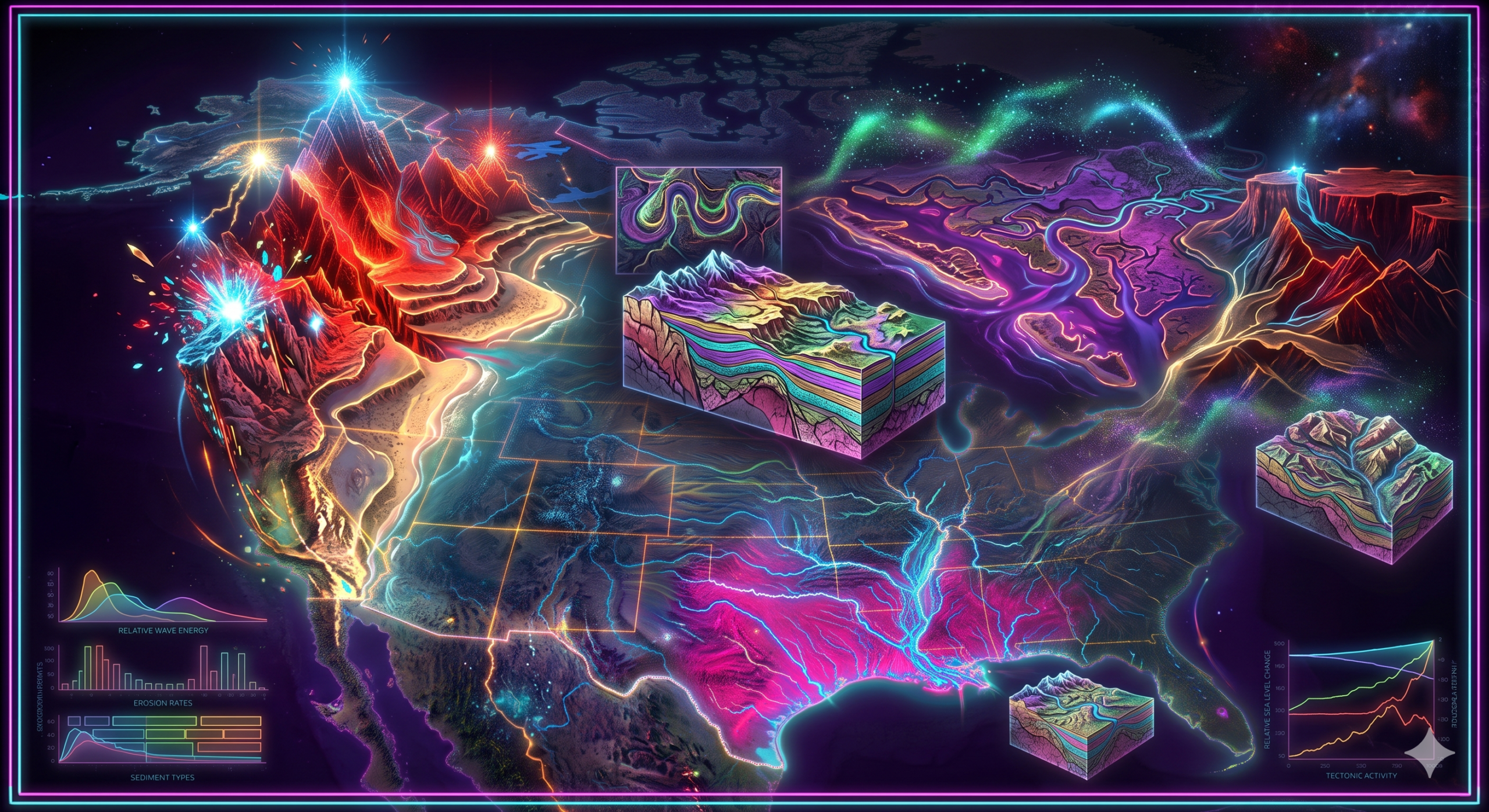
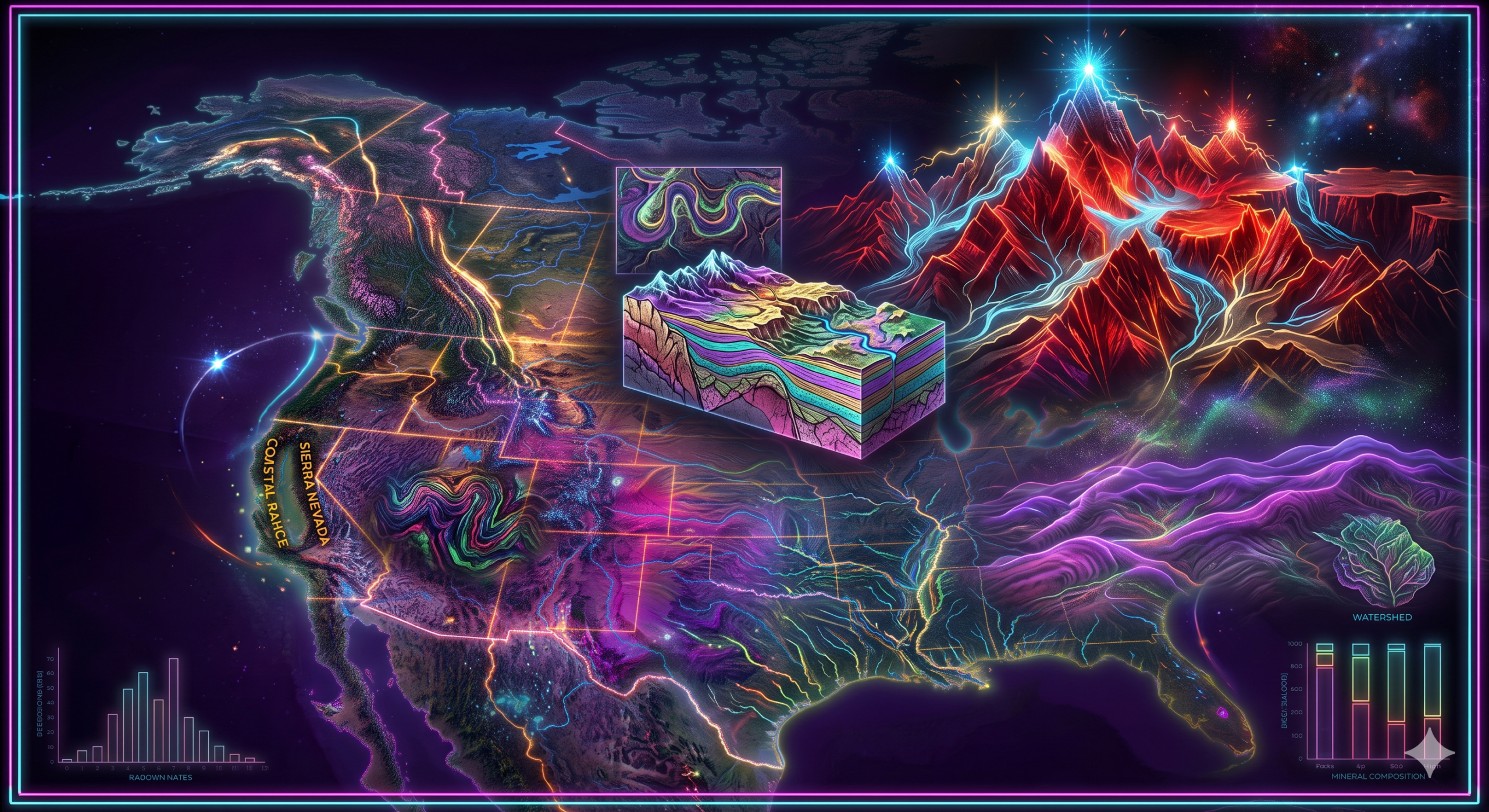
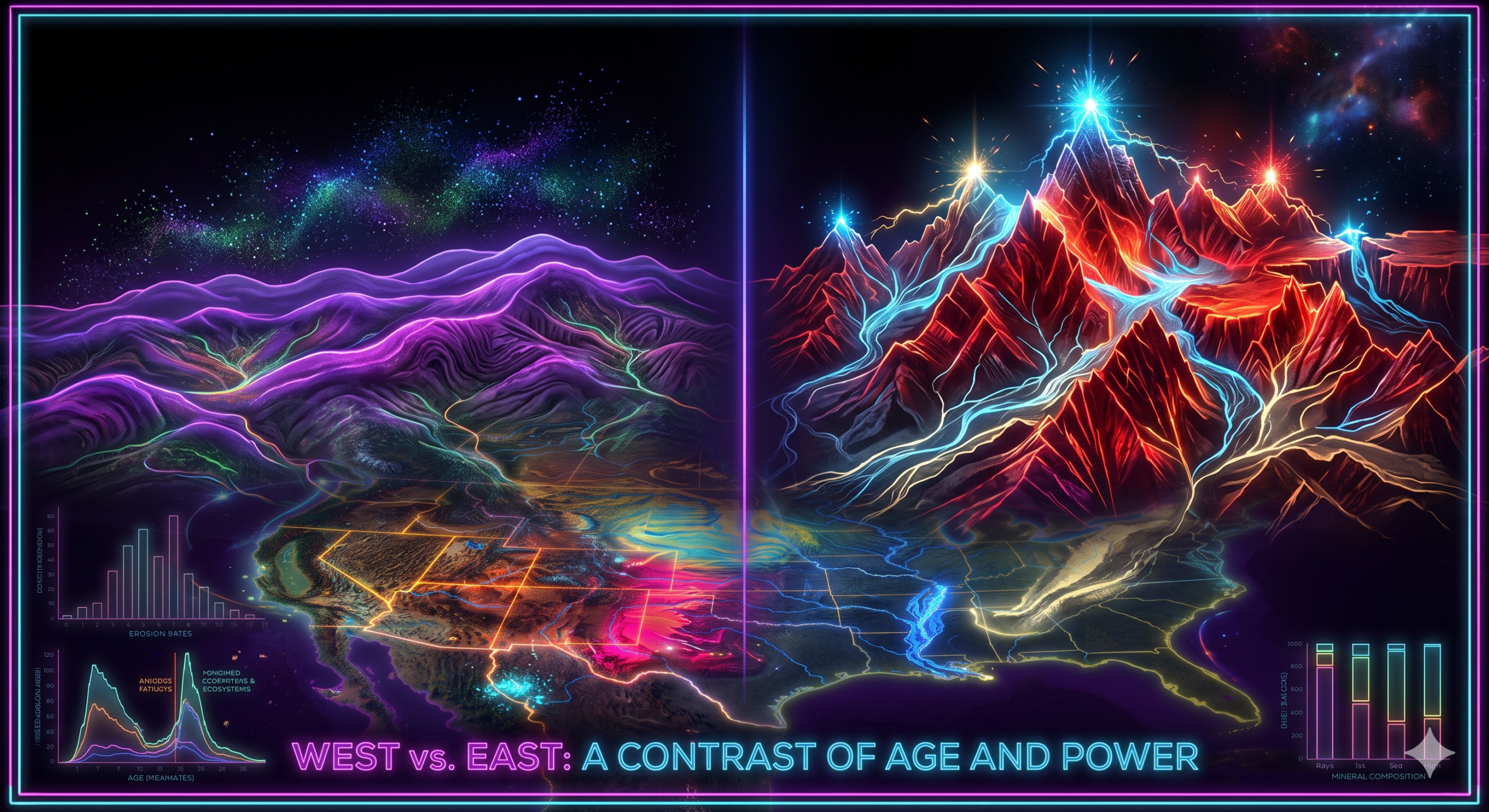
The United States is one of the most geographically diverse countries in the world, stretching across a vast area from the Atlantic Ocean in the east to the Pacific Ocean in the west. Because of its enormous size and varied physical features, the country experiences a wide range of climatic conditions. The climate of the eastern United States differs significantly from that of the western United States in terms of temperature, precipitation, humidity, seasonal patterns, and weather systems.
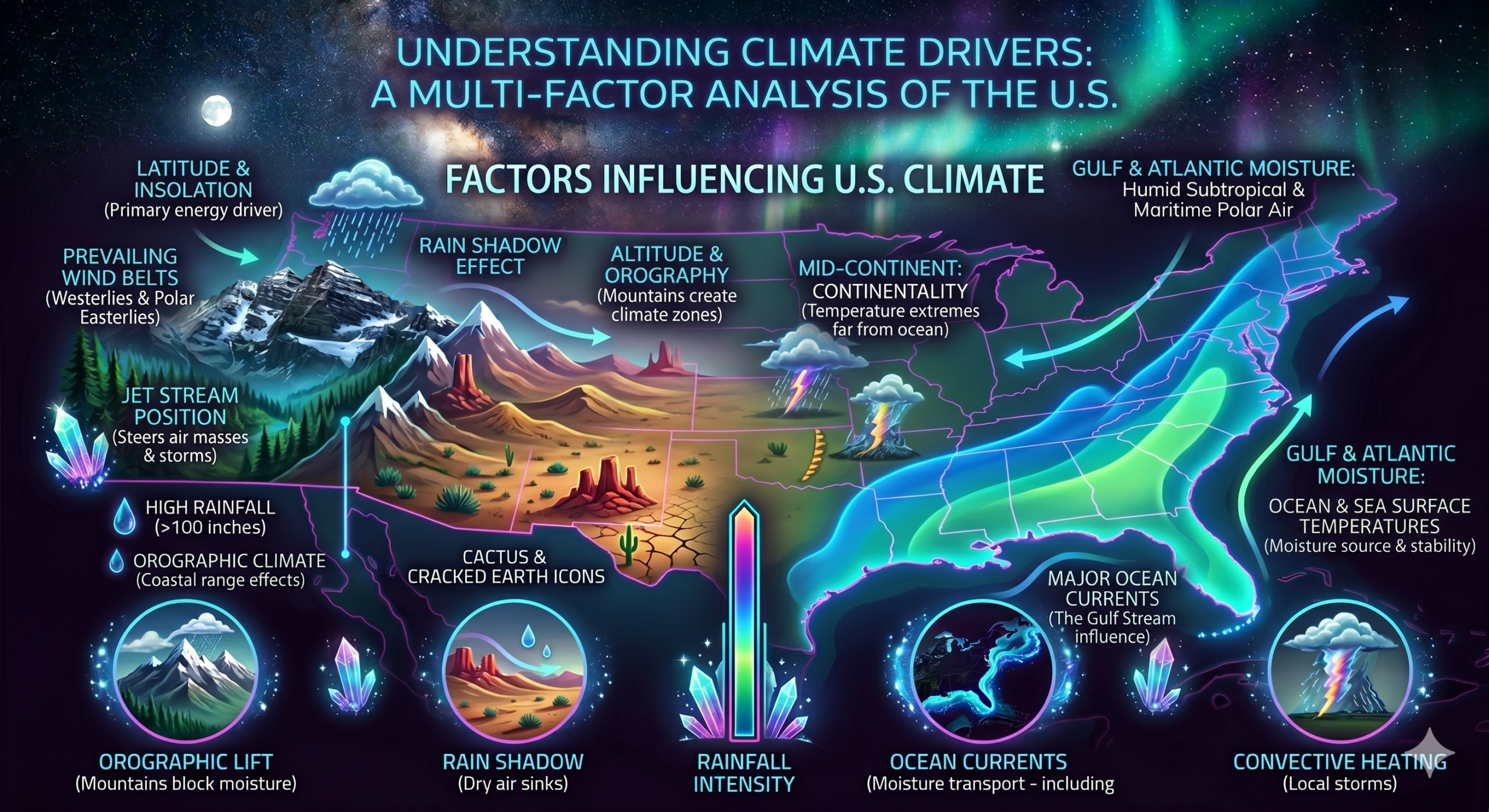
These climatic differences are influenced by several factors, including latitude, ocean currents, mountain ranges, prevailing winds, air masses, and proximity to large bodies of water. The eastern United States is generally characterized by humid conditions and abundant rainfall, while much of the western United States experiences drier climates with greater climatic diversity ranging from coastal Mediterranean conditions to deserts and alpine environments.
Understanding how climate varies across the United States is important for studying geography, environmental science, agriculture, ecosystems, and human settlement patterns. This article explores the major climatic differences between the eastern and western United States and explains the factors responsible for these variations.
Geographic Overview of the Eastern and Western United States
Before examining climatic differences, it is useful to understand the geographical characteristics of these two regions.
Eastern United States
The eastern United States extends from the Atlantic Coast westward toward the Mississippi River and includes regions such as:
- New England
- Mid-Atlantic States
- Southeastern States
- Appalachian Region
- Great Lakes Area
This region is heavily influenced by the Atlantic Ocean and the Gulf of Mexico.
Western United States
The western United States extends from the Great Plains to the Pacific Coast and includes:
- Rocky Mountains
- Sierra Nevada
- Cascade Range
- Pacific Coast
- Great Basin
- Southwestern Deserts
This region contains some of the highest mountains, driest deserts, and most varied landscapes in North America.
These geographic differences play a major role in creating contrasting climates.
Temperature Patterns
Eastern United States
The eastern United States generally experiences moderate to warm temperatures depending on latitude.
Northern areas such as Maine and New York have cold winters and warm summers.
Southern states such as Florida and Georgia experience mild winters and hot, humid summers.
Because moisture is abundant, temperatures often feel warmer in summer due to high humidity levels.
Western United States
Temperature patterns in the West vary more dramatically because of differences in elevation and geography.
Examples include:
- Mild coastal temperatures in California
- Hot desert temperatures in Arizona and Nevada
- Cold alpine conditions in the Rocky Mountains
- Cool marine climates in the Pacific Northwest
Elevation often has a stronger influence on western temperatures than latitude alone.
As a result, neighboring areas may experience very different climatic conditions.
Humidity Differences
One of the most noticeable contrasts between the East and West is humidity.
Eastern United States
The eastern United States is generally humid because of its proximity to:
- Atlantic Ocean
- Gulf of Mexico
- Great Lakes
Moist air masses frequently move inland, increasing humidity.
High humidity is especially common during summer months in southeastern states.
Western United States
Much of the western United States experiences lower humidity levels.
Large desert regions such as:
- Mojave Desert
- Sonoran Desert
- Great Basin Desert
contain very dry air.
Although coastal areas may experience marine moisture, much of the interior West remains relatively dry.
Rainfall Distribution
Eastern United States
Rainfall is generally abundant throughout the East.
Many eastern regions receive between 750 and 1,500 millimeters of precipitation annually.
Major sources of moisture include:
- Gulf of Mexico
- Atlantic Ocean
- Tropical weather systems
Rainfall occurs throughout the year in many locations.
Western United States
Precipitation varies greatly across the West.
Some coastal and mountainous areas receive significant rainfall, while desert regions receive very little.
Examples:
- Pacific Northwest: heavy rainfall
- California Coast: moderate rainfall
- Arizona and Nevada: limited rainfall
This variation makes the West one of the most climatically diverse regions in the country.
Seasonal Rainfall Patterns
East
In the eastern United States, rainfall is relatively evenly distributed throughout the year.
Sources include:
- Thunderstorms
- Frontal systems
- Tropical storms
- Hurricanes
This consistent precipitation supports forests, wetlands, and agriculture.
West
Rainfall patterns are often more seasonal.
California experiences a Mediterranean climate characterized by:
- Wet winters
- Dry summers
Desert regions may receive brief periods of rainfall associated with the North American Monsoon.
Many western areas experience long dry seasons.
Oceanic Influences
Atlantic Ocean and Gulf of Mexico
The eastern United States is strongly influenced by nearby warm water bodies.
The Atlantic Ocean and Gulf of Mexico:
- Supply atmospheric moisture
- Moderate coastal temperatures
- Support storm development
These influences contribute to the humid climate of the East.
Pacific Ocean
The Pacific Ocean influences western coastal climates.
Its effects include:
- Temperature moderation
- Marine fog
- Seasonal rainfall patterns
However, mountain barriers often limit the inland penetration of Pacific moisture.
Ocean Currents
Ocean currents significantly affect both regions.
Gulf Stream
The warm Gulf Stream flows along the Atlantic Coast.
Its effects include:
- Warmer coastal temperatures
- Increased humidity
- Enhanced precipitation
This current contributes to the relatively mild climate of the East Coast.
California Current
The California Current is a cold ocean current flowing southward along the Pacific Coast.
Its effects include:
- Cooler temperatures
- Reduced evaporation
- Lower humidity
The California Current contributes to the dry summer conditions of coastal California.
Influence of Mountain Ranges
Mountain systems are among the most important factors distinguishing western climate from eastern climate.
Eastern Mountains
The Appalachian Mountains are relatively low compared with western mountain ranges.
Because of their lower elevation, they do not significantly block moisture transport.
As a result, moist air can move freely across much of the East.
Western Mountains
Major western mountain systems include:
- Rocky Mountains
- Sierra Nevada
- Cascade Range
These mountains dramatically influence climate by:
- Blocking air masses
- Creating rain shadows
- Affecting storm tracks
The presence of these mountains contributes to much of the climatic diversity of the West.
Rain Shadow Effect
The rain shadow effect is particularly important in the western United States.
Formation
When moist Pacific air encounters mountain ranges:
- Air rises and cools.
- Moisture condenses and falls as precipitation.
- Air descends on the opposite side.
- Descending air becomes warmer and drier.
Consequences
This process creates dry conditions east of mountain ranges.
Many western deserts owe their existence to rain shadow effects.
The eastern United States experiences much less rain-shadow influence.
Storm Activity
Eastern United States
The East experiences a variety of storm systems.
Common weather events include:
- Thunderstorms
- Hurricanes
- Nor’easters
- Winter storms
Abundant moisture often intensifies these systems.
Western United States
Storm activity varies greatly by region.
The Pacific Northwest receives frequent winter storms.
Desert regions experience relatively few storms.
Mountain regions often receive heavy snowfall during winter.
Hurricanes and Tropical Systems
Eastern United States
The East, particularly the Southeast and Gulf Coast, is regularly affected by tropical storms and hurricanes.
These storms bring:
- Heavy rainfall
- Strong winds
- Flooding
They contribute significantly to annual precipitation totals.
Western United States
Hurricanes rarely affect the western mainland directly.
The cooler Pacific waters generally limit tropical cyclone development near the coast.
As a result, hurricane impacts are far less common in the West.
Snowfall Patterns
Eastern United States
Snowfall occurs mainly in northern states and mountainous areas.
The Great Lakes region often experiences:
- Lake-effect snow
- Heavy winter precipitation
The Northeast receives substantial snowfall during winter storms.
Western United States
Snowfall is strongly influenced by elevation.
Major snowfall areas include:
- Rocky Mountains
- Sierra Nevada
- Cascade Range
Some mountain regions receive enormous annual snow accumulations that serve as important water reservoirs.
Climate Regions of the East
Several major climate regions exist in the eastern United States.
Humid Continental Climate
Found in:
- New York
- Michigan
- Wisconsin
Characteristics:
- Cold winters
- Warm summers
- Moderate precipitation
Humid Subtropical Climate
Found in:
- Florida
- Georgia
- Alabama
- South Carolina
Characteristics:
- Hot summers
- Mild winters
- High humidity
- Abundant rainfall
Climate Regions of the West
The western United States contains several distinct climate zones.
Mediterranean Climate
Found in coastal California.
Characteristics:
- Dry summers
- Wet winters
Desert Climate
Found in:
- Arizona
- Nevada
- Southern California
Characteristics:
- Extremely low rainfall
- Hot temperatures
Marine West Coast Climate
Found in:
- Washington
- Oregon
Characteristics:
- Mild temperatures
- Frequent rainfall
Highland Climate
Found in mountain regions.
Characteristics:
- Cooler temperatures
- Significant snowfall
Effects on Vegetation
Climate differences produce distinct ecosystems.
Eastern United States
The East supports:
- Deciduous forests
- Mixed forests
- Wetlands
Abundant rainfall encourages dense vegetation.
Western United States
Vegetation varies widely.
Examples include:
- Coastal forests
- Desert shrubs
- Grasslands
- Alpine ecosystems
This diversity reflects the varied climates of the West.
Effects on Agriculture
Climate influences agricultural production.
East
Common crops include:
- Corn
- Soybeans
- Cotton
- Tobacco
- Fruits
Reliable rainfall supports extensive farming.
West
Agriculture often depends on irrigation.
Major products include:
- Fruits
- Vegetables
- Nuts
- Grapes
Water availability is a key concern in many western regions.
Climate Change and Regional Differences
Climate change is affecting both eastern and western climates.
Eastern Impacts
Potential effects include:
- Increased heavy rainfall
- Stronger hurricanes
- Rising temperatures
Western Impacts
Potential effects include:
- Increased drought
- Wildfires
- Reduced snowpack
- Water shortages
Climate change may intensify existing climatic contrasts between the East and West.
Conclusion
The climate of the eastern United States differs significantly from that of the western United States due to variations in geography, ocean influence, mountain barriers, atmospheric circulation, and moisture availability. The East is generally characterized by humid conditions, abundant rainfall, and moderate temperature variations, largely because of the influence of the Atlantic Ocean and Gulf of Mexico. In contrast, the West exhibits much greater climatic diversity, ranging from wet coastal climates to arid deserts and high mountain environments.
Mountain ranges such as the Rockies, Sierra Nevada, and Cascades play a crucial role in shaping western climates through the rain shadow effect, while the lower Appalachian Mountains allow moisture to spread across much of the East. Ocean currents, storm systems, and seasonal weather patterns further contribute to regional differences.
These climatic variations influence ecosystems, agriculture, water resources, population distribution, and economic activities across the country. Understanding the contrast between eastern and western climates provides valuable insight into the complex environmental systems that shape the United States.